

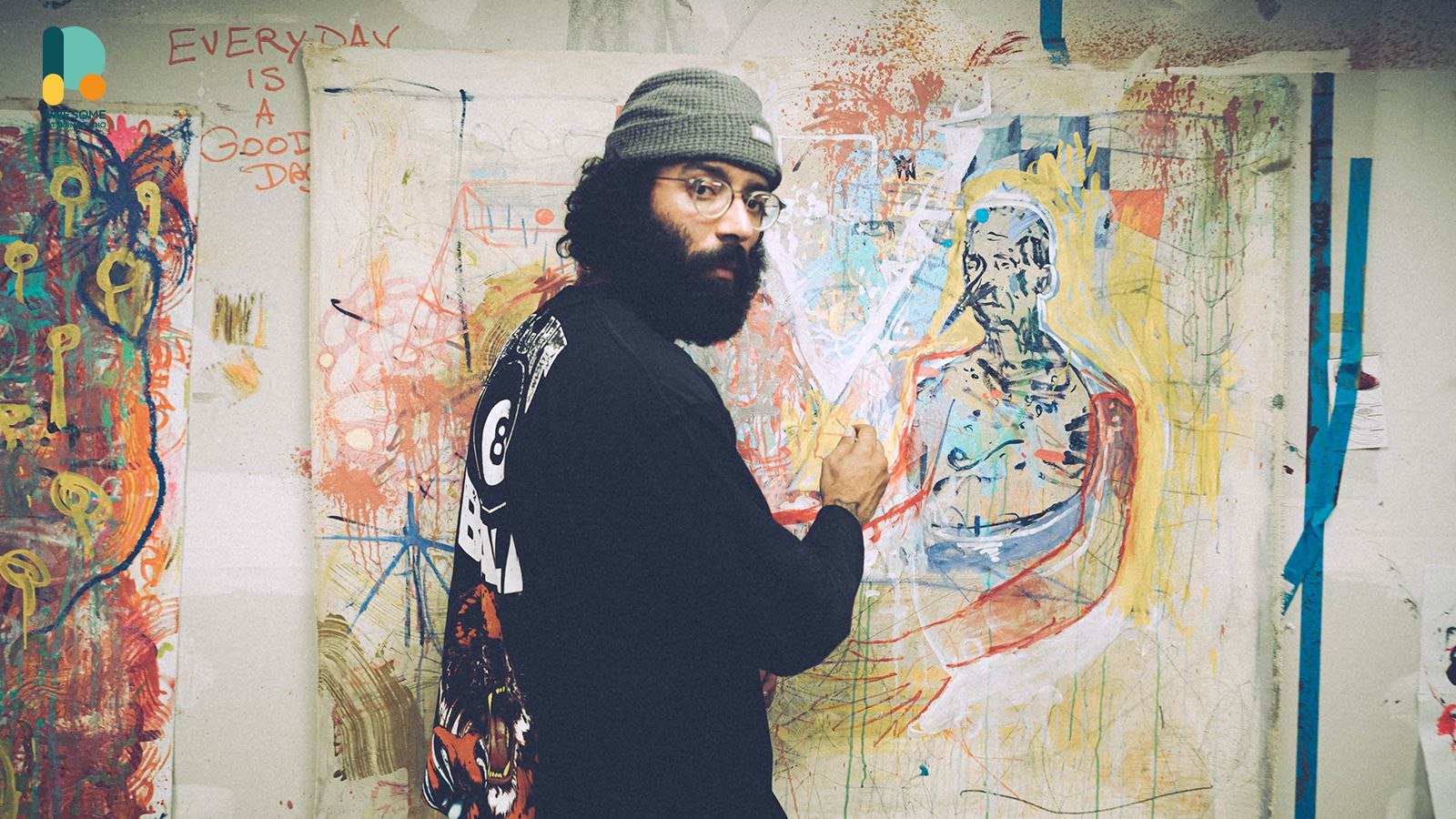
In this article, we will explore the profound relationship between creativity and mental health, discussing how they influence each other and the implications for individuals in various creative fields.
The Creative Mind: A Source of Inspiration. The minds of creative individuals are often a wellspring of inspiration. They possess the ability to see the world through a different lens, making connections and associations that others may overlook.
Creative minds thrive on imagination, originality, and divergent thinking. They have the remarkable capacity to break away from conventional patterns and generate new ideas that challenge the status quo.
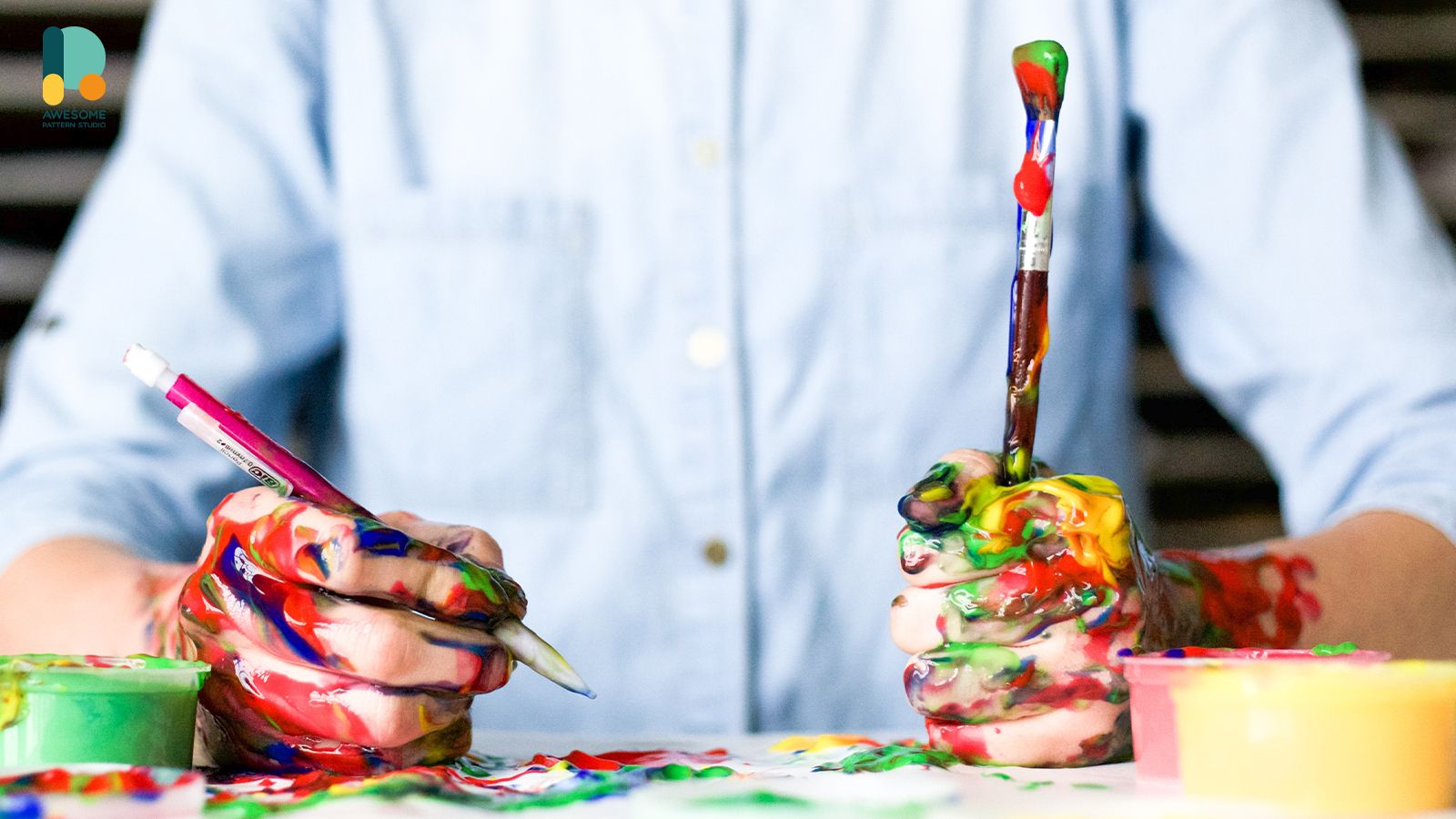
The Dark Side: Mental Health Challenges. While creativity can be a source of inspiration, it can also come with a darker side. Many studies have found a higher prevalence of mental health conditions among individuals in creative professions. It is not uncommon for creative individuals to grapple with depression, anxiety, bipolar disorder, or substance abuse issues.
Depression and the Creative Process. Depression often coexists with creativity. Artists, writers, and musicians have been known to experience periods of intense sadness and despair that fuel their creative output. The depth of emotions experienced during depressive episodes can provide a well of inspiration, enabling artists to create profoundly moving works that resonate with others.
Anxiety and Artistic Expression. Anxiety can both hinder and drive artistic expression. On one hand, anxiety can cause creative blockages and self-doubt, stifling the flow of ideas. On the other hand, anxiety can serve as a catalyst for intense productivity, as artists pour their energy into their work as a way to cope with their anxious thoughts and feelings.
Bipolar Disorder: The Ups and Downs of Creativity. Bipolar disorder, characterized by extreme mood swings between manic and depressive states, has been associated with heightened creativity. During manic episodes, individuals may experience an influx of ideas, increased energy, and heightened productivity. However, the downside of bipolar disorder is the depressive phase, which can lead to emotional turmoil and artistic stagnation.
Substance Abuse and Creative Geniuses. Substance abuse issues have plagued numerous creative geniuses throughout history. Some individuals turn to drugs or alcohol as a means to enhance their creative abilities or cope with the pressures of their profession. While substances may temporarily fuel creativity, they often come at a high cost to mental and physical well-being.
The Healing Power of Creativity. Despite the challenges that creative individuals face, their artistry can also be a powerful tool for healing and self-discovery. Engaging in creative endeavors has been shown to have therapeutic effects and contribute to improved mental well-being.
Therapeutic Effects of Artistic Expression. Artistic expression, whether through painting, writing, or other creative mediums, allows individuals to externalize their thoughts and emotions. It provides a safe space for self-reflection, catharsis, and personal growth. Engaging in the creative process can be deeply fulfilling and contribute to a sense of purpose and meaning in life.
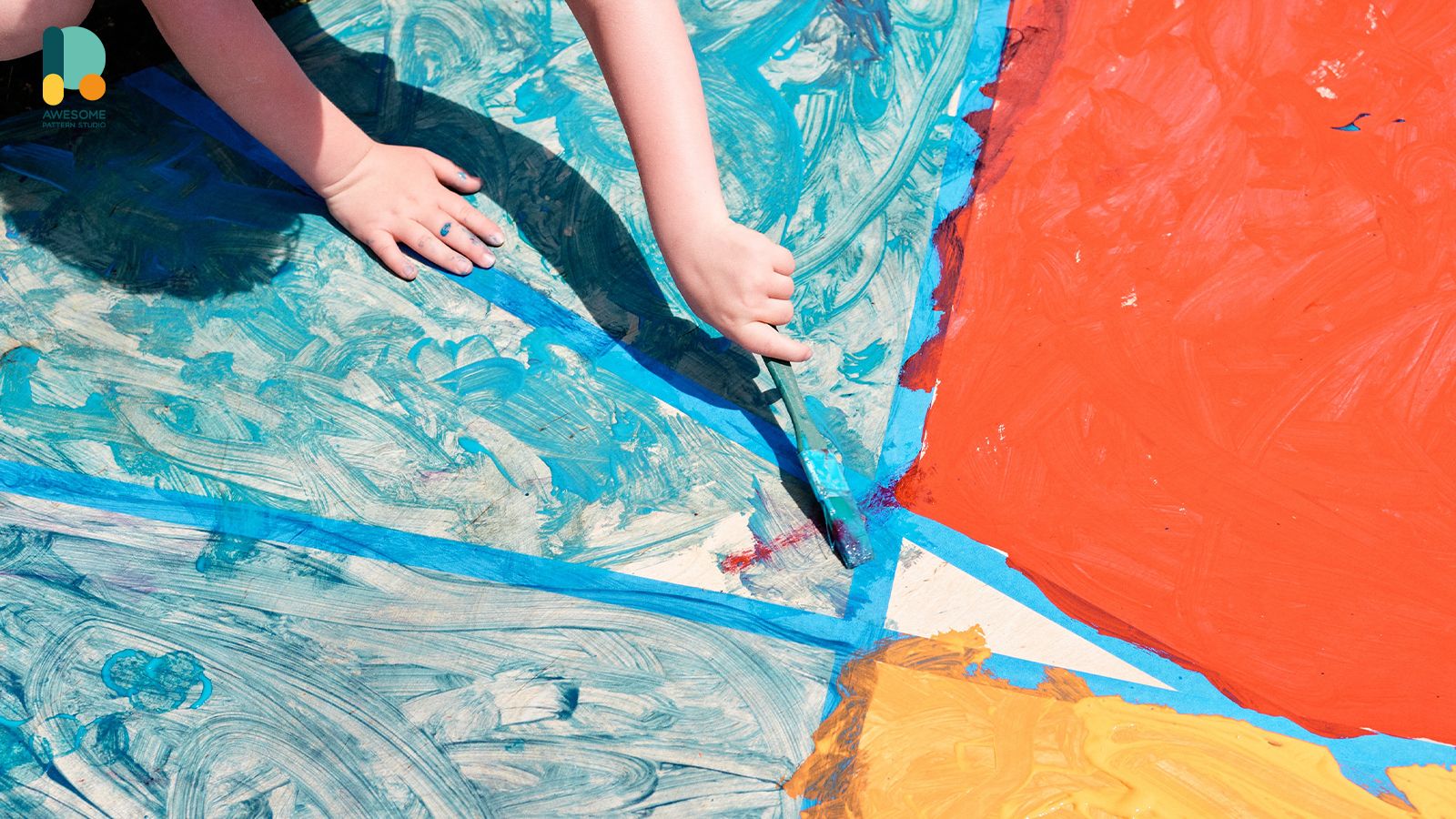
Creative Outlets and Stress Reduction. Creative outlets serve as a form of stress reduction for many individuals. The act of immersing oneself in a creative task can promote relaxation, mindfulness, and a temporary escape from daily stressors. Engaging in creative activities helps redirect energy and focus, allowing individuals to experience a sense of flow and immersion.
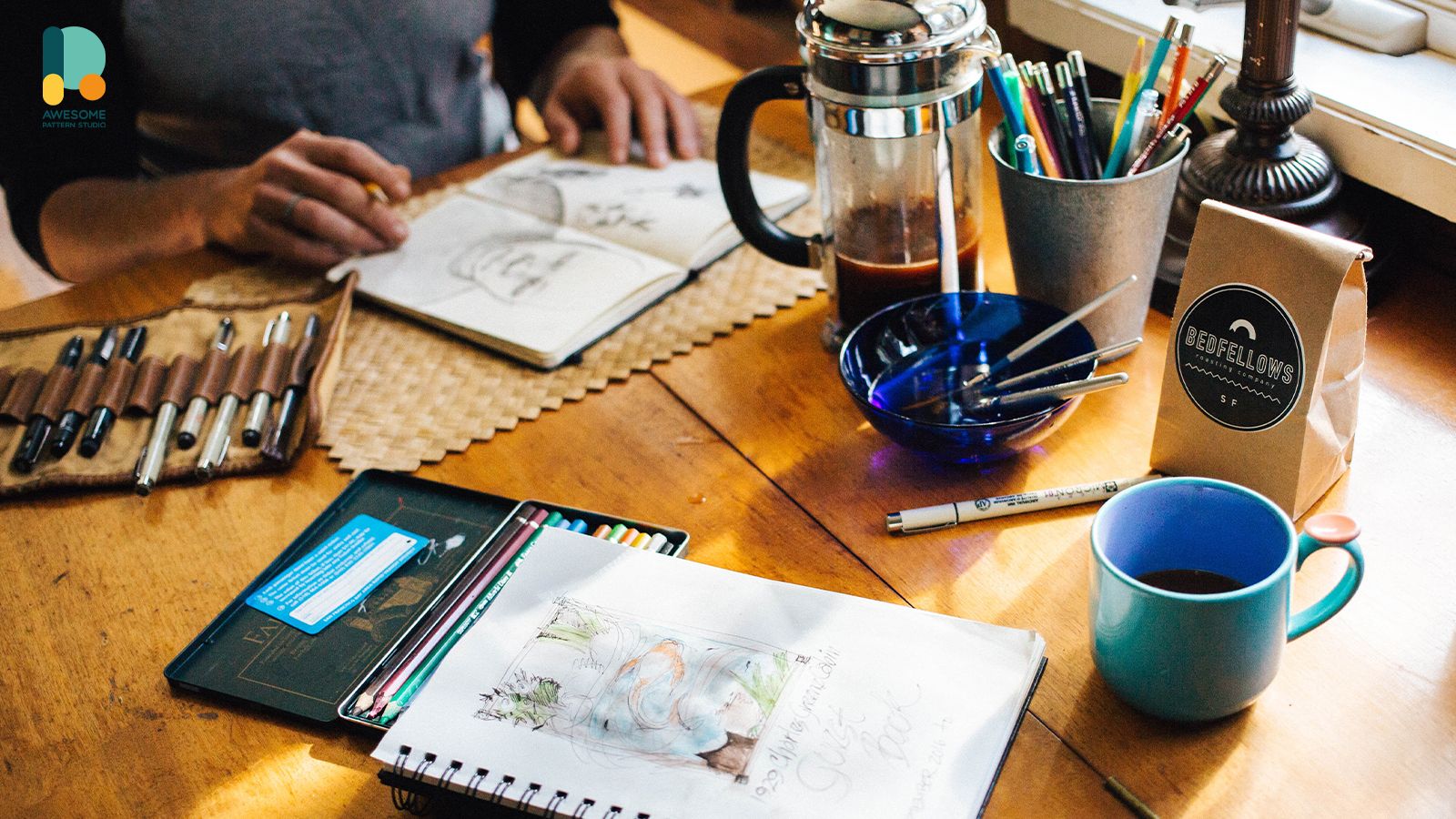
Art Therapy: Nurturing Mental Well-being. Art therapy is a specialized form of therapy that utilizes creative processes to promote emotional healing, self-expression, and personal development. It is often employed in clinical settings to assist individuals in coping with trauma, managing anxiety, and enhancing self-esteem. Art therapy offers a nonverbal means of communication, allowing individuals to convey complex emotions that words alone may not capture.
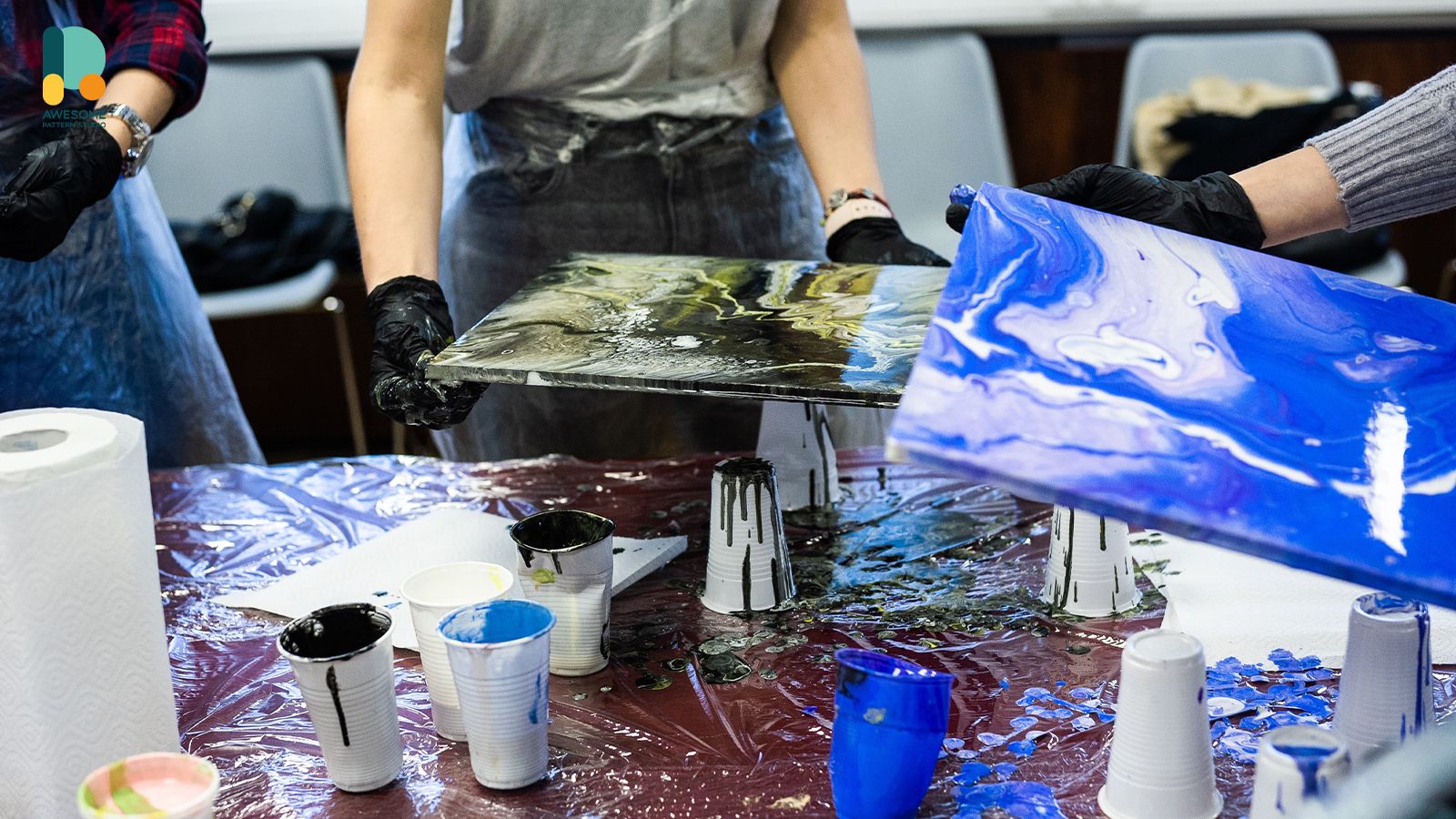
Cultivating Creativity and Mental Health. To nurture both creativity and mental health, it is essential for individuals in creative fields to adopt certain strategies and practices.
Balancing Structure and Freedom. Finding a balance between structure and freedom is crucial for creative individuals. While structure provides a framework for productivity and focus, allowing for goal setting and planning, too much rigidity can stifle creativity. Allowing room for spontaneous exploration and unstructured play can fuel inspiration and innovation.
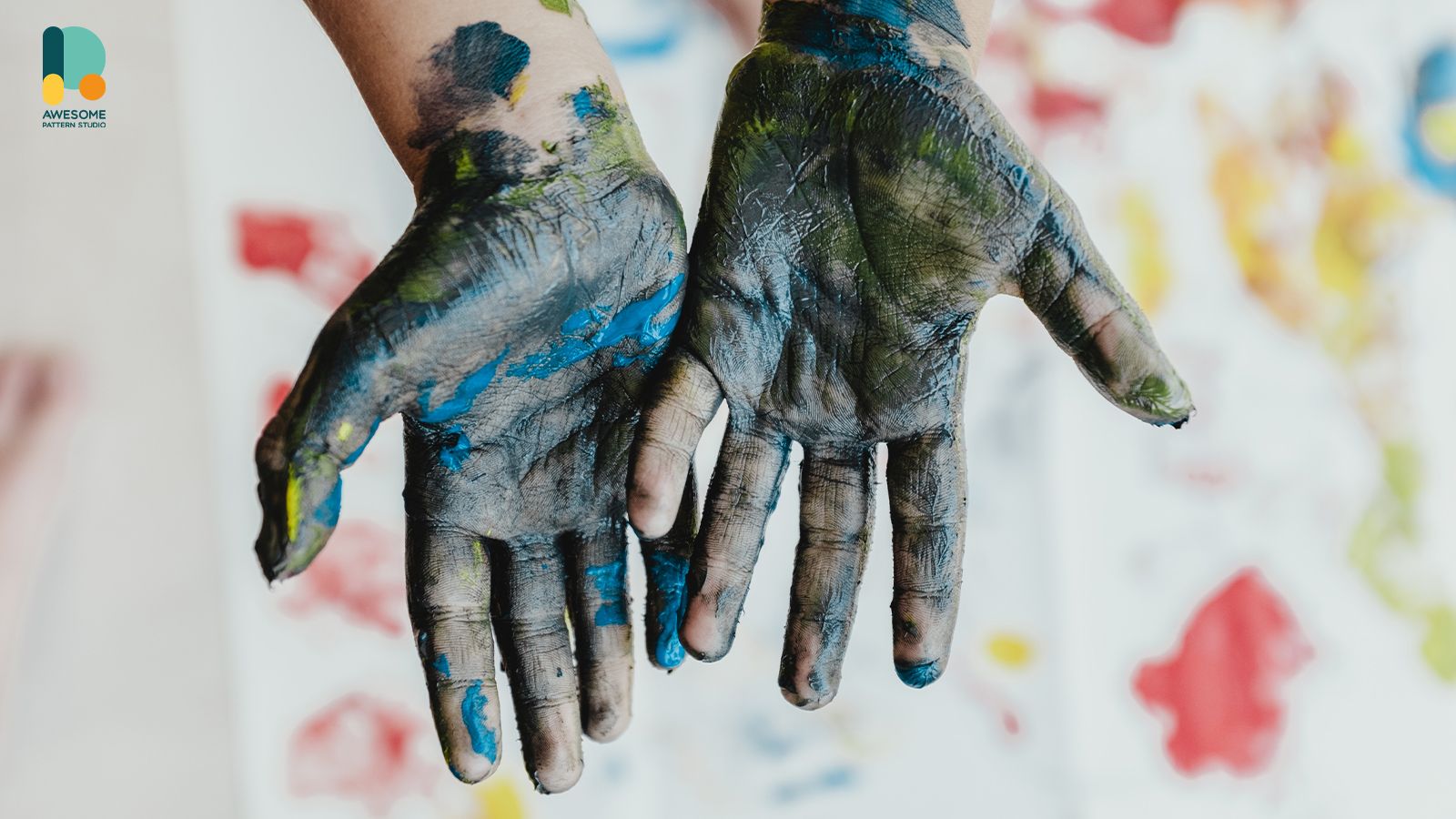
Seeking Support and Connection. Creative individuals benefit from seeking support and building connections with others in their field. Collaborating with like-minded individuals, receiving feedback, and sharing experiences can provide valuable insights and a sense of community. Connecting with others who understand the unique challenges and joys of the creative process can help alleviate feelings of isolation.
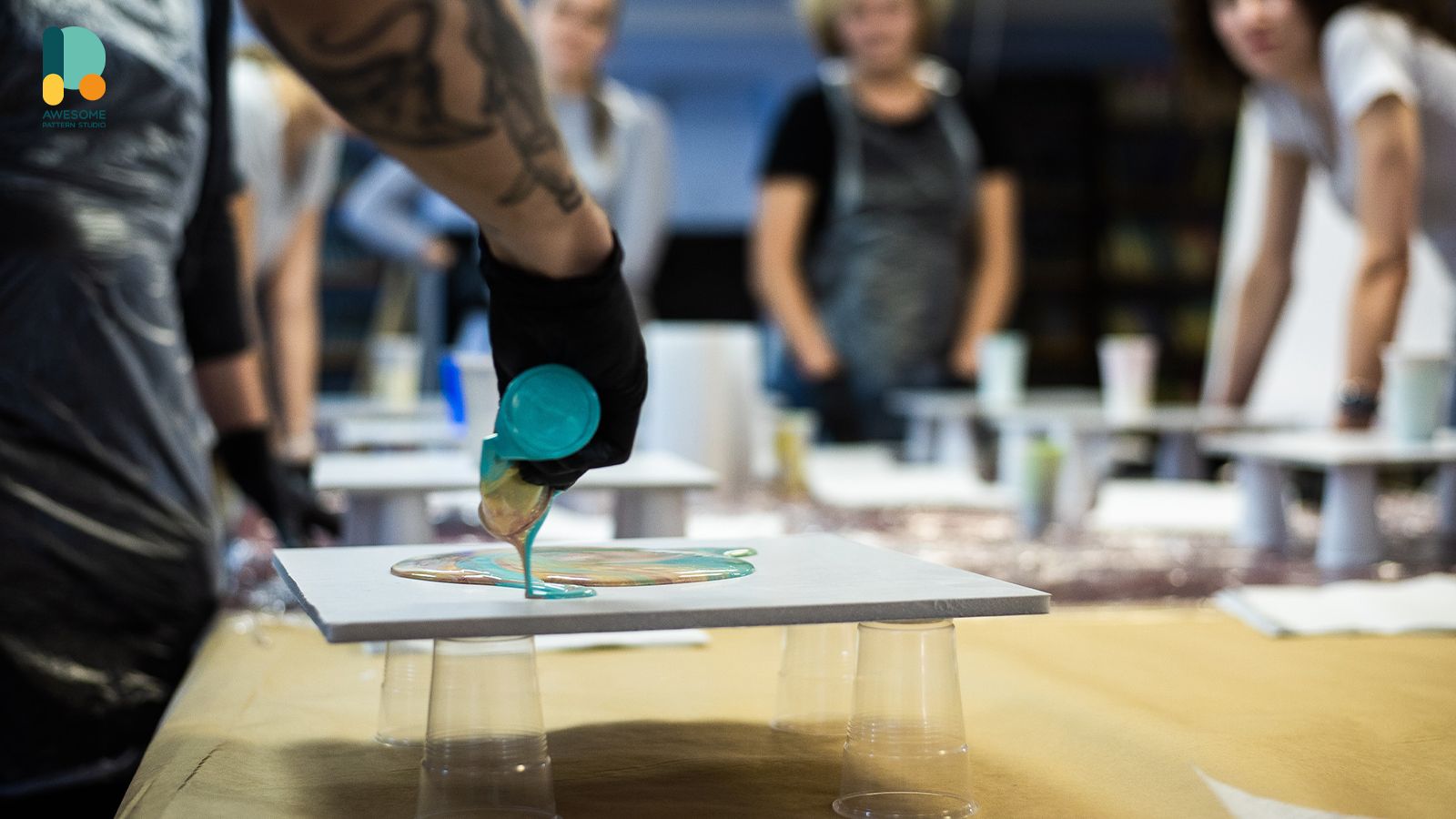
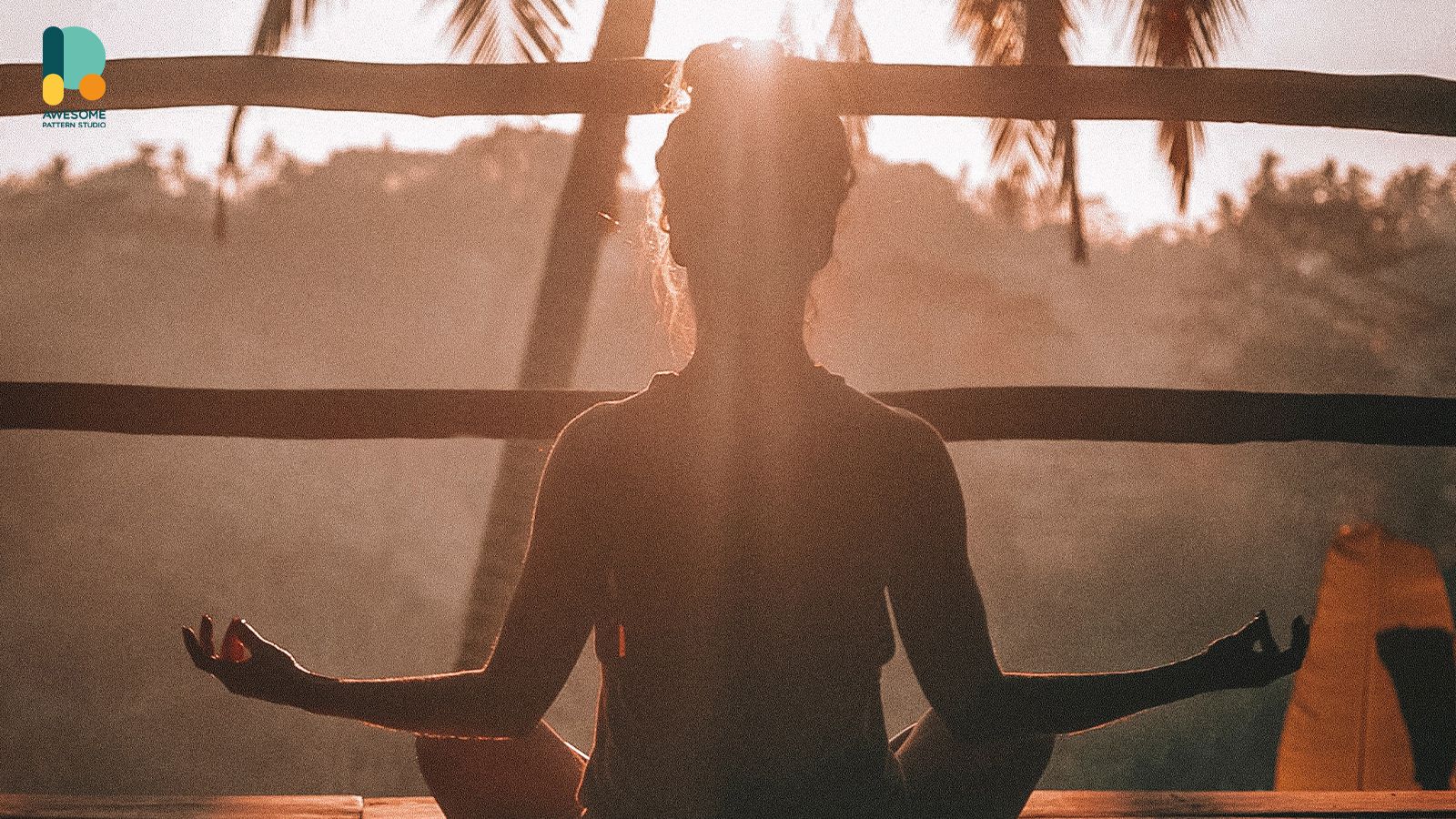
Self-Care for Creative Individuals. Prioritizing self-care is essential for maintaining both mental and creative well-being. Engaging in activities that promote relaxation, such as meditation, exercise, and adequate sleep, can help replenish creative energy. Taking breaks and setting boundaries to avoid burnout is equally important.
Embracing Vulnerability: The Courage to Create. Creativity often requires individuals to step outside their comfort zones and embrace vulnerability. Taking risks, sharing personal stories, and expressing genuine emotions can lead to authentic and compelling creative work. Embracing vulnerability allows for deeper connections with audiences and fosters personal growth.
The connection between creativity and mental health is a complex and multifaceted one. While creative individuals may face unique challenges, their ability to channel their thoughts and emotions into artistic expression can serve as a source of healing and personal growth. By understanding and nurturing this connection, we can create an environment that supports both creativity and mental well-being.