


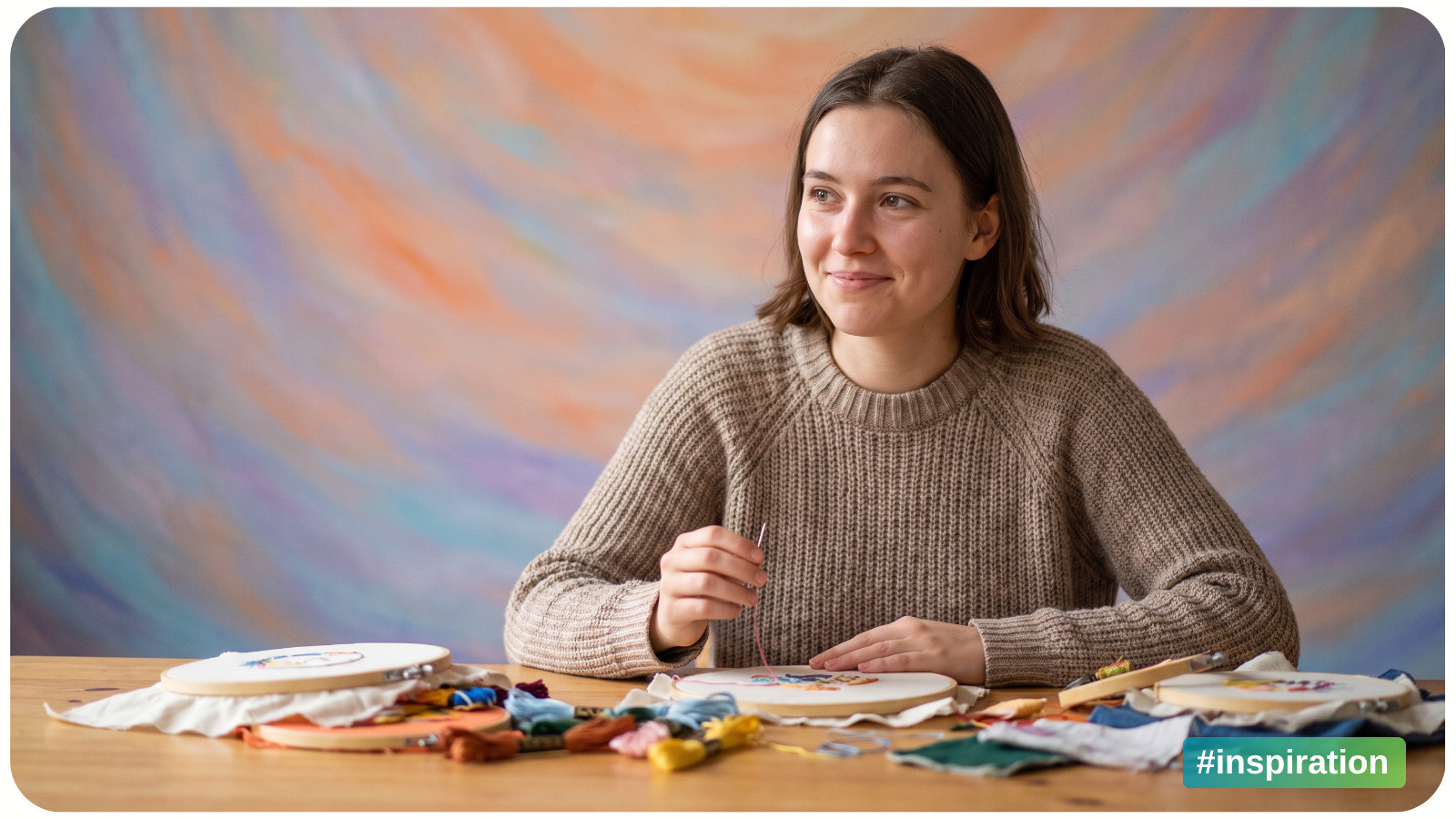
Starting a new craft should feel exciting, but for many beginners, it feels intimidating instead.
You may scroll through perfectly styled DIY projects and assume crafting requires natural talent, a dedicated studio, or a closet full of expensive supplies. Perhaps you have tried one project that did not turn out as planned and decided you simply were not “a crafty person.”
These beliefs can stop you before you have the chance to discover what you enjoy.
The truth is that crafting is not about producing flawless results. It is about experimenting, learning, relaxing, and making something with your own hands. Whether you are interested in painting, crochet, paper crafts, jewelry making, seasonal decor, or simple upcycling projects, there is an approachable way to begin.
Let’s clear up seven common crafting myths that keep beginners from getting started.
1. MYTH: YOU HAVE TO BE NATURALLY CREATIVE
One of the biggest crafting myths is that creativity is something you either have or you do not.
In reality, creativity grows through practice. Most experienced makers did not begin with completely original ideas. They followed tutorials, copied basic techniques, tested different materials, and gradually developed their own preferences.
Beginners do not need to invent something new. You can start by:
- Following a step-by-step tutorial;
- Recreating a project in colors you love;
- Using a beginner craft kit;
- Making a simple version of something you saw online.
Following instructions does not make your project less creative. Each decision you make – from the colors you choose to the materials you use – adds a personal touch.
Try this: Choose one beginner-friendly project and change only one detail, such as the color, pattern, ribbon, or wording. Small choices are an easy way to build creative confidence.
2. MYTH: CRAFTING SUPPLIES ARE TOO EXPENSIVE

Craft stores can be inspiring, but they can also make beginners feel as though they need to buy everything at once.
You do not need a professional cutting machine, dozens of paint colors, or an entire set of specialized tools to start crafting. Many beginner projects can be completed with basic materials you may already have at home.
Affordable supplies can include:
- Cardboard from shipping boxes;
- Glass jars;
- Scrap paper;
- Fabric remnants;
- Yarn leftovers;
- Paper bags;
- Old picture frames;
- Buttons, ribbon, and twine.
Dollar stores, thrift shops, clearance sections, and neighborhood swap groups can also be useful places to find inexpensive craft materials.
The key is to choose a project first and buy only what that project requires. Purchasing supplies without a plan often leads to overspending and clutter.
Try this: Set a small first-project budget, such as $10 or $15. A clear limit can make crafting feel more accessible and help you choose a manageable project.
3. MYTH: YOUR FIRST PROJECT SHOULD LOOK PERFECT
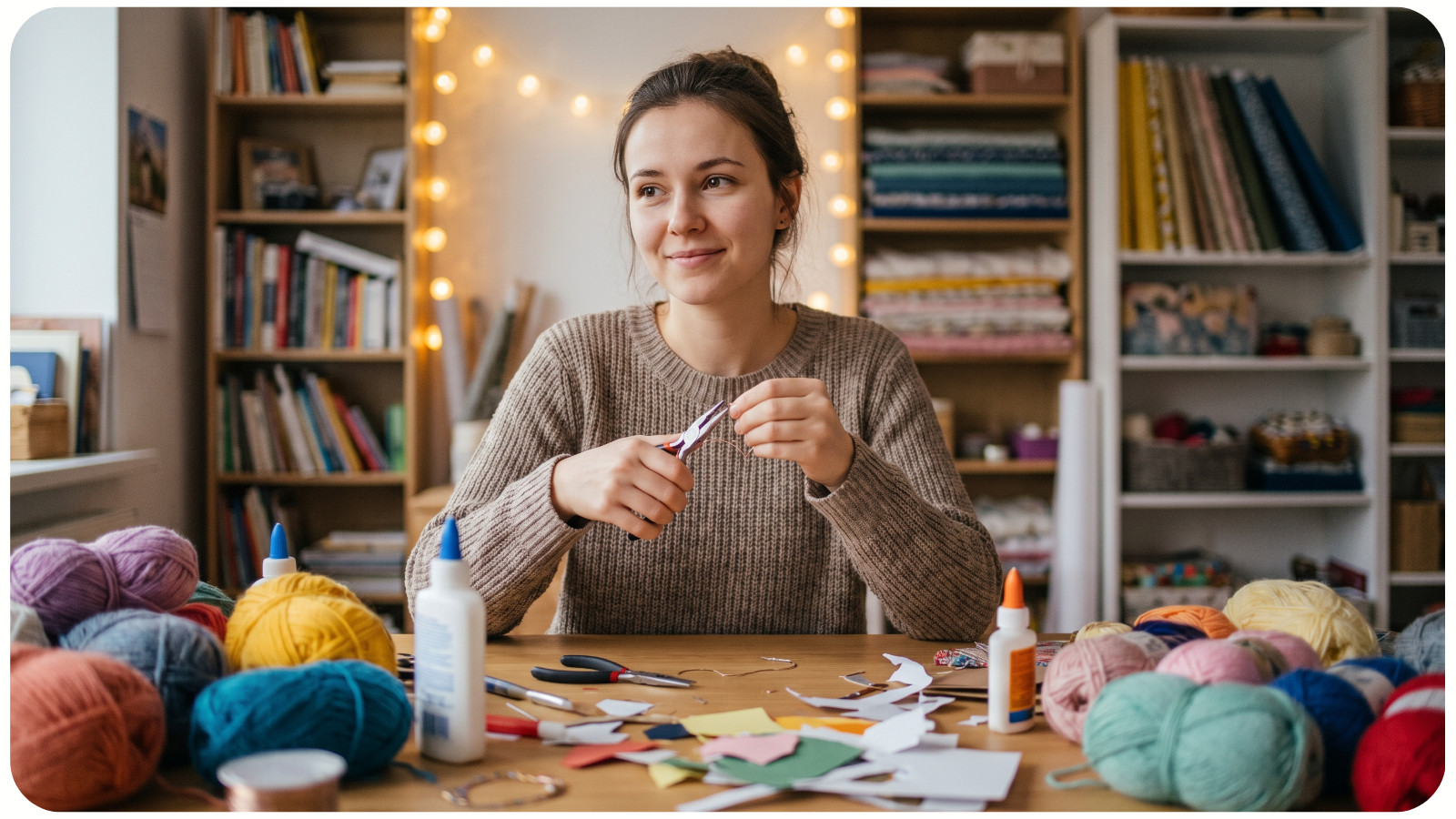
Online craft photos usually show the best version of a project. They do not always show the crooked cuts, spilled paint, tangled yarn, or failed attempts that happened along the way.
Comparing your first project to someone else’s fiftieth project can quickly drain the fun from crafting.
Your first attempt is supposed to teach you something. It may help you understand how much glue to use, how paint behaves on different surfaces, or why measuring twice really does matter. Those lessons are part of the process.
A handmade project can be meaningful even when it is not flawless. Slight variations often give crafts the character that mass-produced items lack.
Instead of asking, “Does this look perfect?” ask:
- Did I learn a new skill?
- Did I enjoy making it?
- What would I do differently next time?
- Is there one part of the project I am proud of?
Progress is a much better goal than perfection.
Try this: Take a photo of your first project. After completing several more, compare them. Seeing your improvement can be surprisingly motivating.
4. MYTH: YOU NEED A DEDICATED CRAFT ROOM
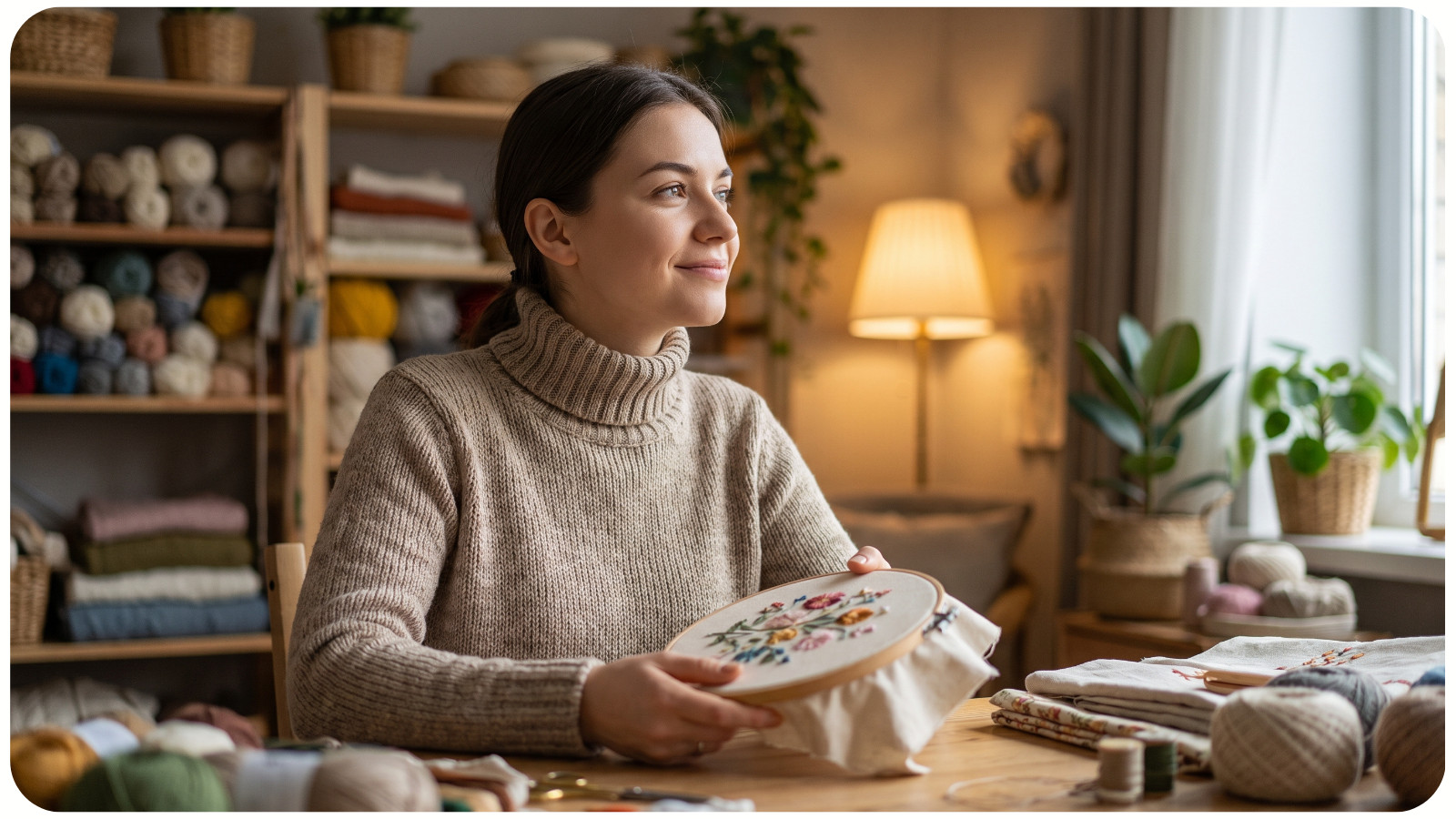
Beautiful craft rooms are fun to admire, but they are not a requirement.
Many people create at kitchen tables, coffee tables, desks, folding trays, or small corners of their homes. What matters is having enough space for the project in front of you – not having an entire room filled with supplies.
A beginner craft setup might include:
- One portable storage bin;
- A small container for tools;
- A washable table covering;
- A tray that can be moved when needed;
- A zippered pouch for small supplies.
Portable storage can actually be helpful because it encourages you to keep your collection focused and organized.
Choose crafts that fit your available space. Paper crafts, embroidery, hand sewing, beading, watercolor, and air-dry clay projects can all work well in small homes or apartments.
Try this: Create a “craft box” containing only the materials for your current project. When you are finished, everything can be packed away in minutes.
5. MYTH: CRAFTING TAKES TOO MUCH TIME
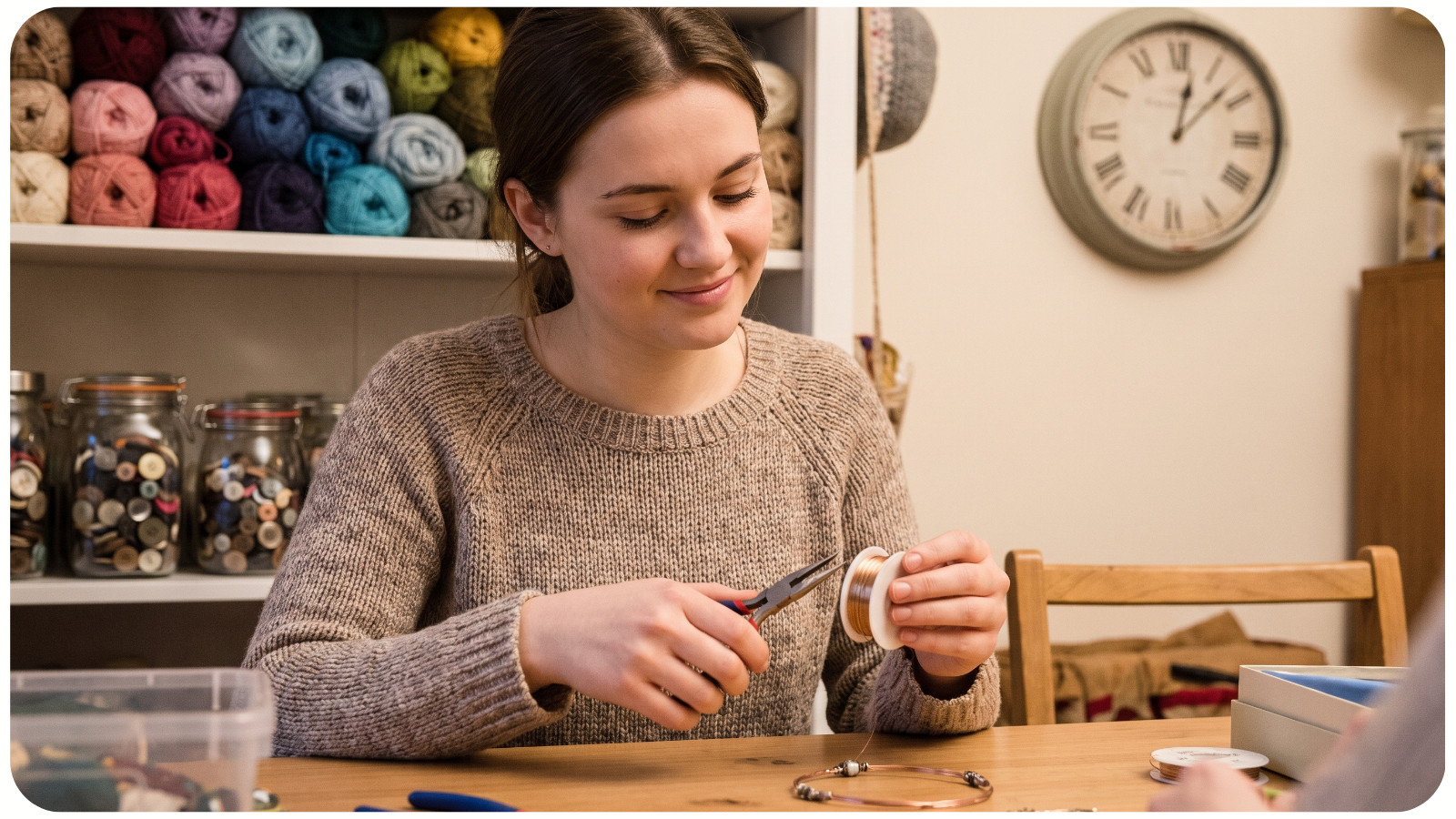
Some handmade projects take days or weeks, but many do not.
Crafting does not have to become a major weekend commitment. A simple project can fit into a lunch break, a quiet evening, or a short period after the kids go to bed.
Beginner-friendly projects that can often be completed quickly include:
- Decorating a greeting card;
- Painting a small flowerpot;
- Making a beaded keychain;
- Creating a simple seasonal garland;
- Personalizing a picture frame;
- Decorating a mason jar;
- Making a no-sew fabric project.
You can also divide a larger project into short sessions. Spend 15 minutes gathering supplies one day, preparing materials the next day, and assembling the project later.
Small creative sessions still count. In fact, they may feel easier to maintain than waiting for a completely free afternoon.
Try this: Set a 20-minute timer and work on one small step. You may be surprised by how much you can accomplish without feeling overwhelmed.
6. MYTH: YOU NEED TO LEARN EVERY TECHNIQUE FIRST
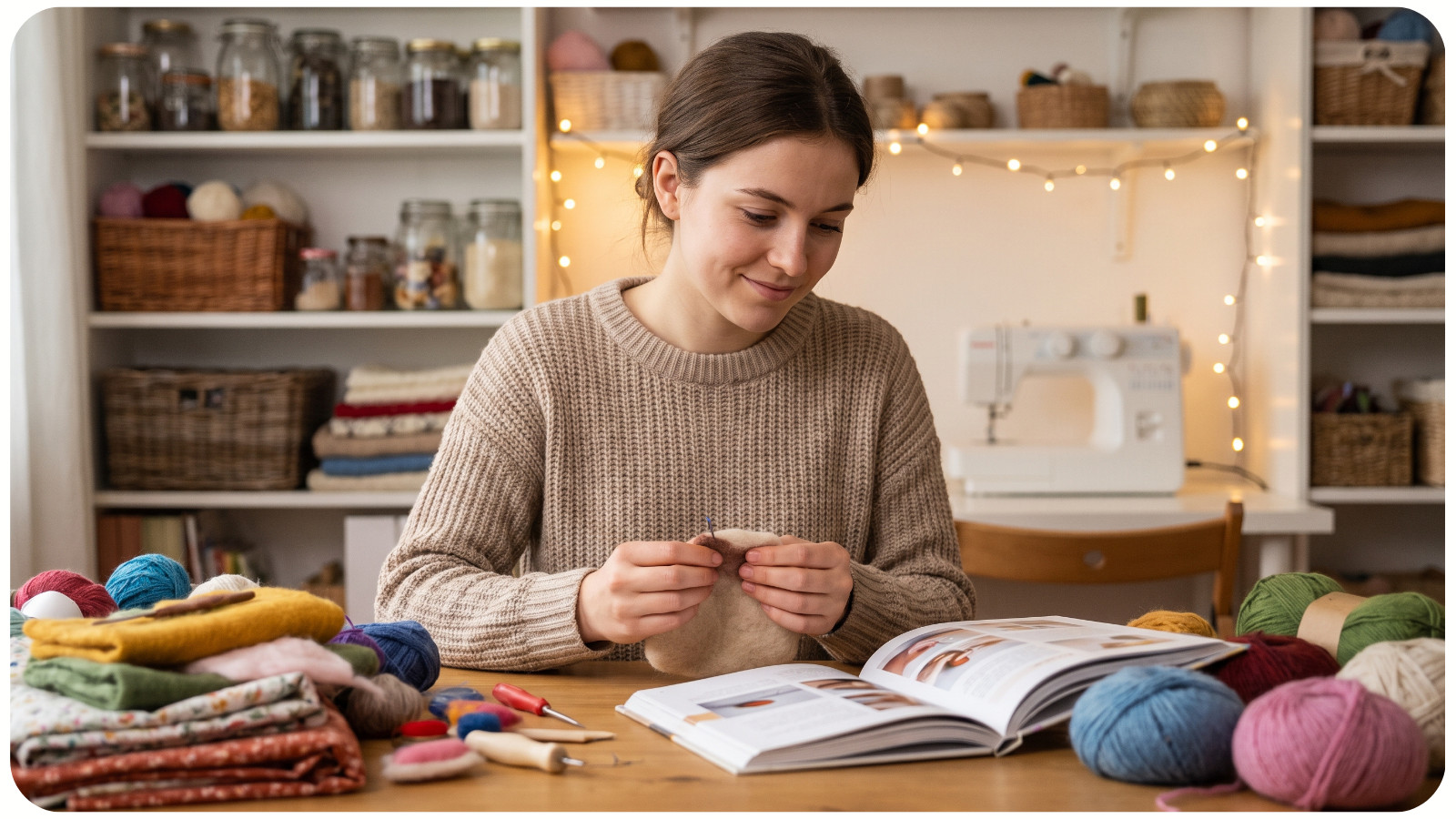
Beginners sometimes spend so much time researching that they never actually begin.
You do not need to understand every tool, material, or technique before starting a craft. You only need enough information to complete the next step safely and confidently.
For example, you do not need to learn every crochet stitch before making a simple chain. You do not need to understand advanced color theory before painting a wooden sign. You do not need to master sewing before trying a small hand-stitched project.
Choose one simple skill and practice it through a real project. Learning becomes easier when you have a specific goal.
Look for tutorials labeled:
- Beginner;
- Easy;
- No special tools;
- Under 30 minutes;
- Step-by-step;
- One-skein, one-sheet, or one-supply projects.
Avoid starting with a project that requires multiple unfamiliar techniques. Early success can build the confidence you need to try something more challenging later.
Try this: Before beginning, identify the single new skill the project will teach you. Keep the rest of the project as simple as possible.
7. MYTH: CRAFTING IS ONLY WORTHWHILE IF YOU CAN SELL OR GIFT IT
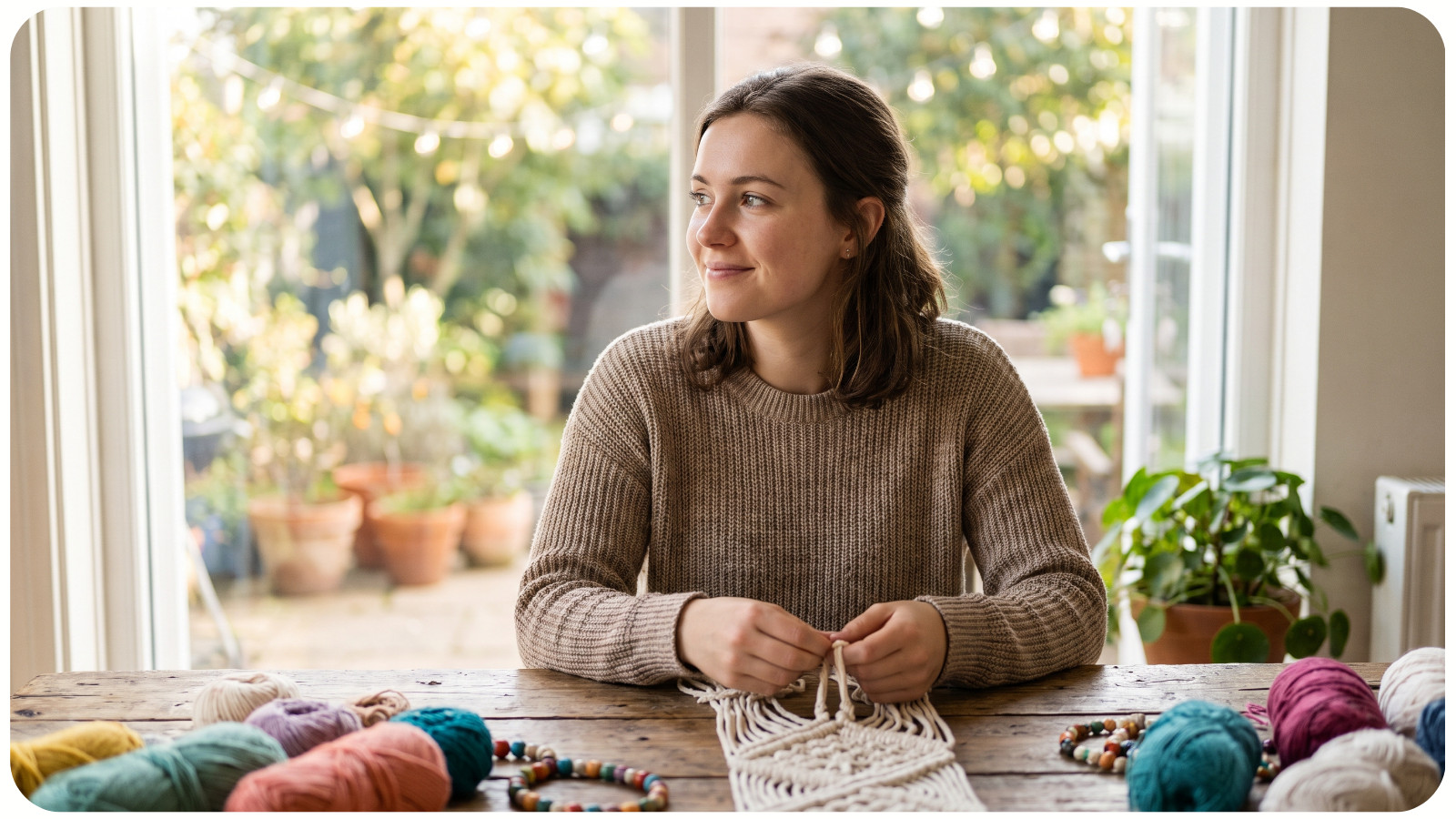
Not every hobby needs to become a business, side hustle, or gift-making obligation. Crafting can be valuable simply because you enjoy it.
The process may help you relax, take a break from screens, explore color, practice patience, or create something that makes your home feel more personal. A project does not have to be useful, profitable, or impressive to be worth your time.
Turning a hobby into a business can be rewarding for some people, but it also introduces deadlines, pricing decisions, customer expectations, and production pressure. Beginners are allowed to create without thinking about whether anyone would buy the finished piece.
Make something because:
- You like the materials;
- You want to try a new technique;
- The activity helps you unwind;
- The project makes you smile;
- You are curious about what you can create.
Enjoyment is a valid result.
Try this: Make one small project that you do not plan to sell, gift, or post online. Keep it for yourself as a reminder that creativity does not need outside approval.
HOW TO START CRAFTING WITHOUT FEELING OVERWHELMED
The easiest way to begin is to make your first project as simple as possible.
Choose one craft that genuinely interests you. Find a clear beginner tutorial, gather only the essential supplies, and give yourself permission to learn as you go.
Your first project does not need to become home decor you display forever. It does not need to earn compliments or look exactly like the tutorial. Its main purpose is to help you begin.
A helpful first-project formula is: One simple idea + a few affordable supplies + one new skill
That might mean painting a terracotta pot, making a paper garland, decorating a plain tote bag, or creating a small piece of wall art.
Once you finish, notice what you enjoyed. Did you like working with color? Did you enjoy the repetitive process? Would you prefer a faster project or something more detailed? Your answers can guide you toward the next craft to try.
CONCLUSION
The biggest barrier to crafting is often not a lack of talent, time, money, or space. It is the belief that you must be fully prepared before you begin.
You do not need to be naturally artistic. You do not need expensive equipment or perfect results. You only need a project that feels approachable and a willingness to experiment.
Start small, expect to make mistakes, and focus on the experience rather than the outcome. Every confident crafter was once a beginner holding unfamiliar supplies and wondering what to do next.
Choose one simple project, gather what you need, and make something today. Your creative journey can begin before you feel completely ready.