
You are in Wholesale Mode

HANDMADE CERAMICS: TECHNIQUES AND INSPIRATION

When it comes to artistic expression, handmade ceramics have a unique charm that captivates both creators and admirers alike. The delicate craftsmanship, tactile textures, and intricate designs make handmade ceramics a truly special art form. In this article, we will explore the techniques behind creating these beautiful pieces and seek inspiration from the world of handmade ceramics.
HANDMADE CERAMICS: TECHNIQUES AND INSPIRATION

THE BEAUTY OF HANDMADE CERAMICS


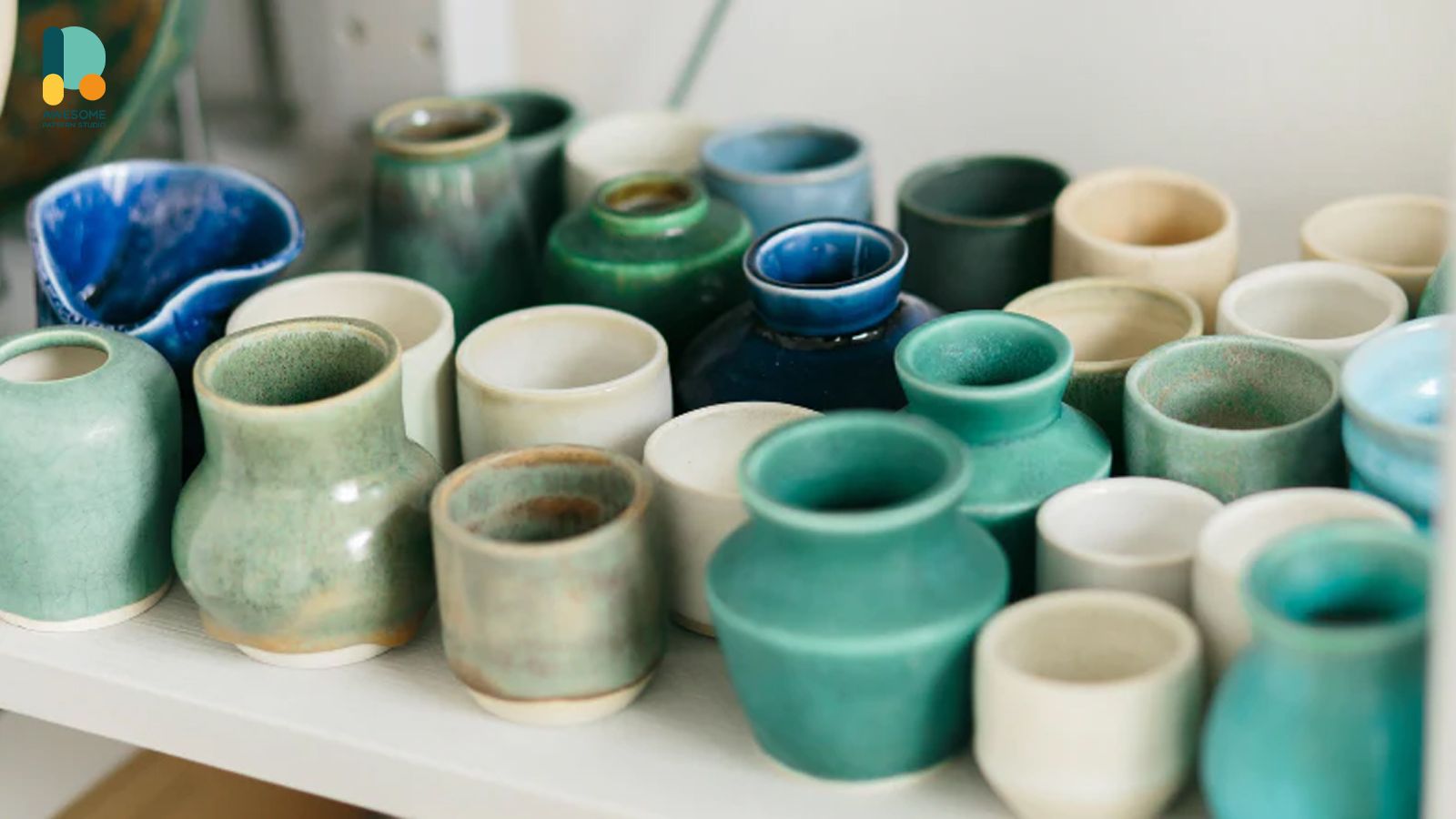
Handmade ceramics possess a unique allure that mass-produced items simply cannot replicate. Each piece is imbued with the artist's personal touch and creative energy. The imperfections and irregularities found in handmade ceramics contribute to their organic beauty, evoking a sense of authenticity and individuality.


TECHNIQUES IN HANDMADE CERAMICS


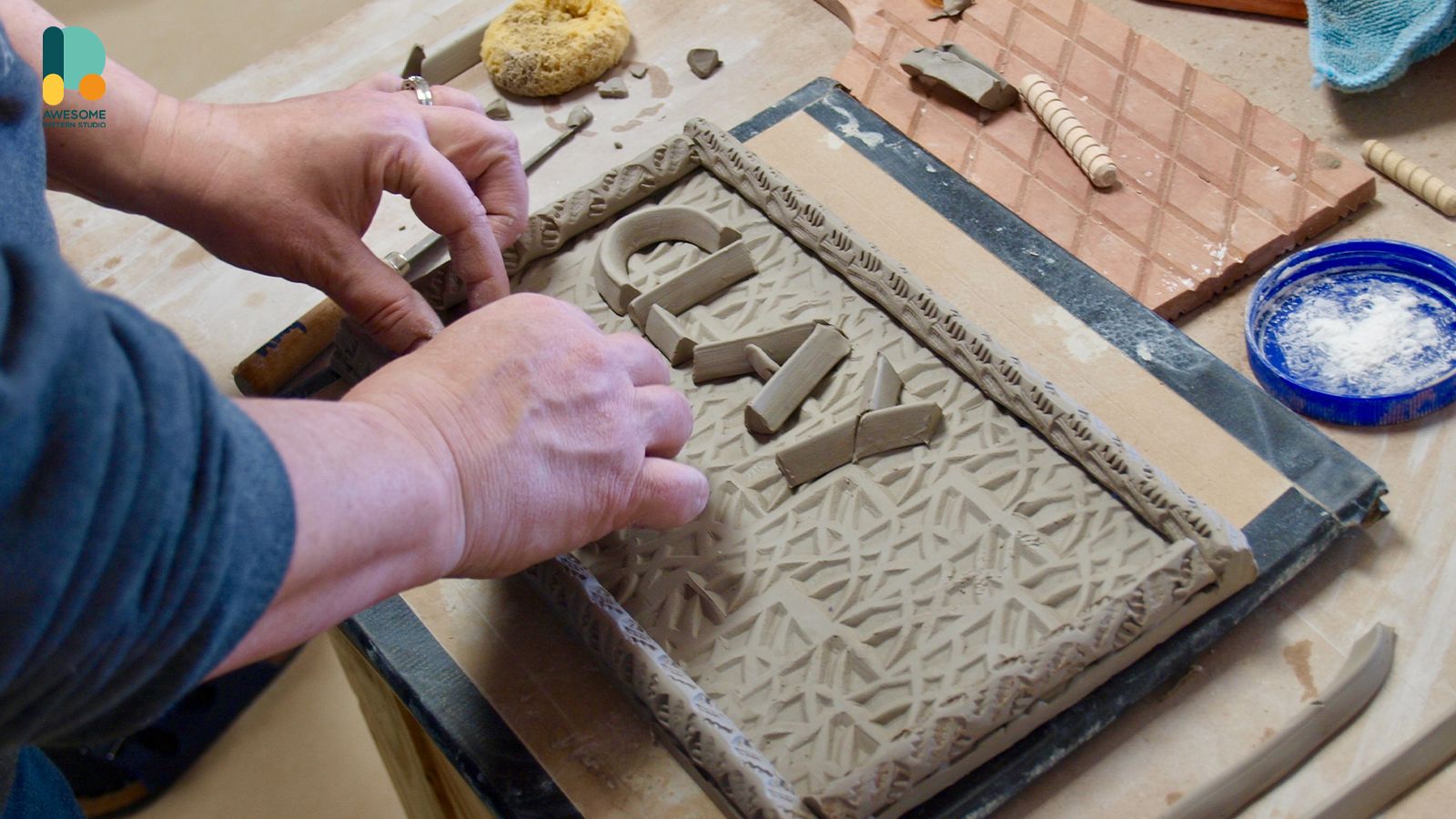
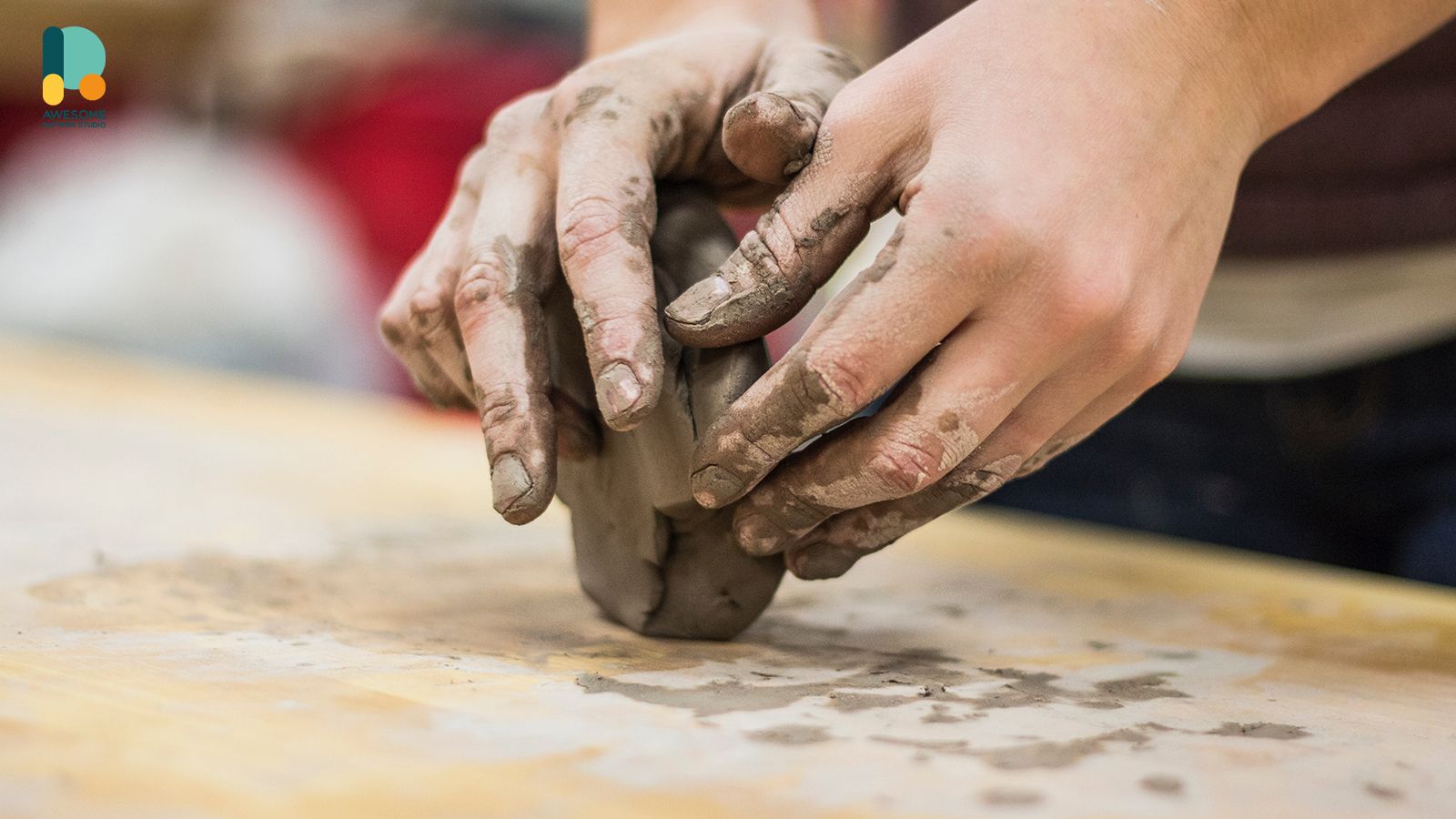
Hand-building. Handbuilding is a versatile technique used to create ceramics without a potter's wheel. Artists mold clay using their hands, tools, and molds, allowing for endless possibilities in shape and form.


Coiling, pinching, and slab construction are common hand-building methods that provide artists with creative freedom and the ability to experiment with unique designs.


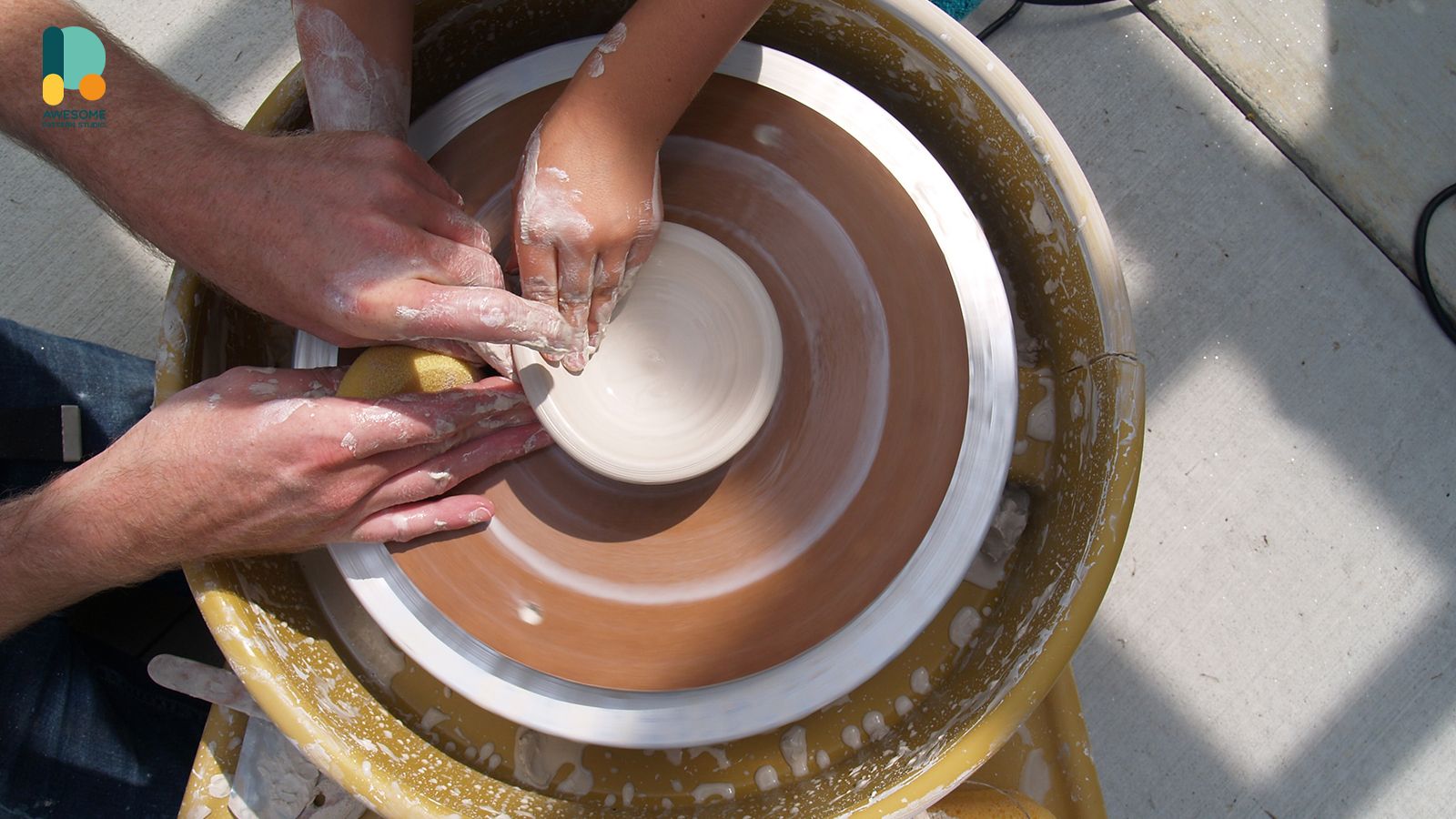
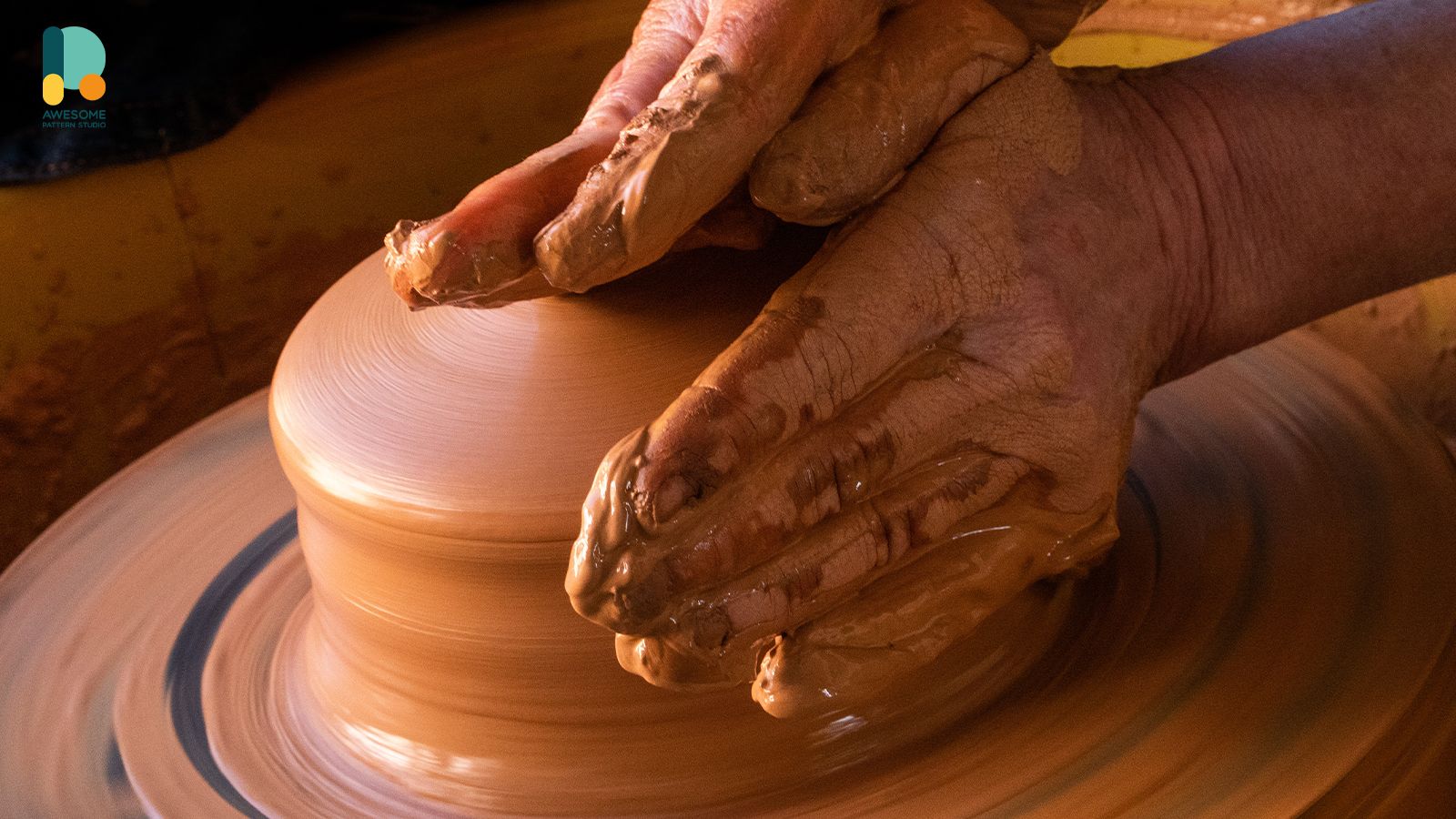
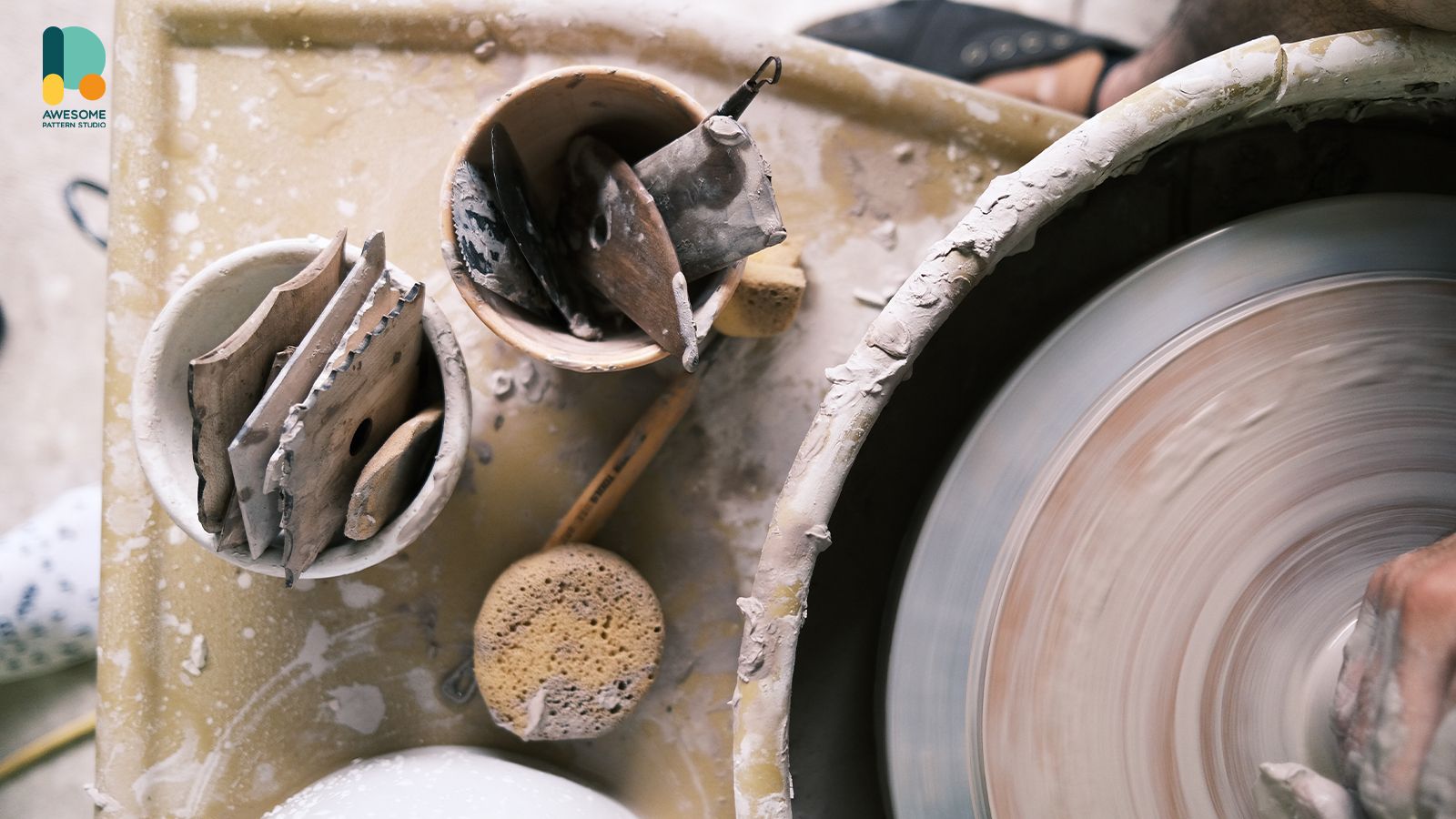
Wheel Throwing. Wheel throwing is a traditional technique where a potter uses a spinning wheel to shape clay into various forms. It requires skill and precision to control the wheel's speed and pressure while shaping the clay.


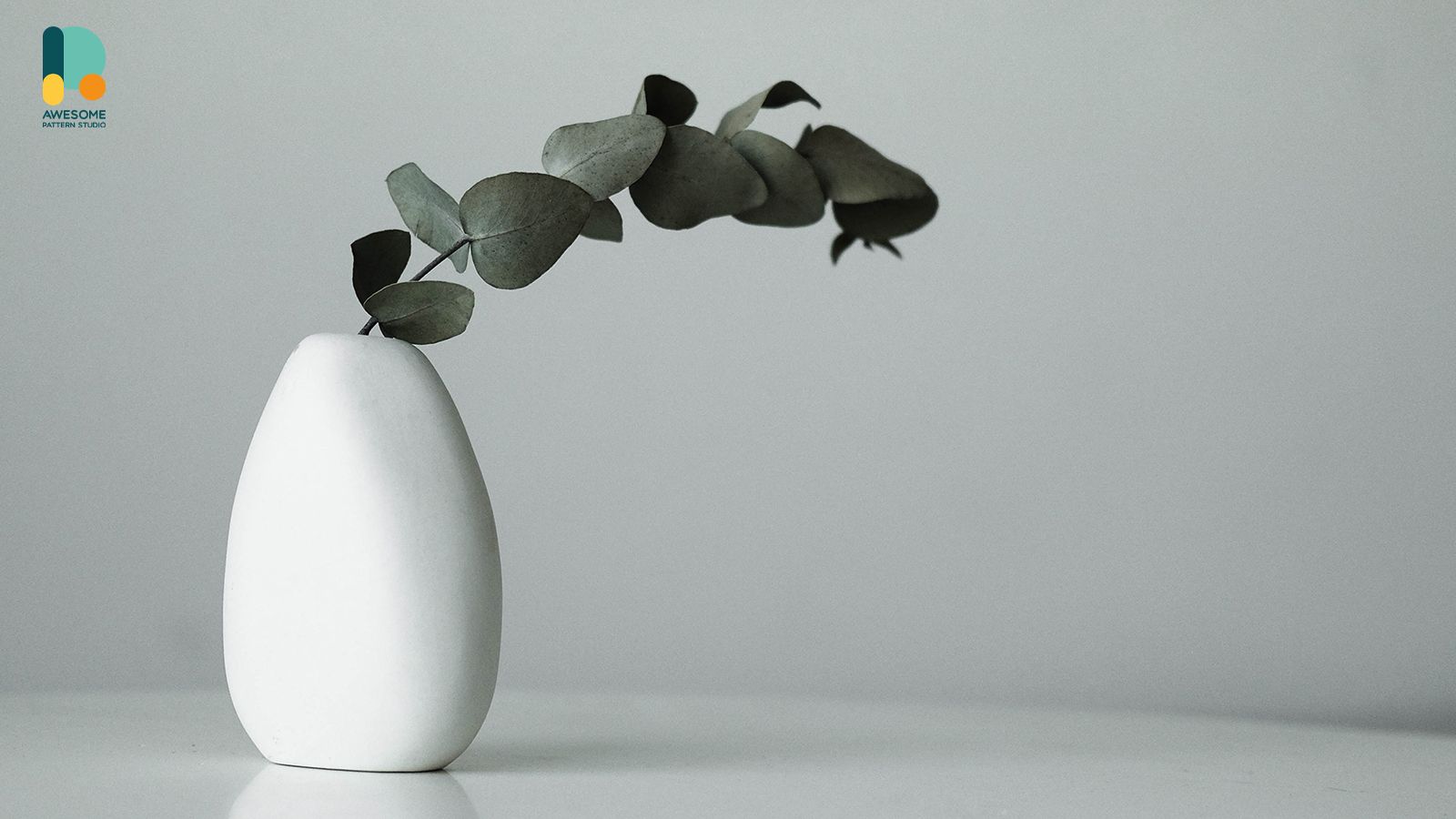
Wheel throwing offers the advantage of creating symmetrical pieces, such as bowls, cups, and vases, with smooth and uniform curves.


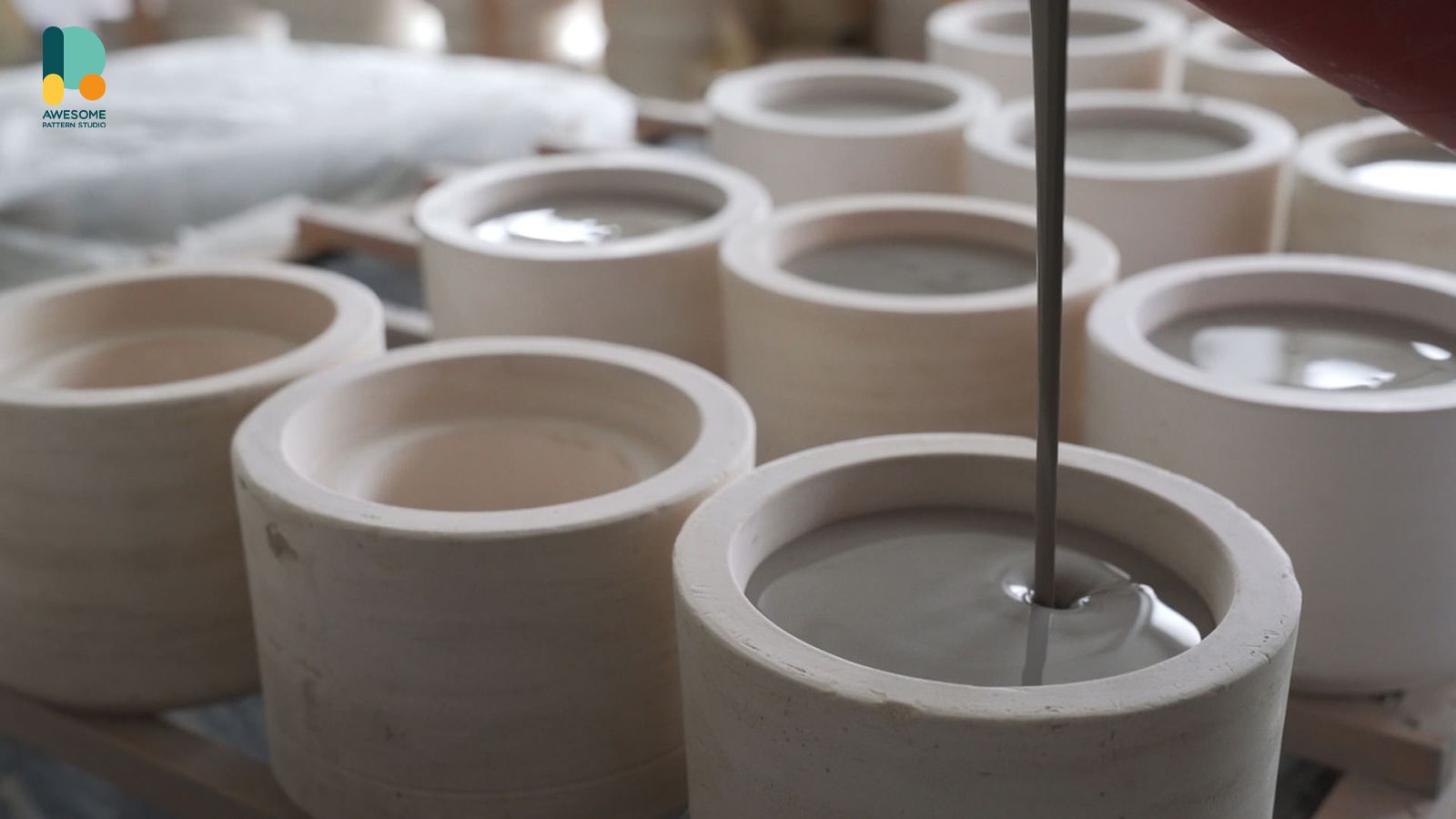
Slip Casting. Slip casting is a method that involves pouring liquid clay (slip) into plaster molds. As the molds absorb moisture from the slip, a clay shell is formed, which can be removed and further refined.


Slip casting is particularly useful for producing intricate and delicate ceramic pieces with consistent shapes and sizes.


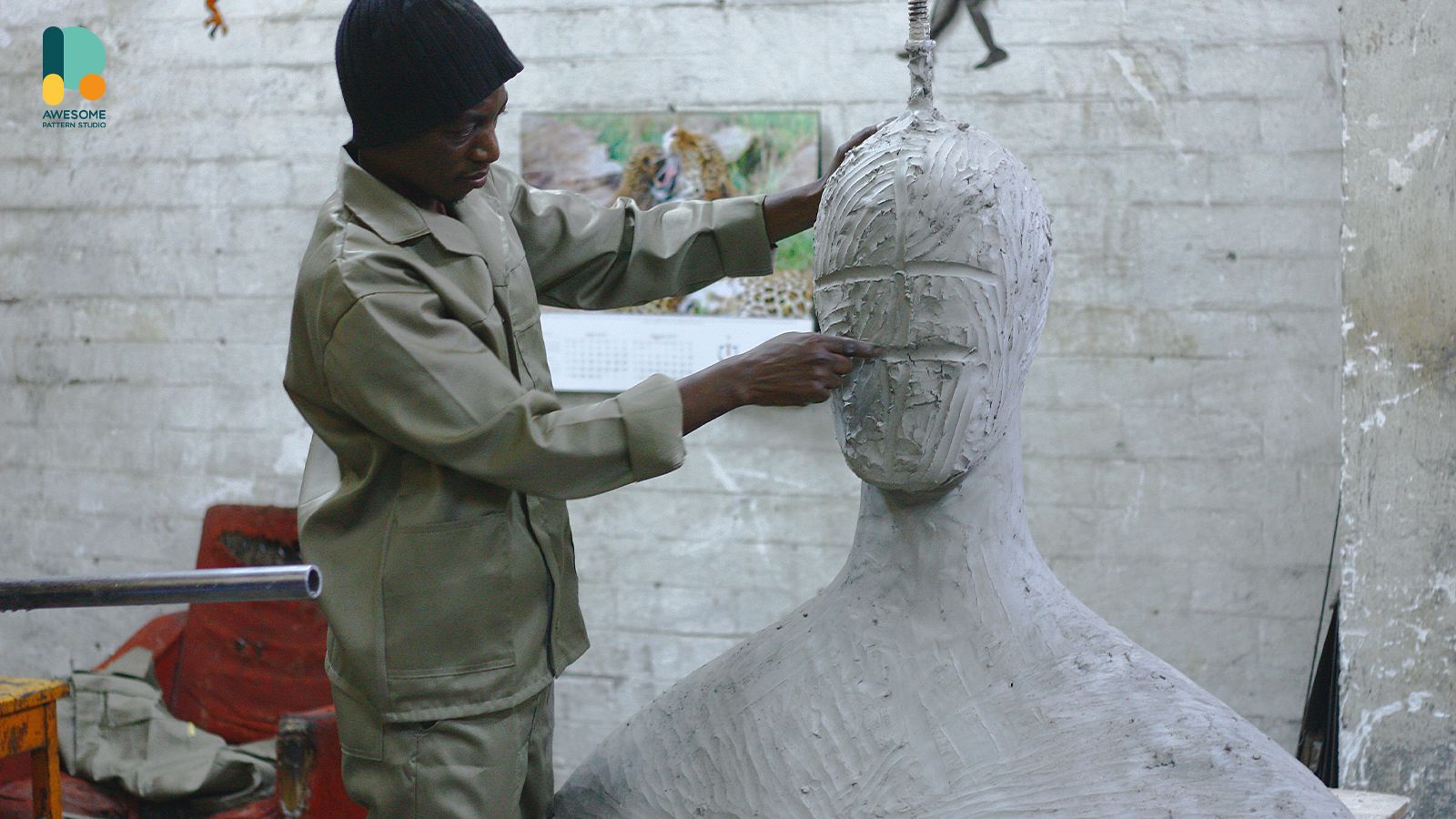
Sculpting. Sculpting is a technique that allows artists to create three-dimensional ceramic artworks using their hands and sculpting tools.


This method encourages the exploration of form, texture, and expressive possibilities. Sculpted ceramics can range from figurative sculptures to abstract and conceptual artworks.


EXPLORING GLAZING AND FIRING


Glazing Techniques. Glazing is the process of applying a thin layer of liquid glass to ceramics before firing. It serves both aesthetic and functional purposes, enhancing the visual appeal of the piece while providing a protective coating.


Various glazing techniques, such as dipping, brushing, and spraying, allow artists to achieve different effects, from glossy finishes to intricate patterns.


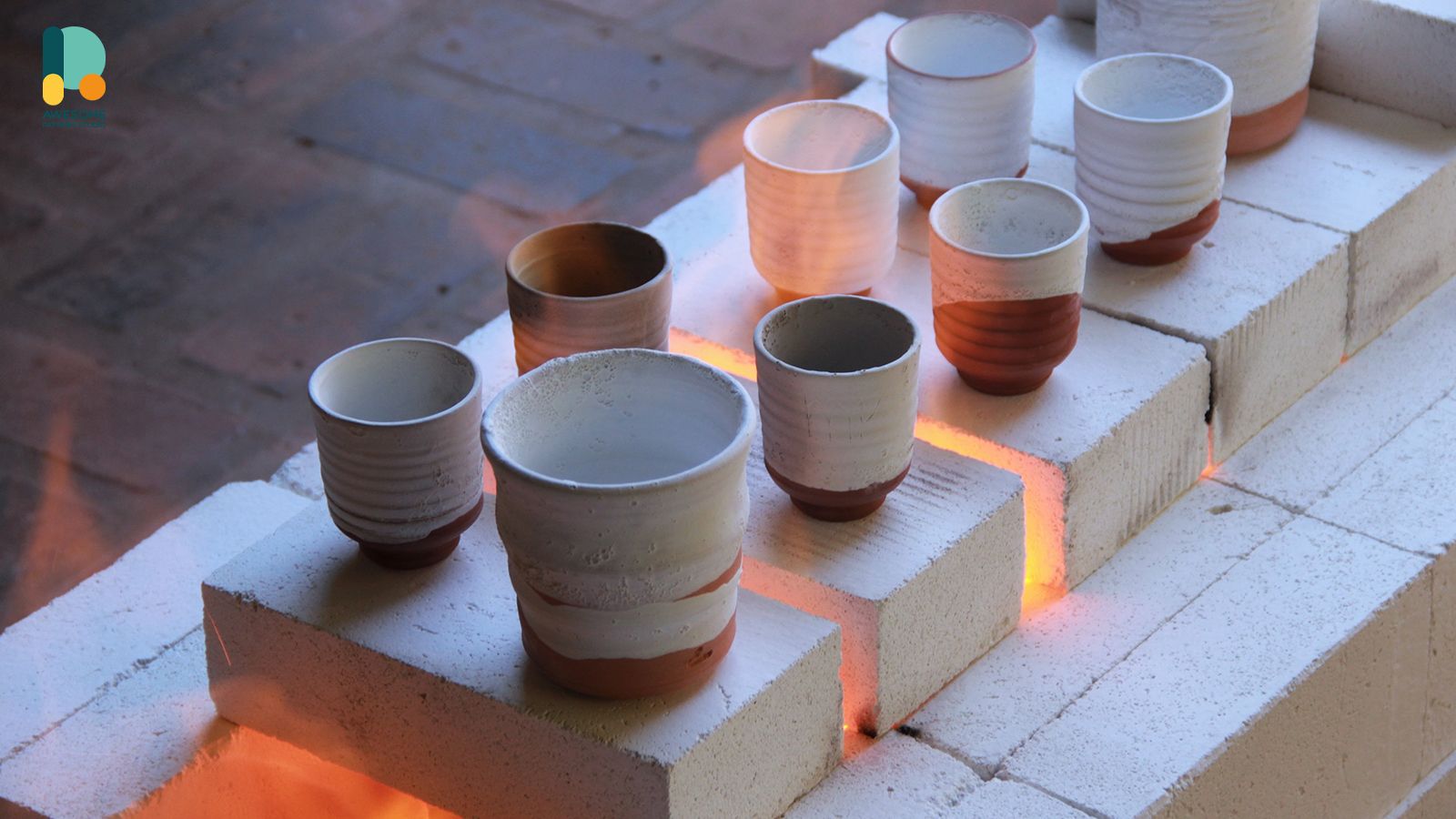
Firing Methods. Firing is a crucial step in the ceramics process, where clay transforms into a durable, permanent material. There are two primary firing methods: oxidation and reduction.


Oxidation firing occurs in an oxygen-rich environment, resulting in vibrant colors, while reduction firing involves a reduction of oxygen, creating unique effects like carbon trapping and metallic surfaces.


INSPIRING CERAMICS STYLES AND ARTISTS


Japanese Pottery: Wabi-Sabi Aesthetics. Japanese pottery embraces the philosophy of wabi-sabi, finding beauty in imperfection and impermanence.


Ceramics like Raku and Hagi ware showcase simplicity, natural textures, and subtle glazes. These styles encourage a connection with nature and an appreciation for the inherent beauty of raw materials.


Contemporary Ceramic Artists. Contemporary ceramic artists push the boundaries of traditional techniques, experimenting with innovative forms and unconventional materials.


Their work reflects a fusion of art and craft, often exploring conceptual themes and social commentary. Artists like Edmund de Waal and Grayson Perry inspire us with their thought-provoking creations.


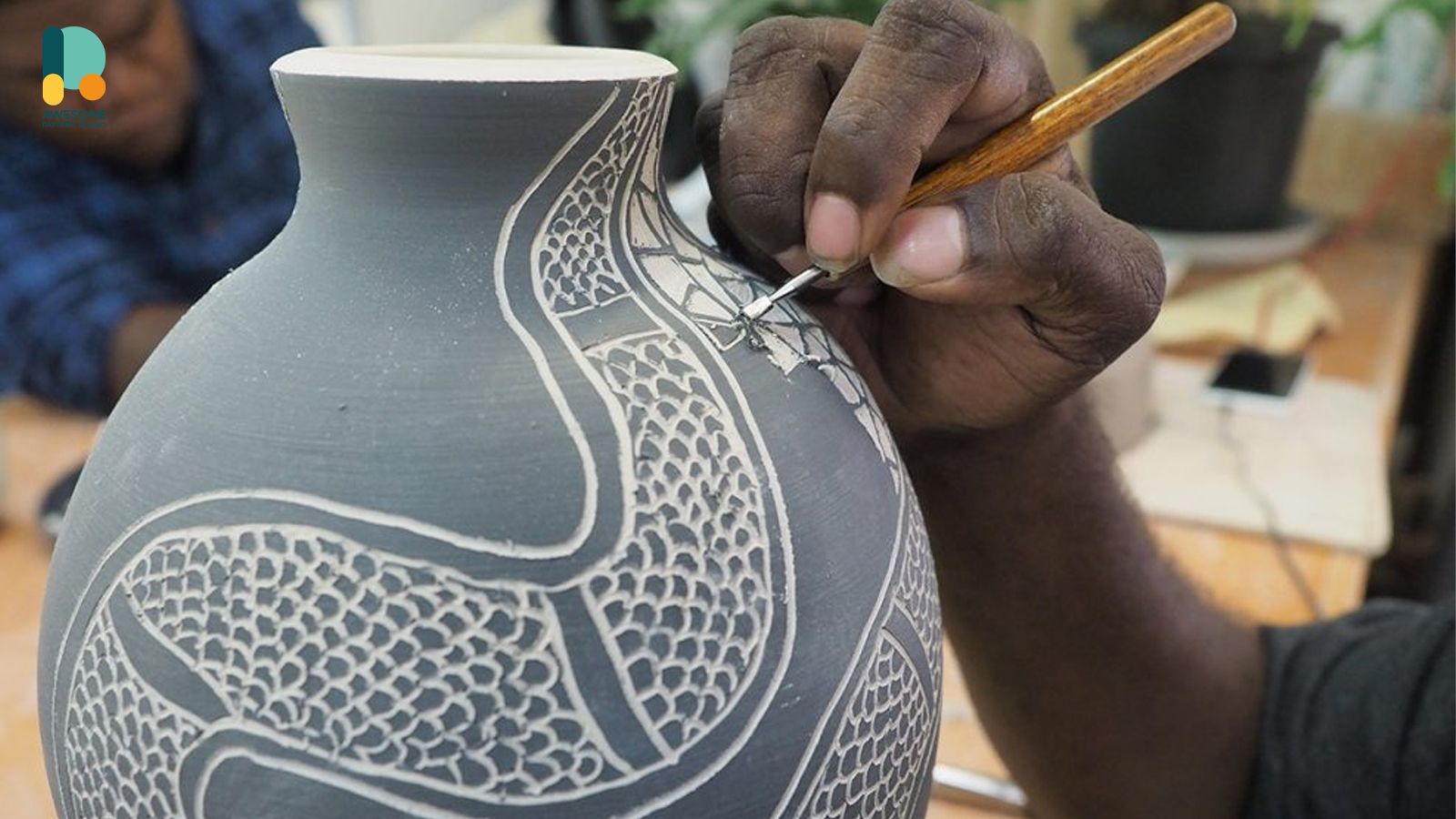
Indigenous Ceramics: Honoring Traditions. Indigenous cultures worldwide have a rich history of creating ceramics rooted in their traditions and stories. From Native American pottery to African tribal ceramics, these artworks celebrate cultural heritage and carry deep symbolism.


Indigenous ceramics serve as a testament to the importance of preserving and respecting diverse cultural practices.


THE JOY OF CREATING HANDMADE CERAMICS


Crafting handmade ceramics is a deeply fulfilling and therapeutic experience. It allows artists to express their creativity, engage in mindful practice, and forge a connection with the medium. The process of transforming raw clay into a finished ceramic piece is a labor of love, requiring patience, skill, and dedication.


In conclusion, handmade ceramics possess a magical quality that continues to captivate art enthusiasts around the world. Through the various techniques explored in this article, we've gained insight into the world of handmade ceramics and the craftsmanship involved.


Whether you appreciate the traditional elegance of Japanese pottery, the bold experimentation of contemporary artists, or the cultural significance of indigenous ceramics, handmade ceramics offer an endless source of inspiration.