

UNDERSTANDING THE ROLE OF SCISSORS IN CROSS STITCH
Scissors play an indispensable role in cross stitch, allowing you to make clean, precise cuts that are essential for the intricate work involved. From snipping threads close to the fabric to cutting larger sections of material, the right pair of scissors can make your work smoother and more enjoyable.
In cross stitch, you’ll often need to make various types of cuts, such as trimming threads, cutting fabric, or even clipping stray fibers. Having the right scissors for each task ensures that your project looks neat and professional.
TYPES OF SCISSORS FOR CROSS STITCH
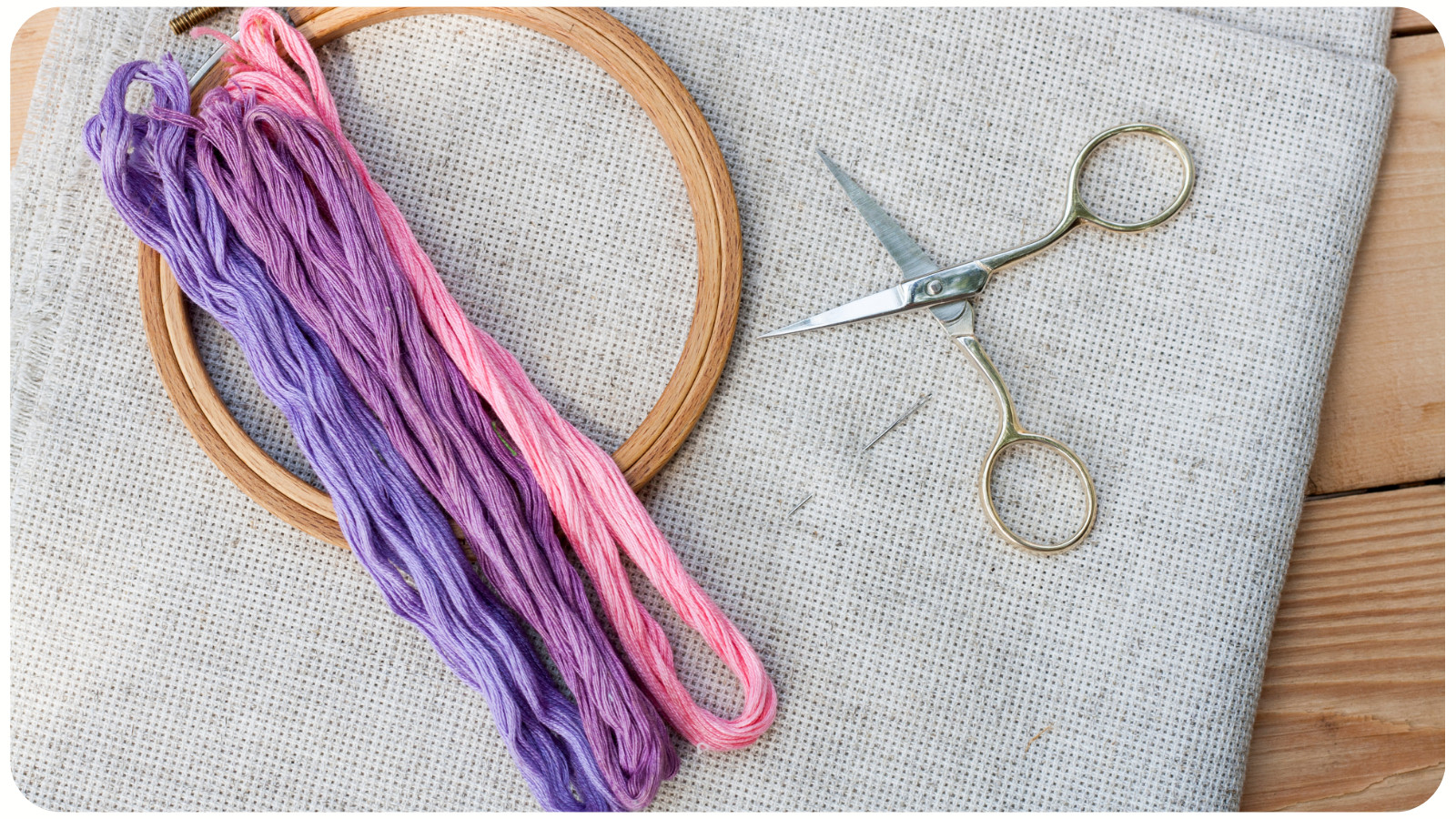
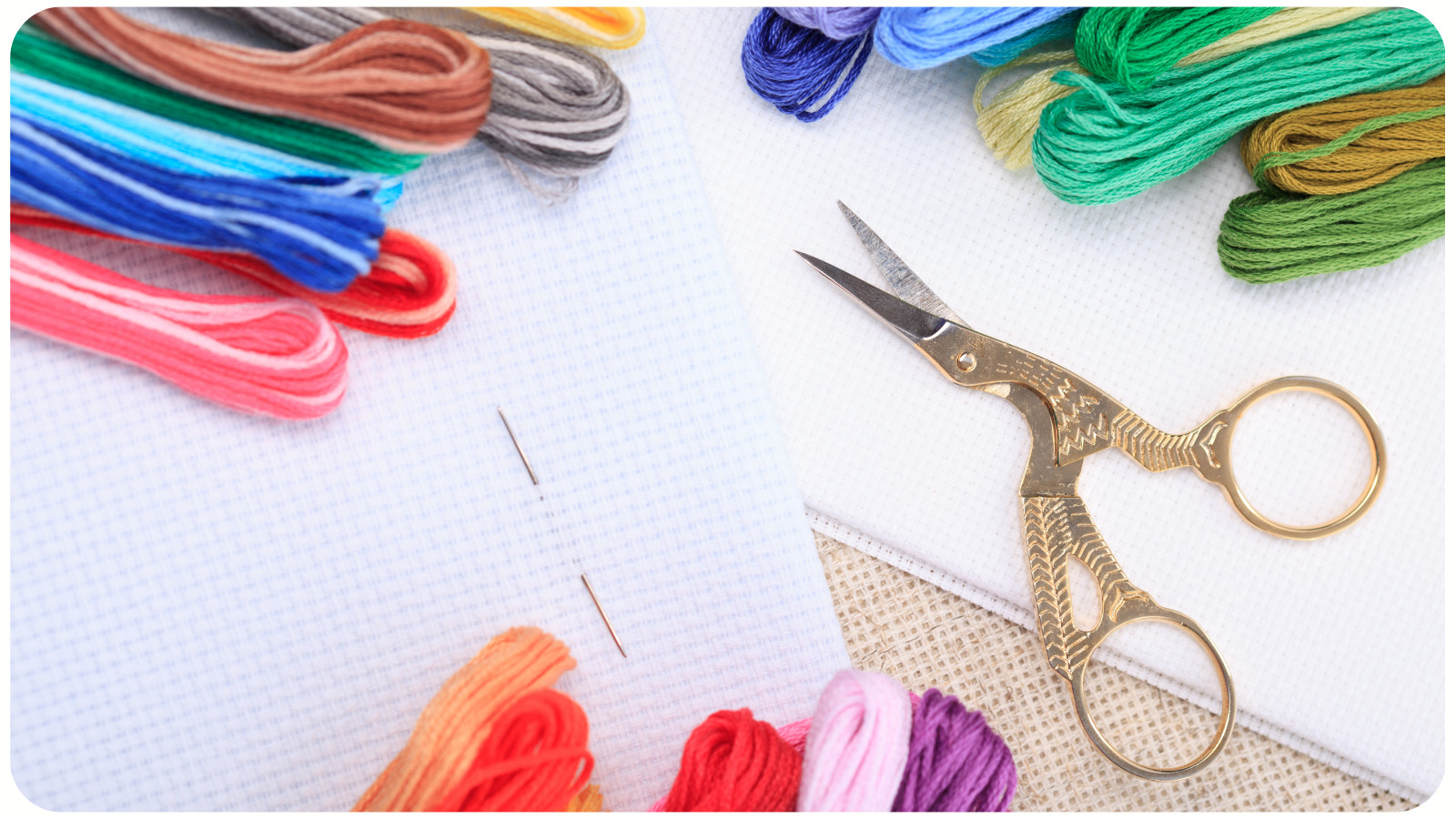
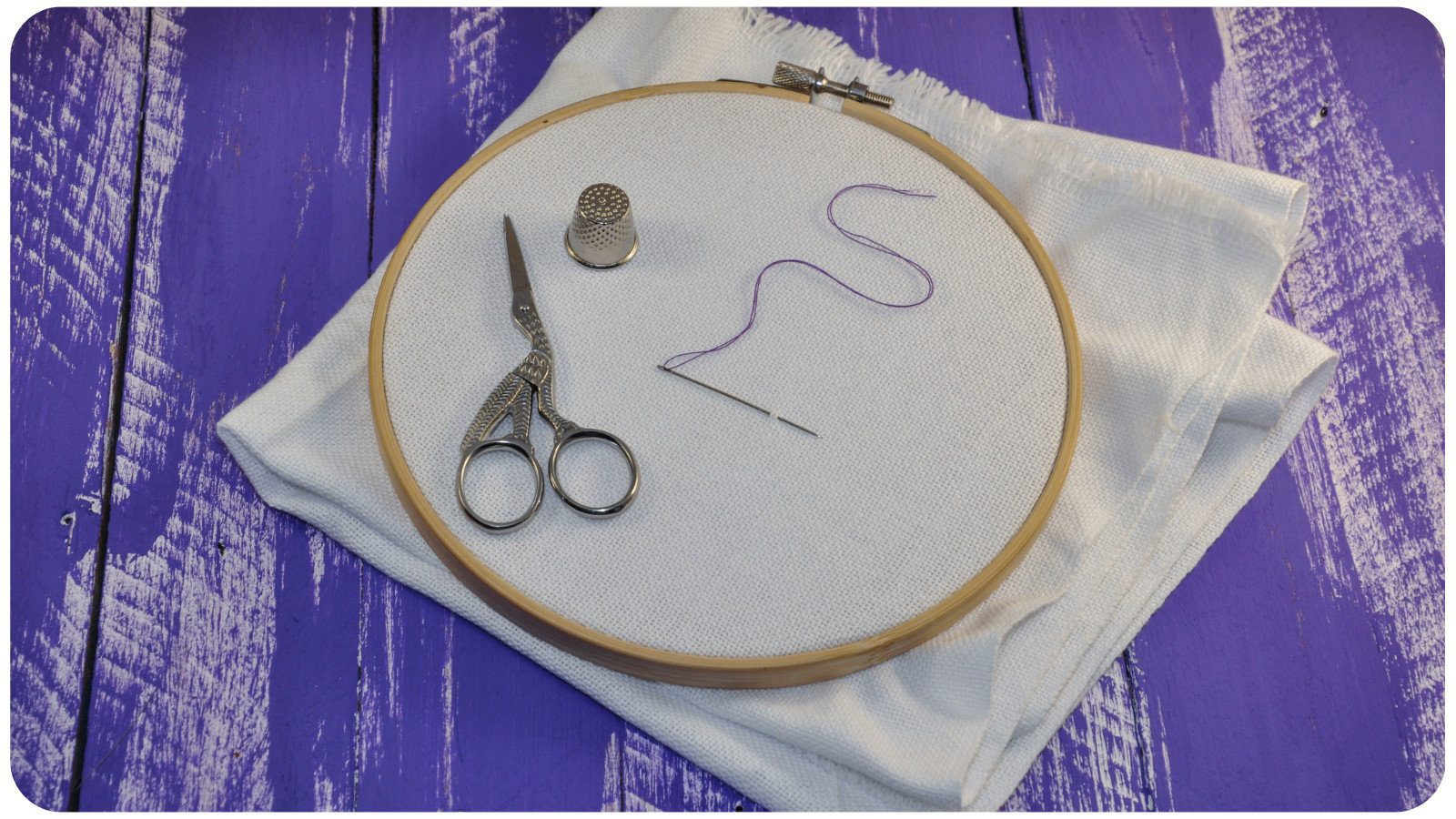
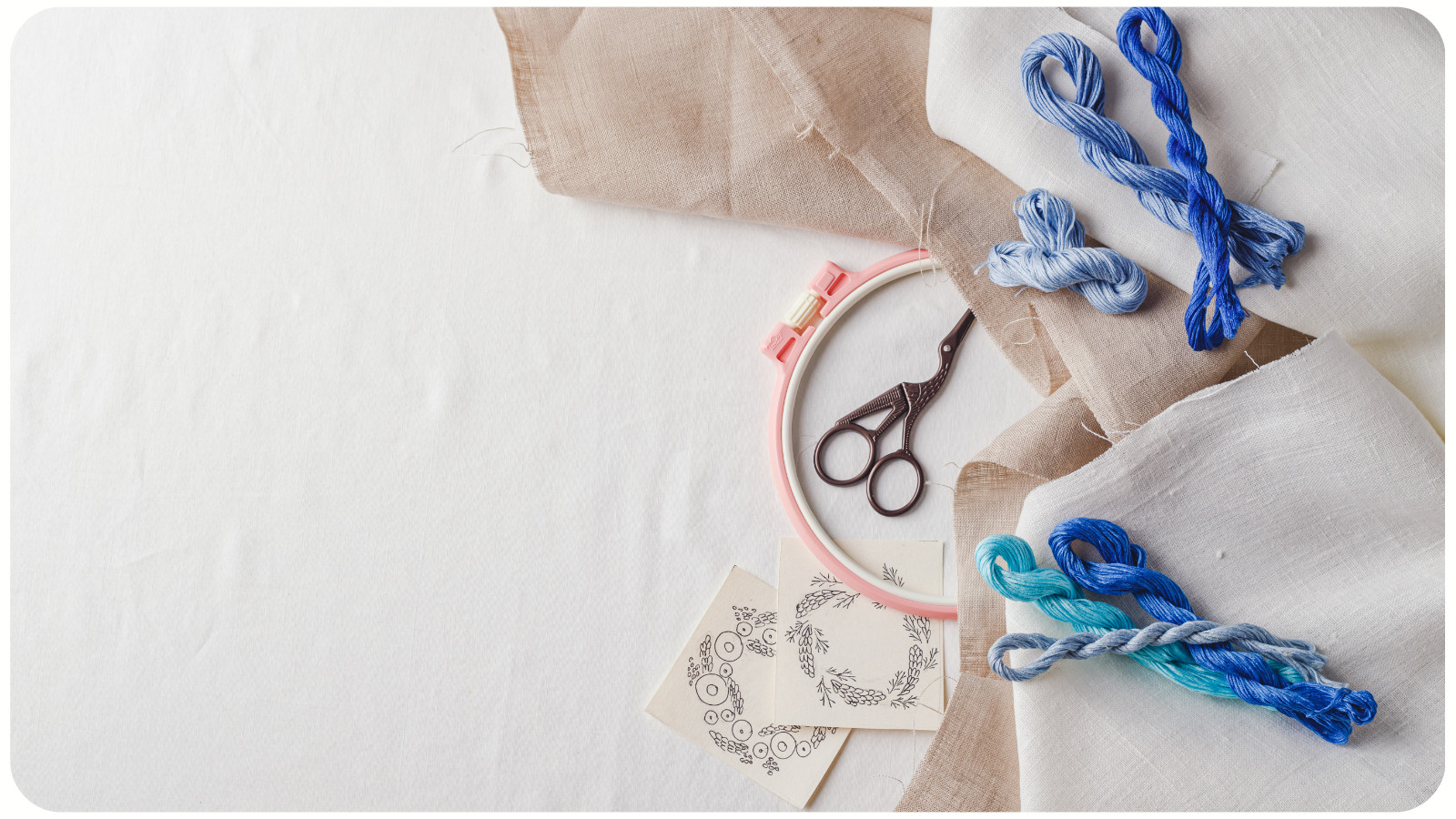
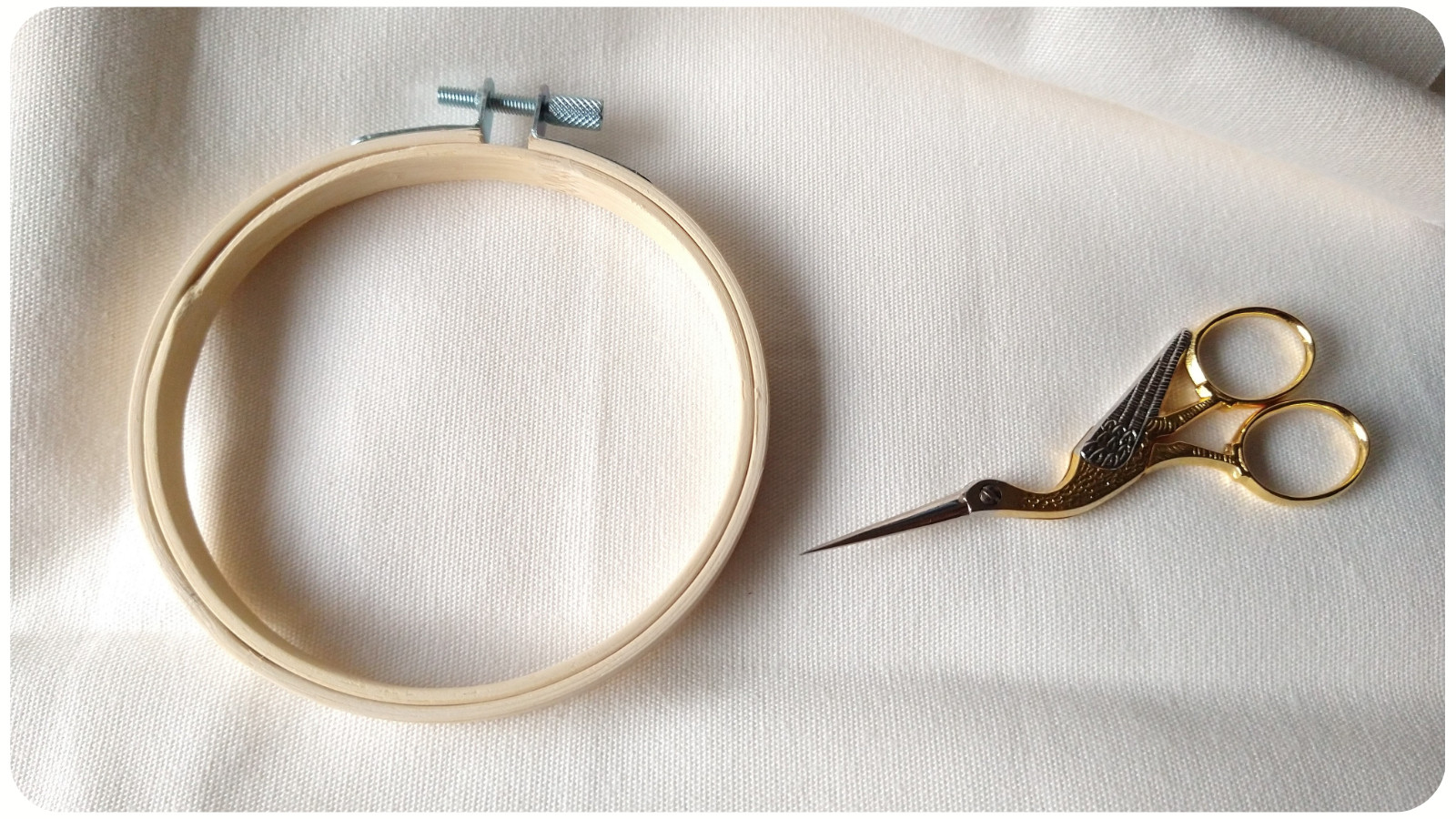
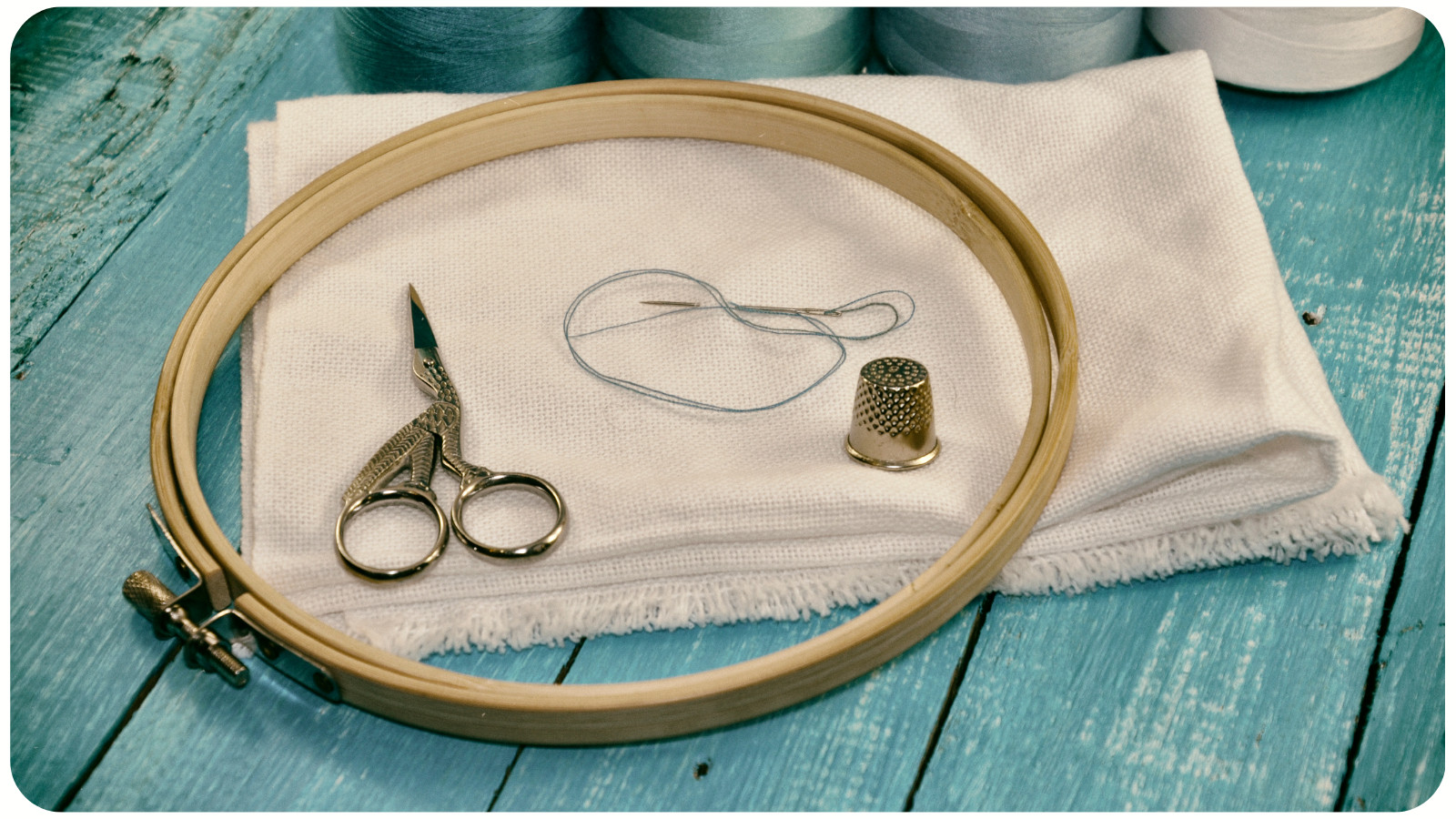
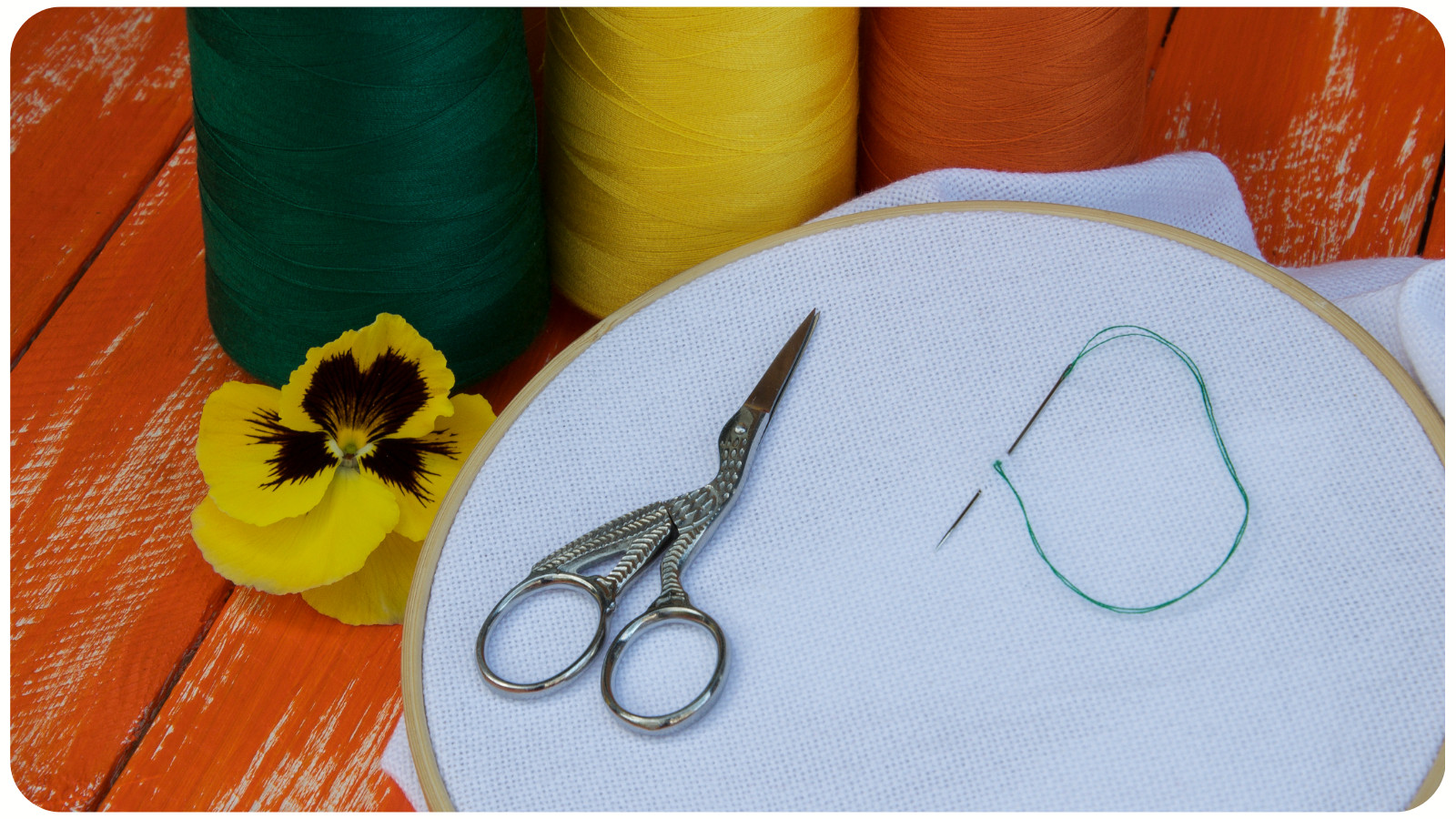
Embroidery Scissors. Embroidery scissors are a staple for any cross-stitcher. These small, sharp, and pointed scissors are perfect for snipping threads with precision. Their fine tips allow you to cut very close to the fabric without damaging it, making them ideal for detailed work in cross stitch.
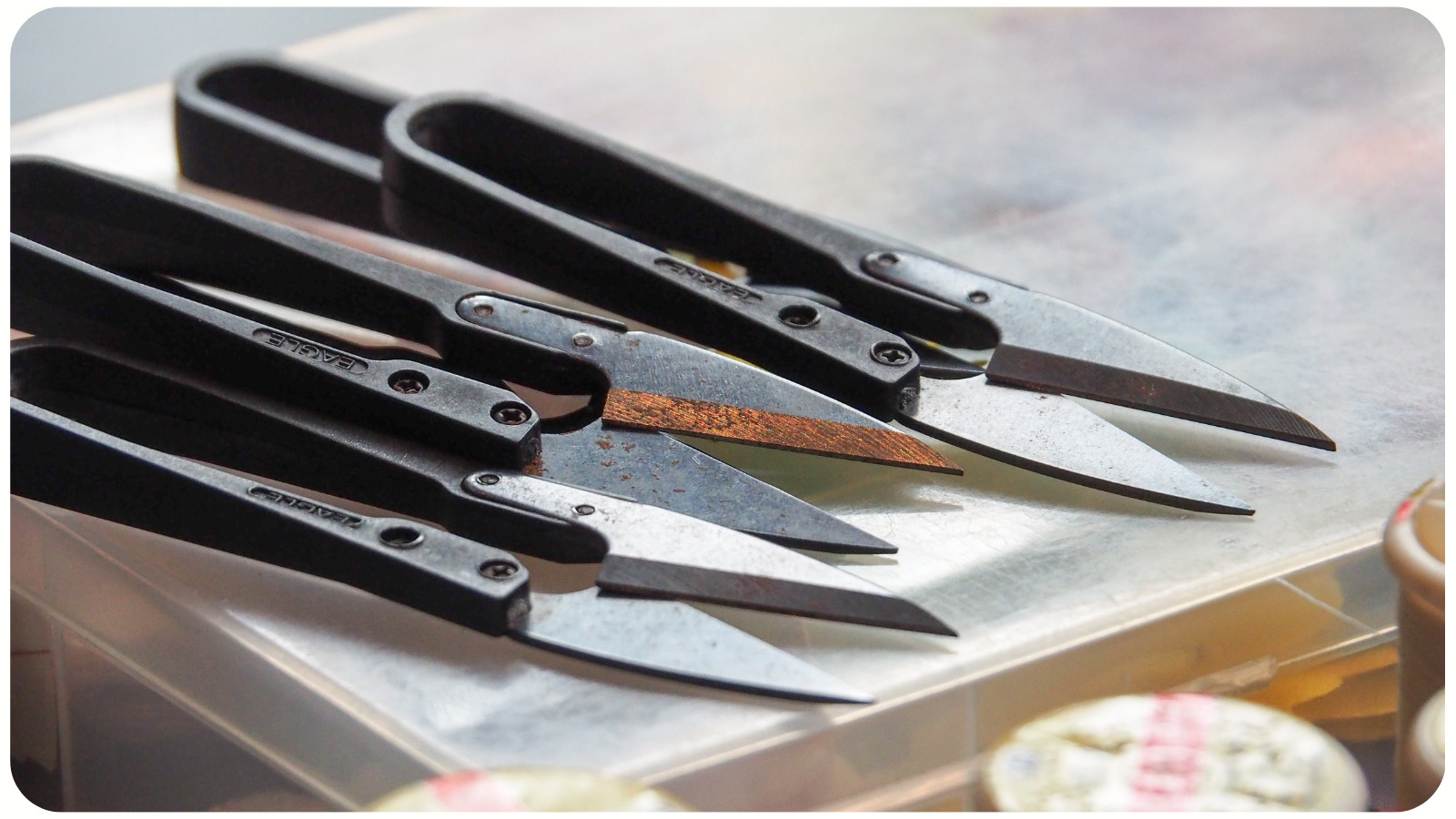
Thread Snips. Thread snips are a handy alternative to traditional scissors, especially when you need to quickly cut threads during your project. They’re designed for efficiency, allowing you to snip threads with one hand while holding your needlework with the other. Thread snips are particularly useful for those who prefer a more streamlined tool without the need for a handle.
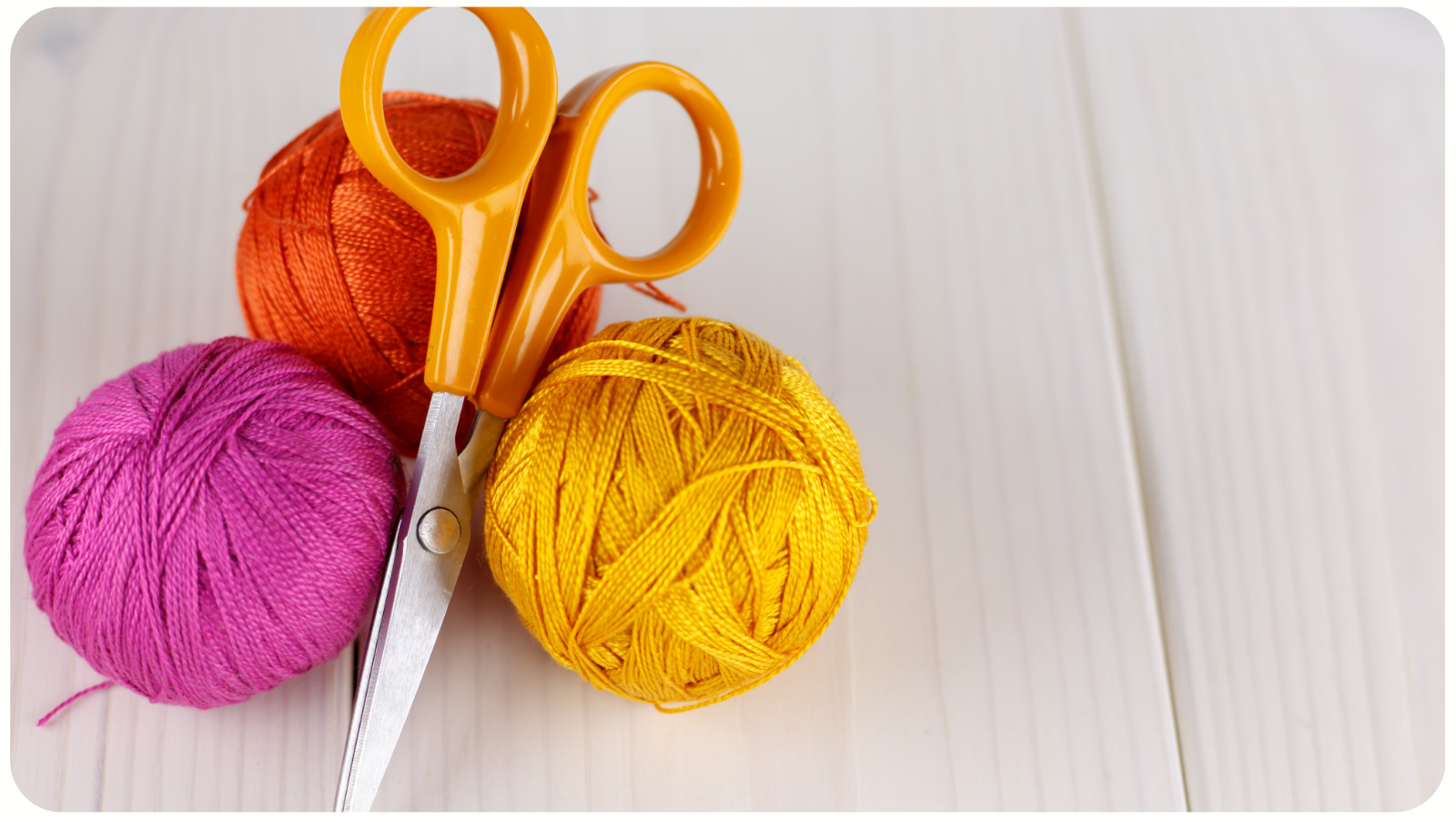
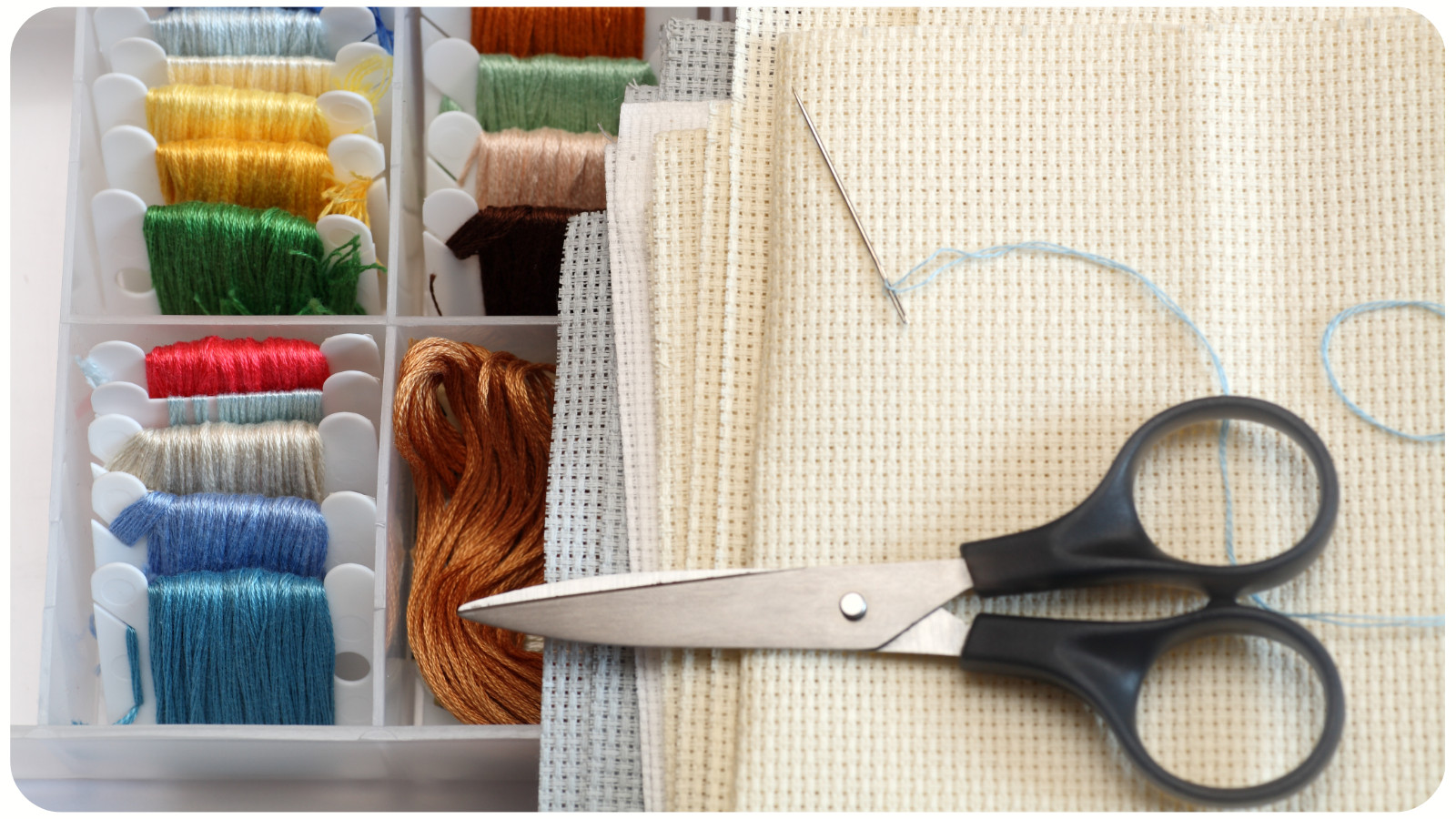
Fabric Scissors. While embroidery scissors are great for cutting threads, you’ll need a separate pair of fabric scissors for cutting your cross stitch fabric. Fabric scissors are larger and have longer blades, designed to cut through fabric smoothly without fraying. It’s essential to keep these scissors sharp and dedicated to fabric use only, as cutting paper or other materials with them can dull the blades.
Specialty Scissors. For specific tasks, specialty scissors can be a great addition to your toolkit. Bent handle scissors, for example, allow you to cut fabric while keeping it flat on a surface, reducing the risk of jagged edges. Curved-tip scissors are perfect for getting into tight spaces and cutting close to the stitching without harming the fabric.
FACTORS TO CONSIDER WHEN CHOOSING SCISSORS
Blade Sharpness. Sharp blades are crucial for making clean cuts in your cross stitch projects. Dull scissors can fray your threads and fabric, leading to a less polished look. When selecting scissors, ensure the blades are sharp and can maintain their edge over time.
Size and Comfort. Scissors come in various sizes, and the right size depends on your comfort and the type of work you’re doing. Small embroidery scissors are perfect for intricate tasks, while larger fabric scissors are better for cutting your fabric to size. Comfort is also key; look for scissors with ergonomic handles that reduce strain on your hands during long stitching sessions.
Material and Durability. High-quality scissors are usually made from stainless steel, which is durable and resistant to rust. Some scissors also have coated blades for extra durability. Investing in a well-made pair of scissors ensures they’ll last longer and perform better over time.
Pointed vs. Blunt Tips. The tip of your scissors can significantly affect your cross-stitching experience. Pointed tips are ideal for detailed cutting and reaching into tight spaces, while blunt tips are safer and may be better suited for cutting fabric where precision isn’t as crucial.
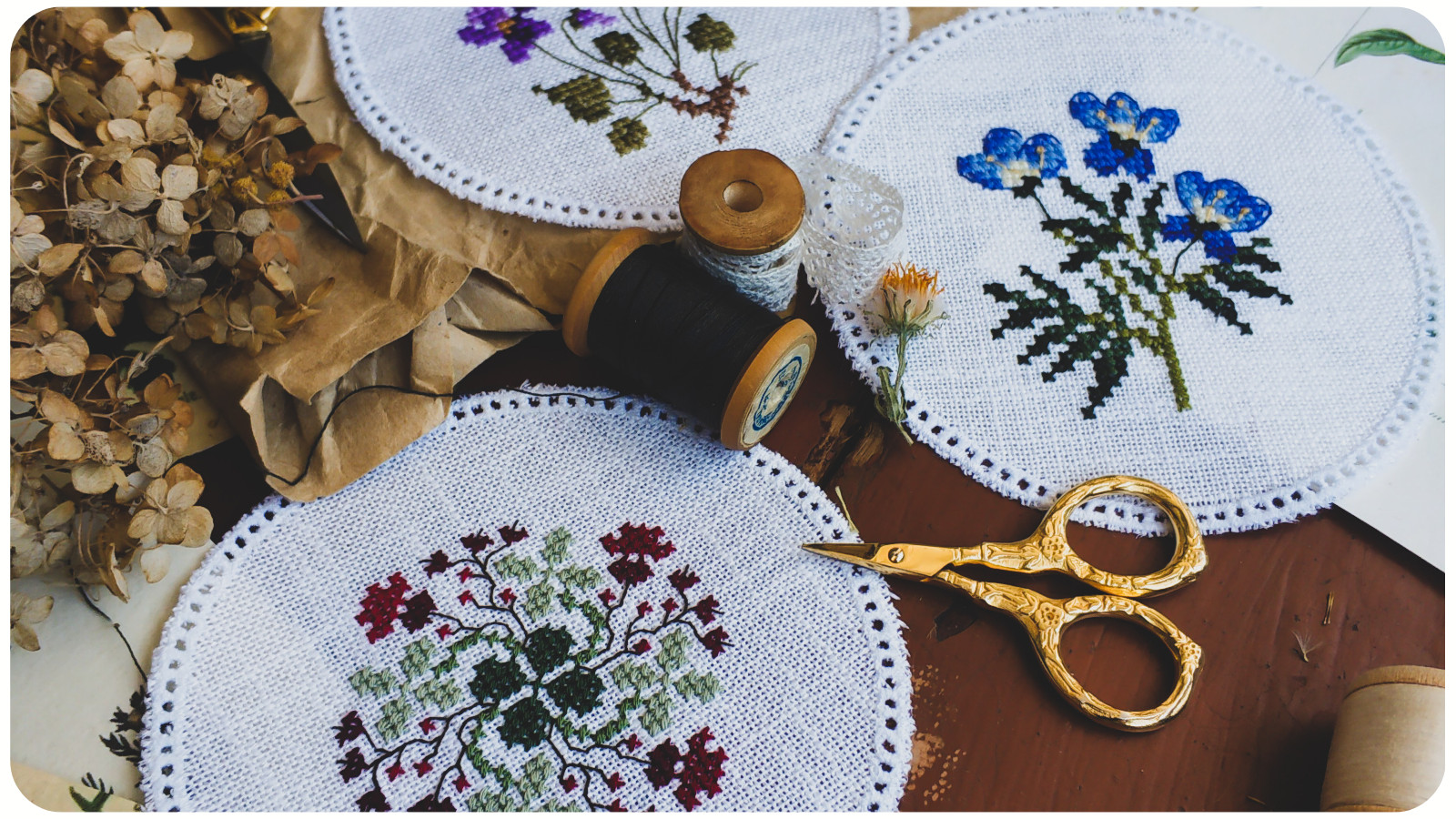
Design and Aesthetics. While functionality is paramount, the design and aesthetics of your scissors can also enhance your stitching experience. Some stitchers prefer beautifully designed scissors that reflect their personal style or add a bit of flair to their toolkit.
BEST SCISSORS BRANDS FOR CROSS STITCH
Several brands are renowned for producing high-quality scissors specifically for needlework. Here are a few that are favored by cross-stitchers:
- Gingher: Known for their durability and precision, Gingher scissors are a favorite among professionals.
- DMC: A well-known name in the embroidery world, DMC offers a range of scissors that are both functional and stylish.
- Fiskars: Fiskars scissors are widely recognized for their sharpness and ergonomic design.
- Premax: This brand is known for its high-quality, Italian-made scissors that offer precision and longevity.
- Kai: Kai scissors are made in Japan and are highly regarded for their superior cutting performance and comfort.