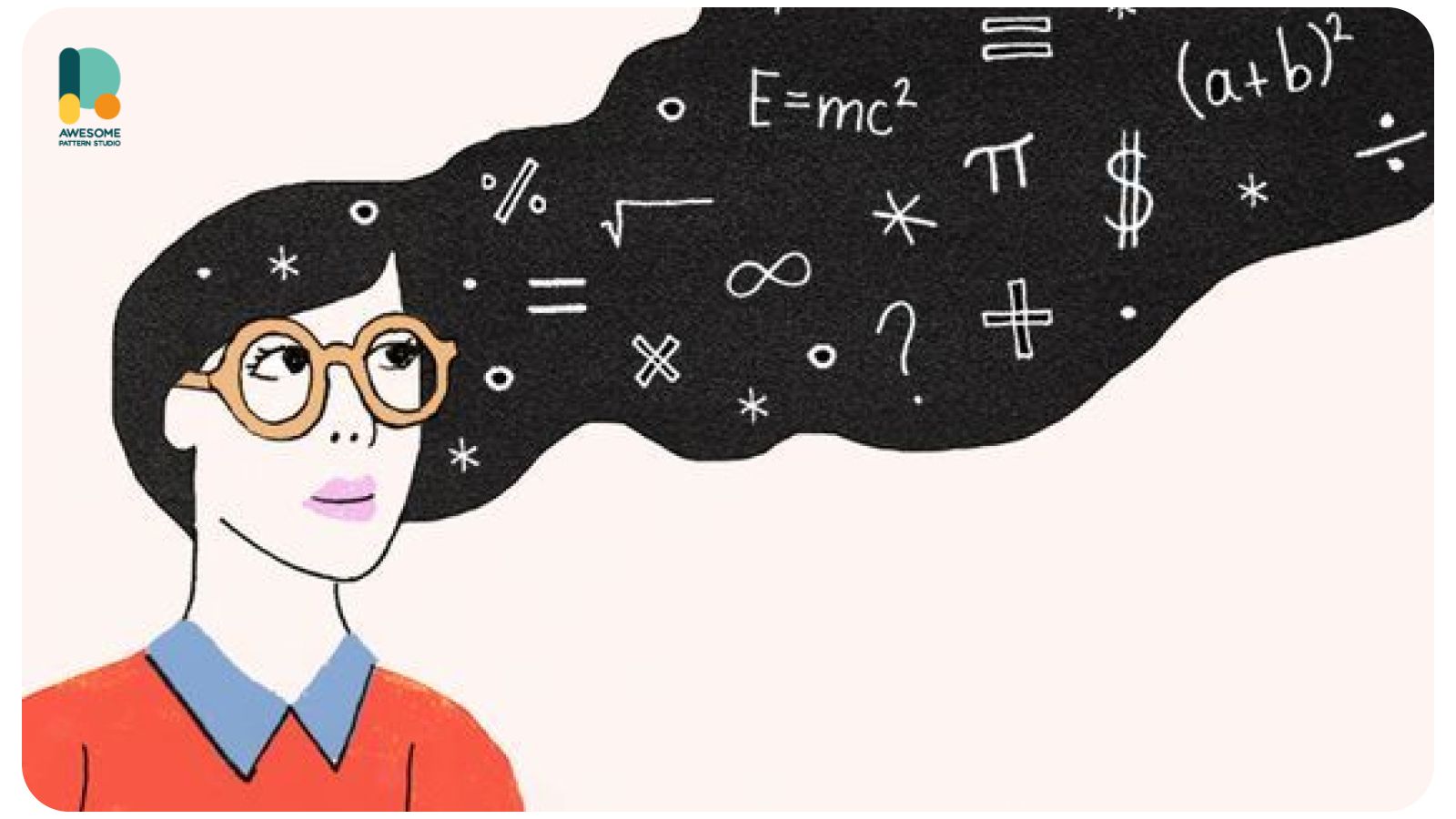

In the vast tapestry of human creativity, the threads of art and mathematics weave together to form a mesmerizing pattern. The marriage of these seemingly disparate disciplines has given rise to stunning creations, with geometric patterns and tessellations standing out as prime examples.
THE FUSION OF MATH AND ART
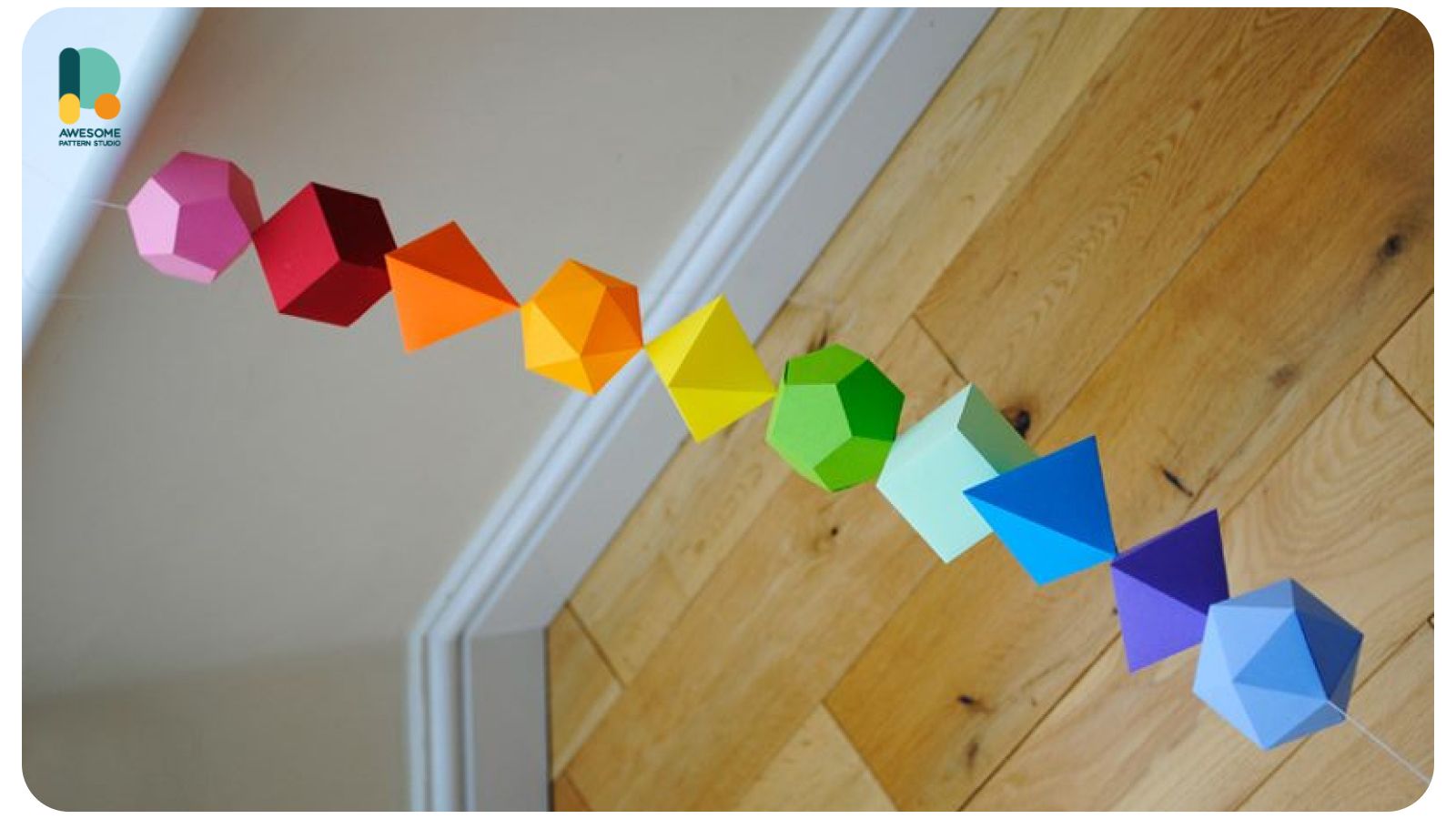
The symbiotic relationship between math and art dates back centuries. Artists have long drawn inspiration from mathematical concepts, incorporating them into their works to create visually stunning and intellectually engaging pieces. This integration has evolved over time, giving birth to innovative techniques and styles.
UNDERSTANDING GEOMETRIC PATTERNS
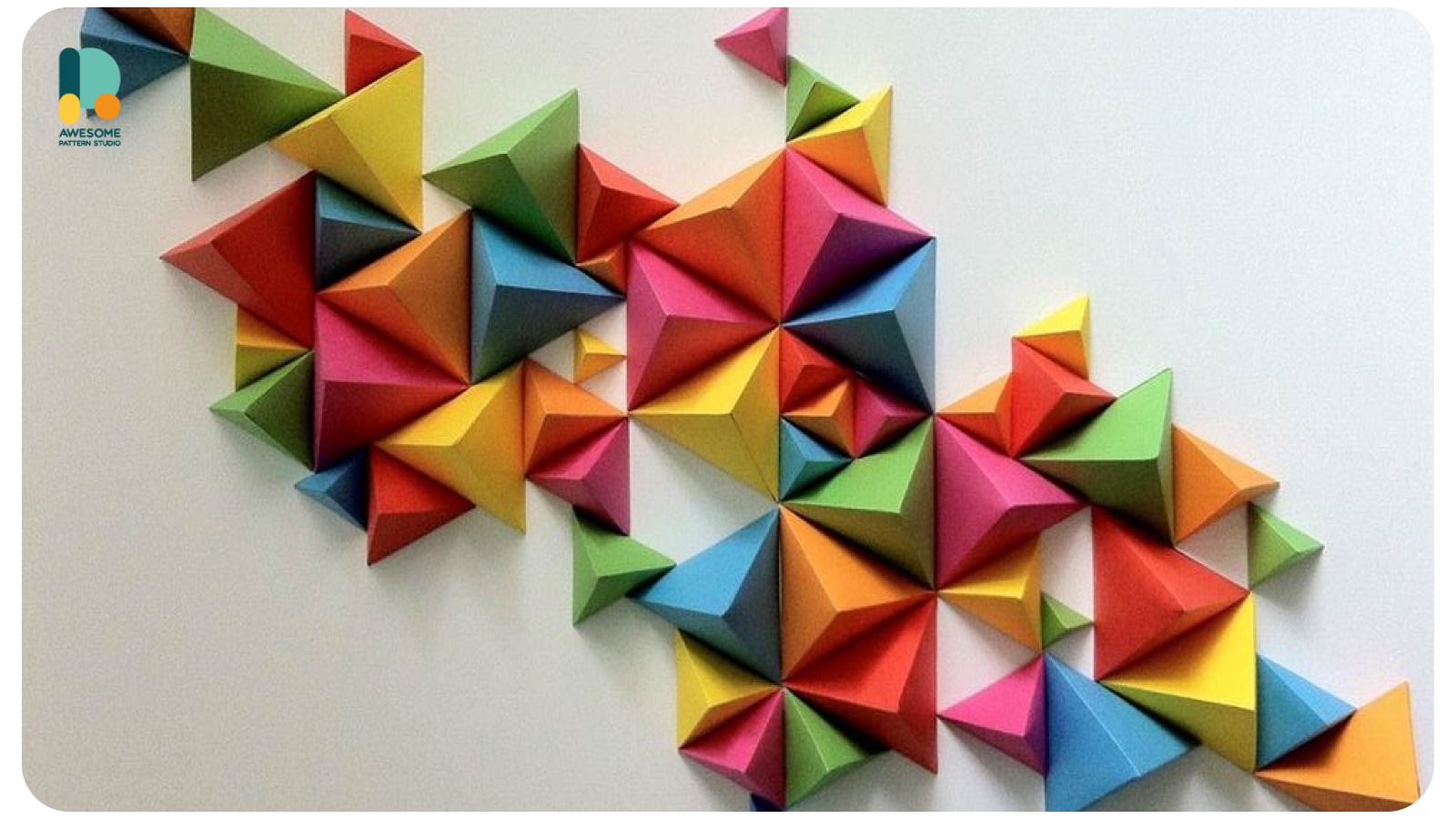
Geometric patterns, characterized by regular and repeating shapes, hold a special place in the world of art and design. From ancient mosaics to contemporary digital art, geometric patterns captivate the eye and stimulate the mind. They serve as a visual language, conveying order and harmony in artistic compositions.
TESSELLATIONS DEFINED
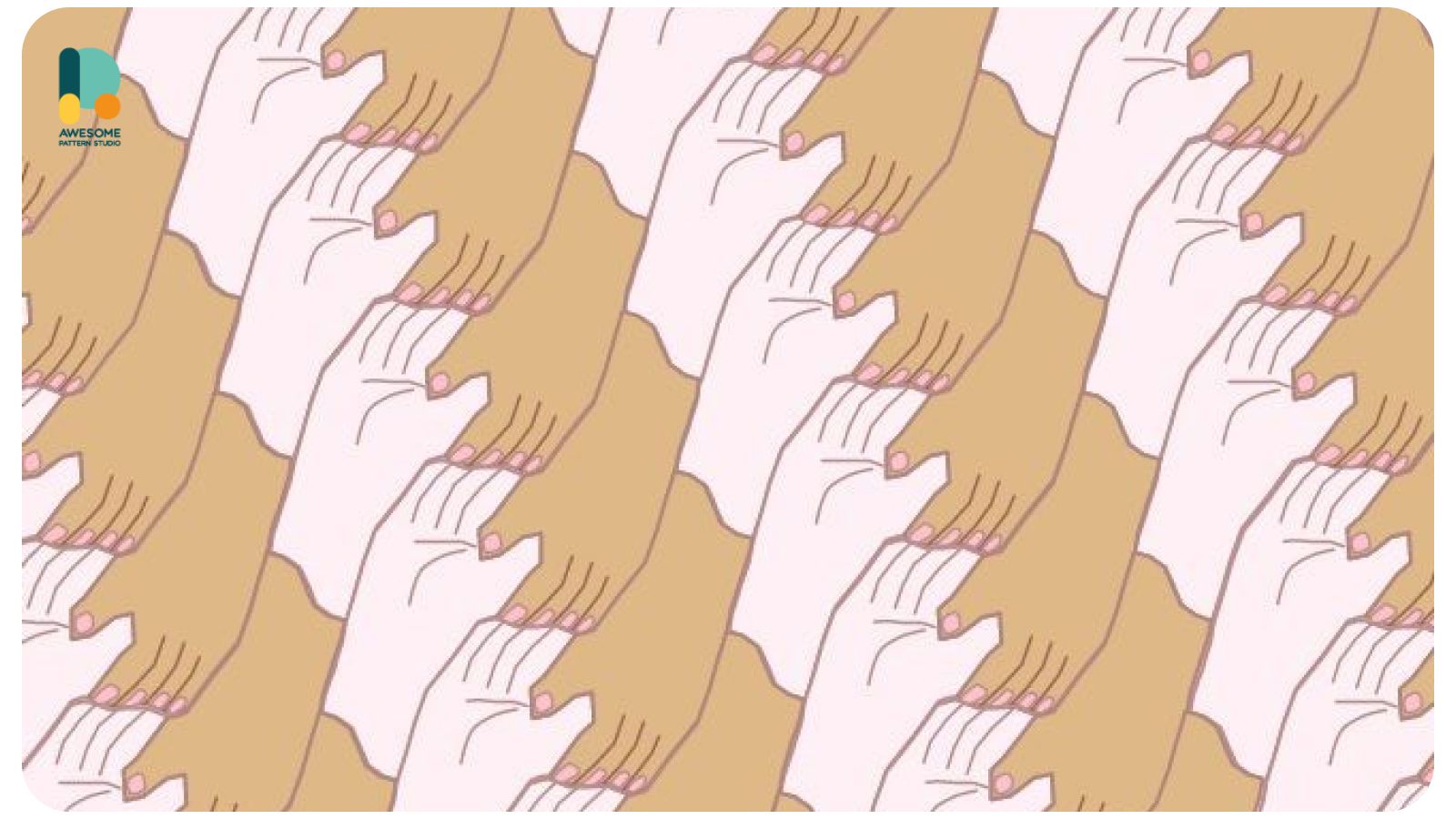
Tessellations, a captivating form of geometric art, involve the arrangement of shapes with no overlaps or gaps. Artists like M.C. Escher have elevated tessellations to an art form, creating intricate designs that challenge our perception of space and form. The meticulous precision required in tessellations adds a layer of complexity to their aesthetic appeal.
MATHEMATICAL PRINCIPLES BEHIND GEOMETRIC PATTERNS
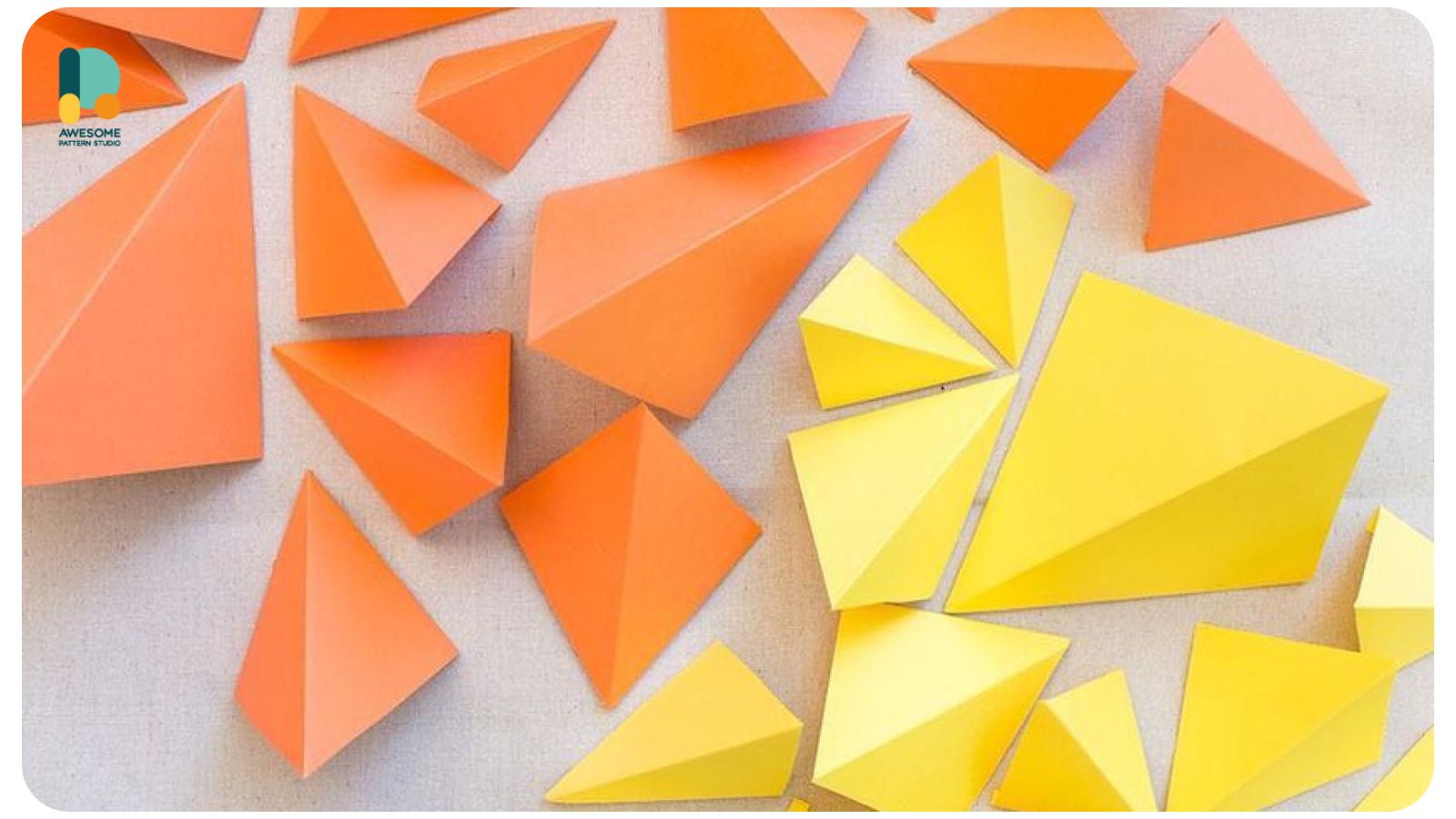
Behind the mesmerizing beauty of geometric patterns lie mathematical principles such as symmetry, fractals, and ratios. Artists leverage these concepts to create balance and visual interest in their compositions. Exploring the mathematical foundation enriches our understanding of the thought process behind these artistic endeavors.
FAMOUS EXAMPLES OF MATH IN ART
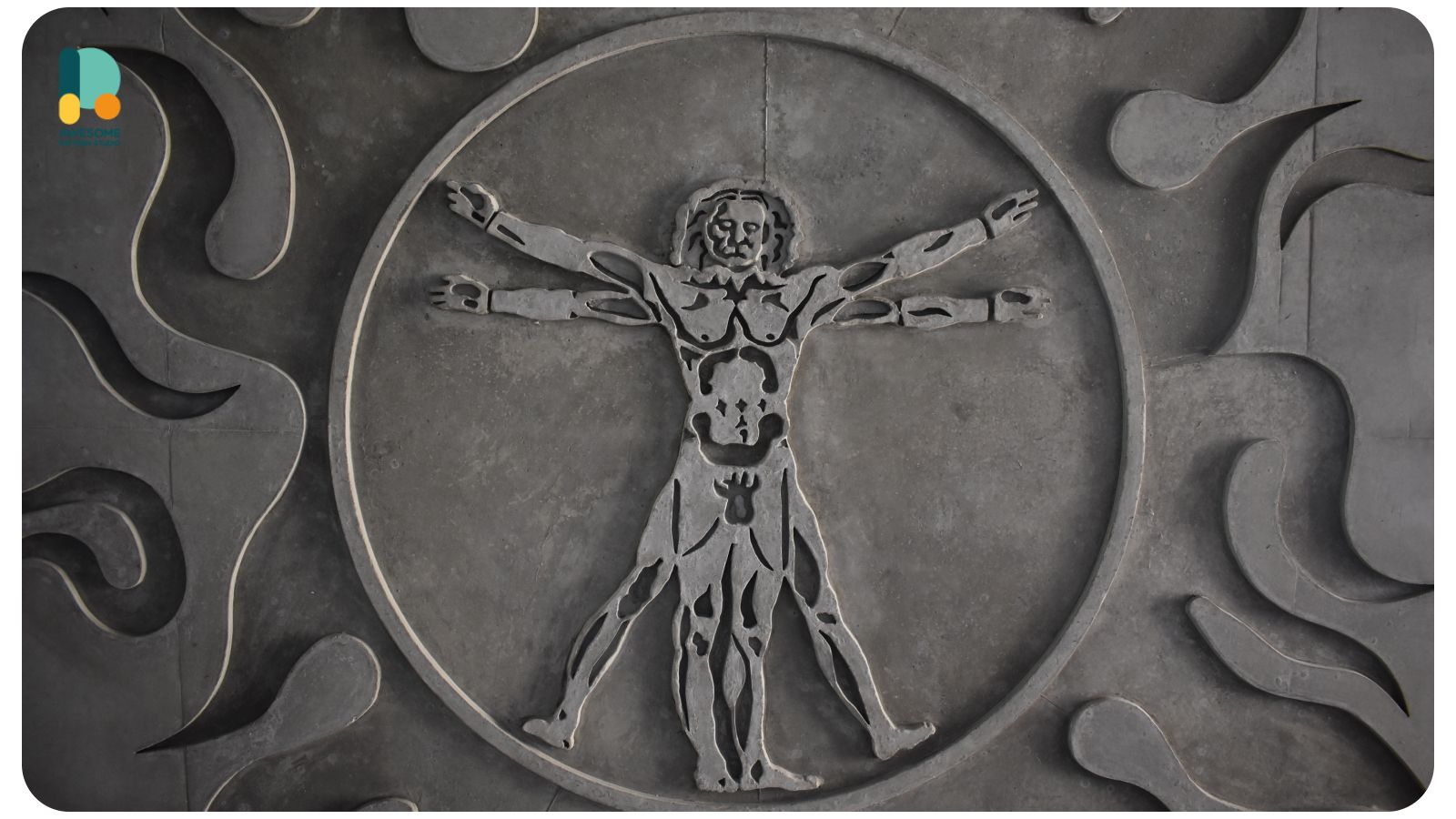
Throughout art history, several masterpieces showcase the seamless integration of mathematics. From the divine proportions in Leonardo da Vinci's "Vitruvian Man" to the geometric precision in Islamic art, these examples highlight the universal language shared by math and art.
CREATING YOUR OWN GEOMETRIC ART
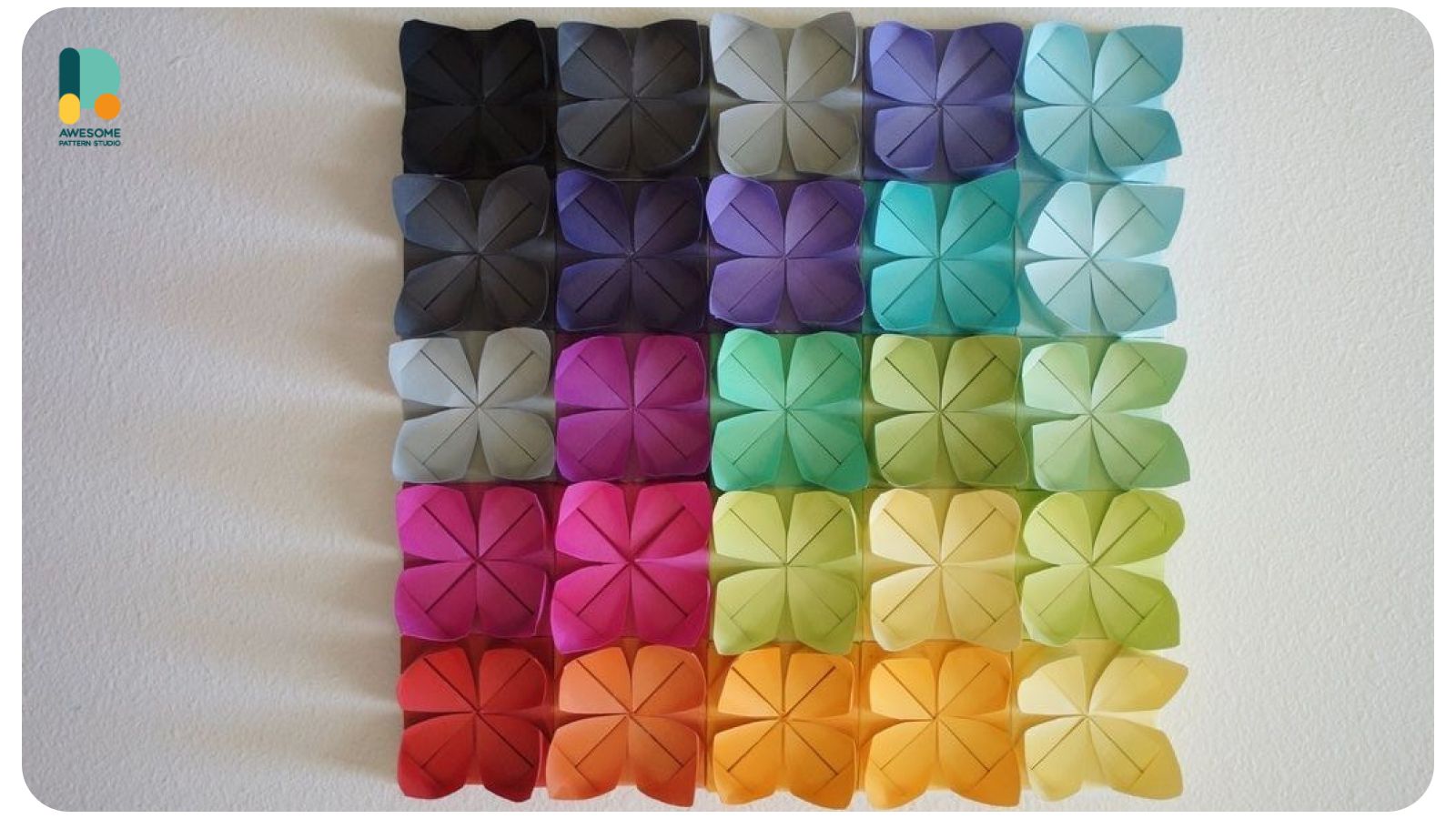
Venturing into the realm of geometric art doesn't require a math degree. This section provides a step-by-step guide for both beginners and seasoned artists, encouraging them to experiment with shapes, angles, and mathematical concepts to create their unique pieces.
MATHEMATICS AS A CREATIVE CATALYST
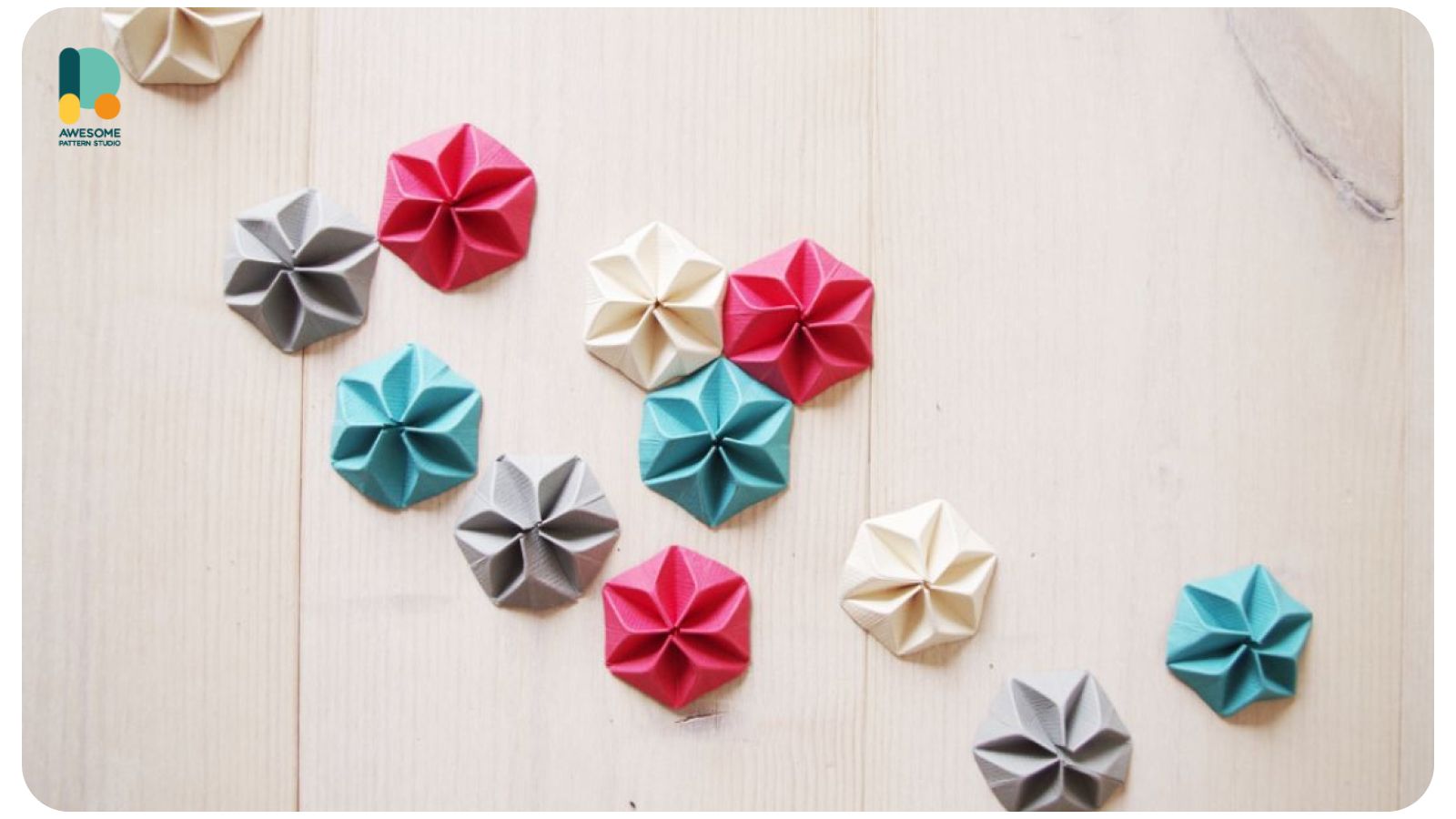
For many artists, mathematics serves as a wellspring of inspiration. Interviews with contemporary creatives reveal how mathematical concepts fuel their imaginative processes, leading to the creation of art that transcends conventional boundaries.
CHALLENGES AND BENEFITS
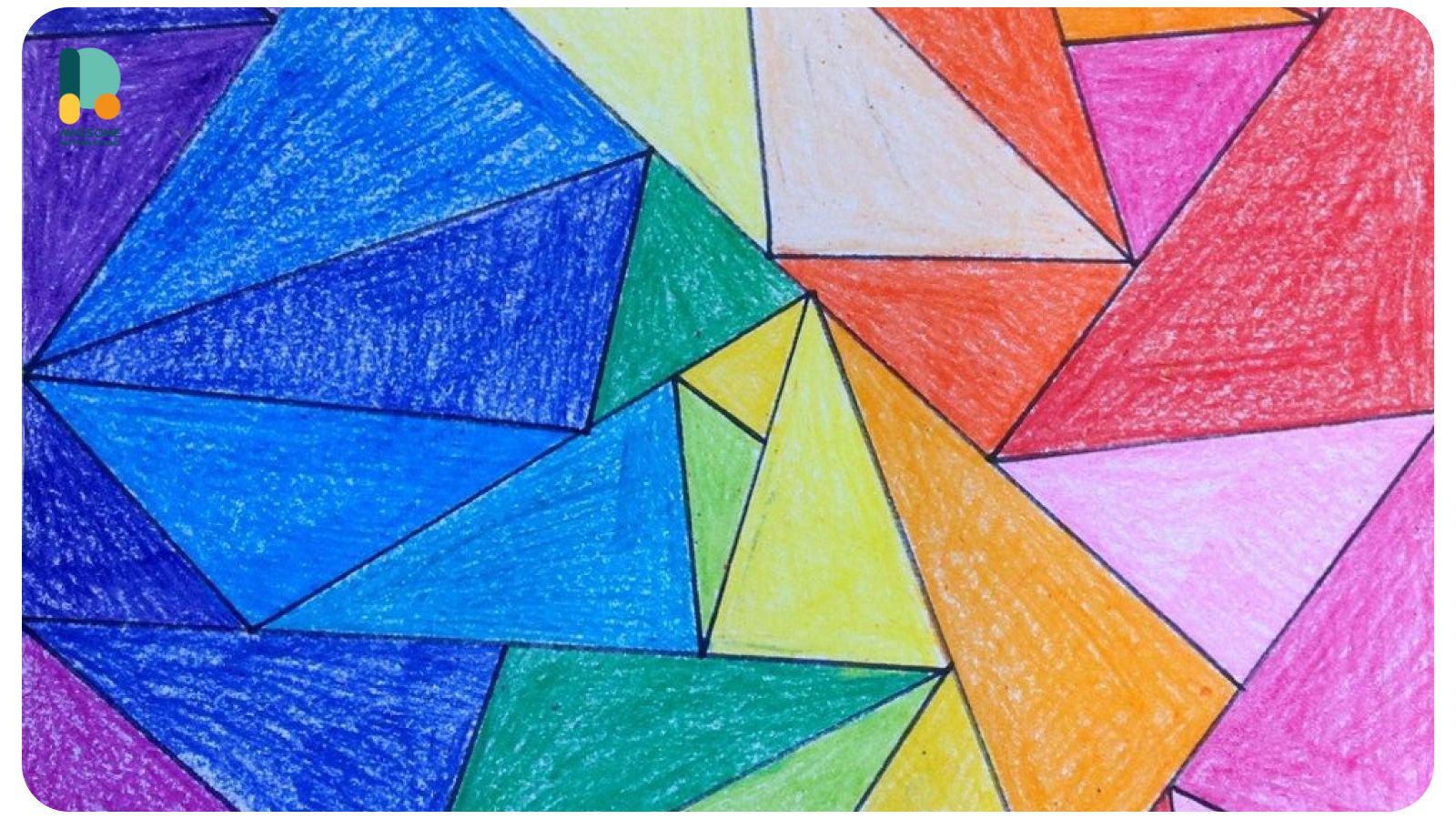
While the integration of math in art poses challenges, such as balancing precision with creative freedom, the benefits are manifold. The synergy between these disciplines enriches artistic expressions, offering a unique perspective that resonates with both the artist and the audience.
INTERACTIVE LEARNING: WORKSHOPS AND COURSES
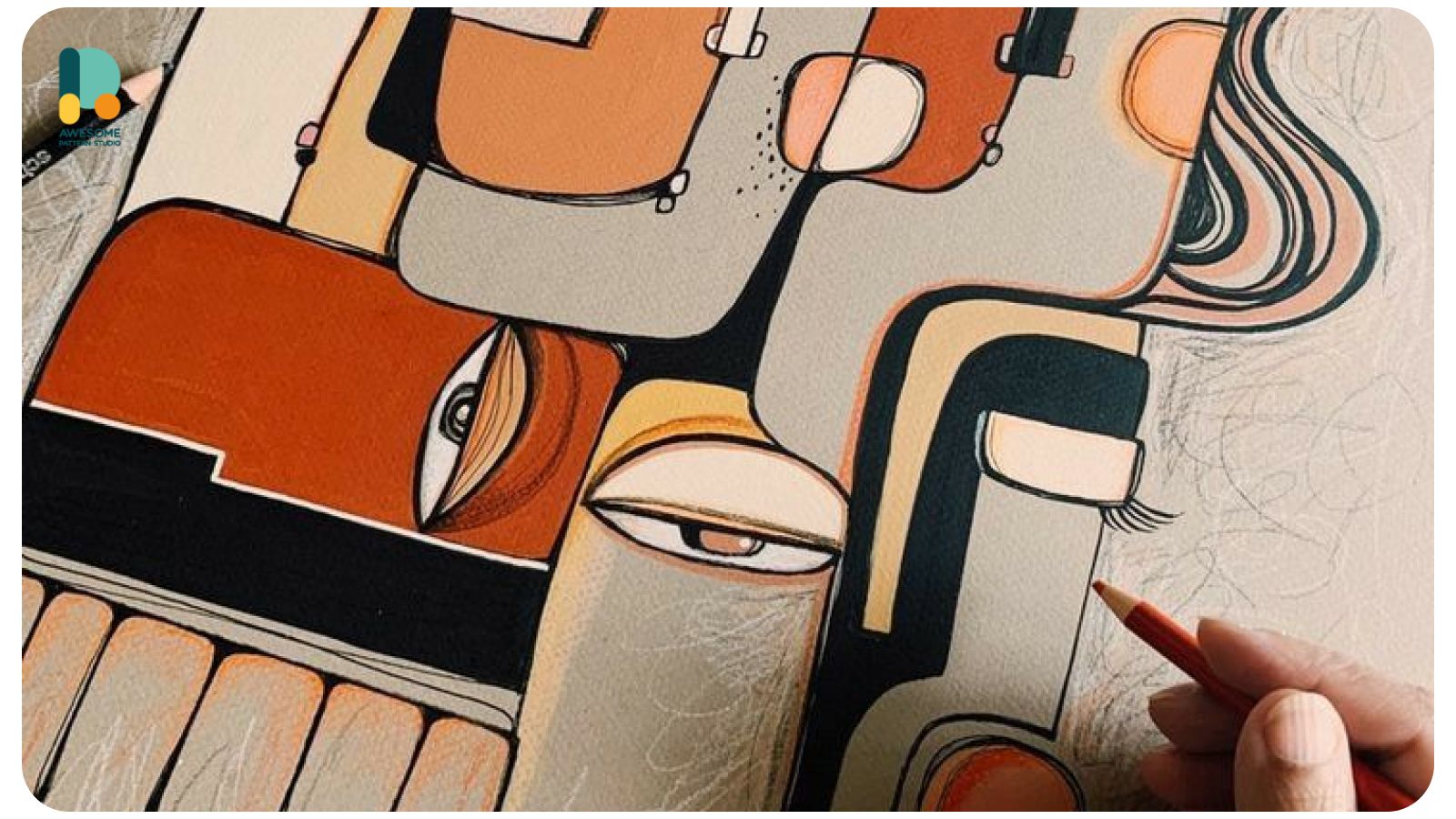
Readers eager to explore the marriage of math and art firsthand can find valuable resources online. Workshops and courses dedicated to geometric art provide a structured learning environment, empowering individuals to embark on their creative journey.
IMPACT ON EDUCATION
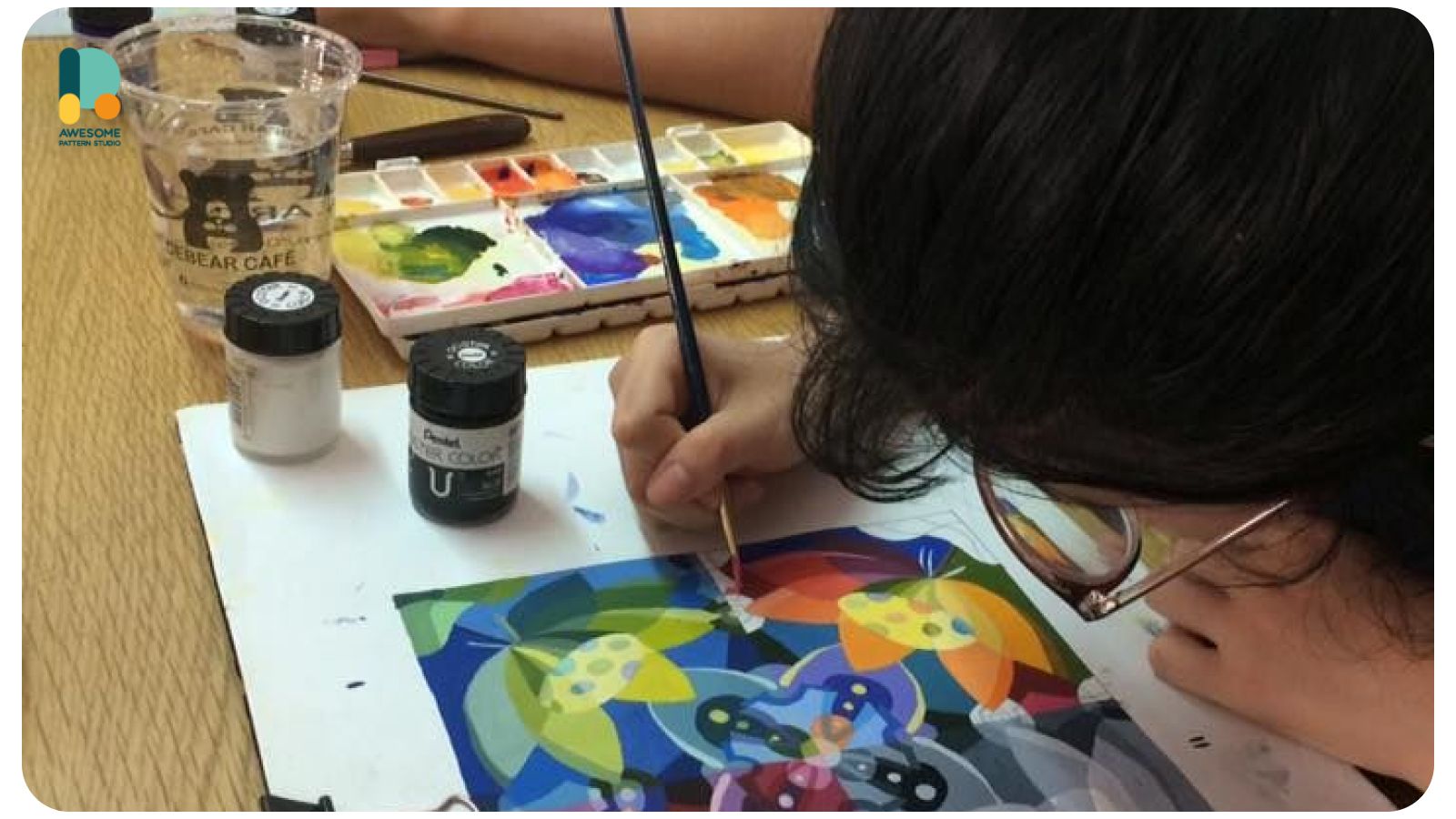
Incorporating math in art education proves to be a powerful pedagogical approach. Students engaged in the combined study of these disciplines develop a holistic understanding, fostering creativity, critical thinking, and a deeper appreciation for both subjects.
FUTURE TRENDS
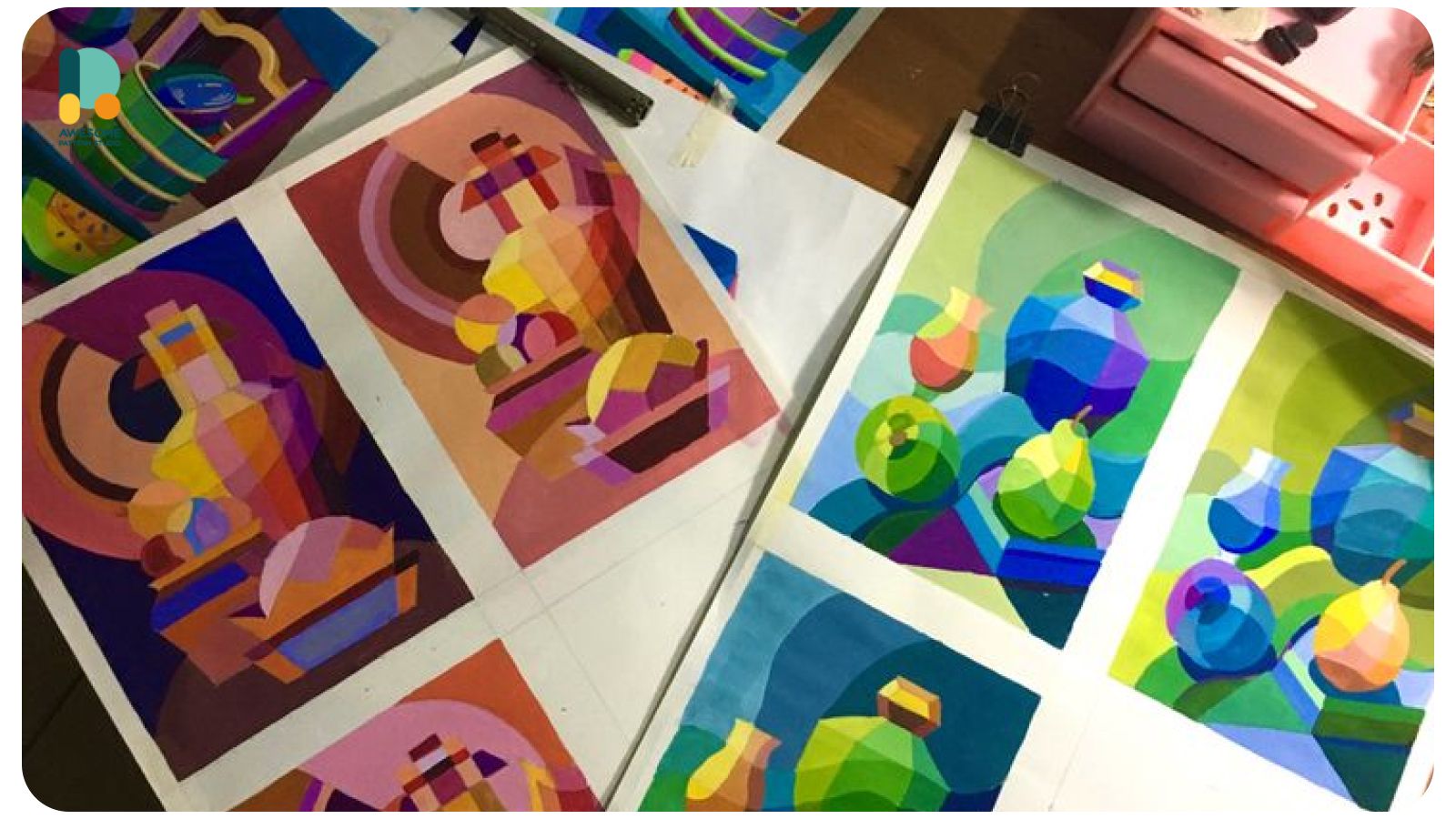
As technology continues to advance, the synergy between math and art is poised for exciting developments. Virtual reality, generative algorithms, and interactive installations hint at the limitless possibilities awaiting artists exploring the convergence of these disciplines.
CASE STUDY: MODERN ARTISTS AND THEIR USE OF MATH
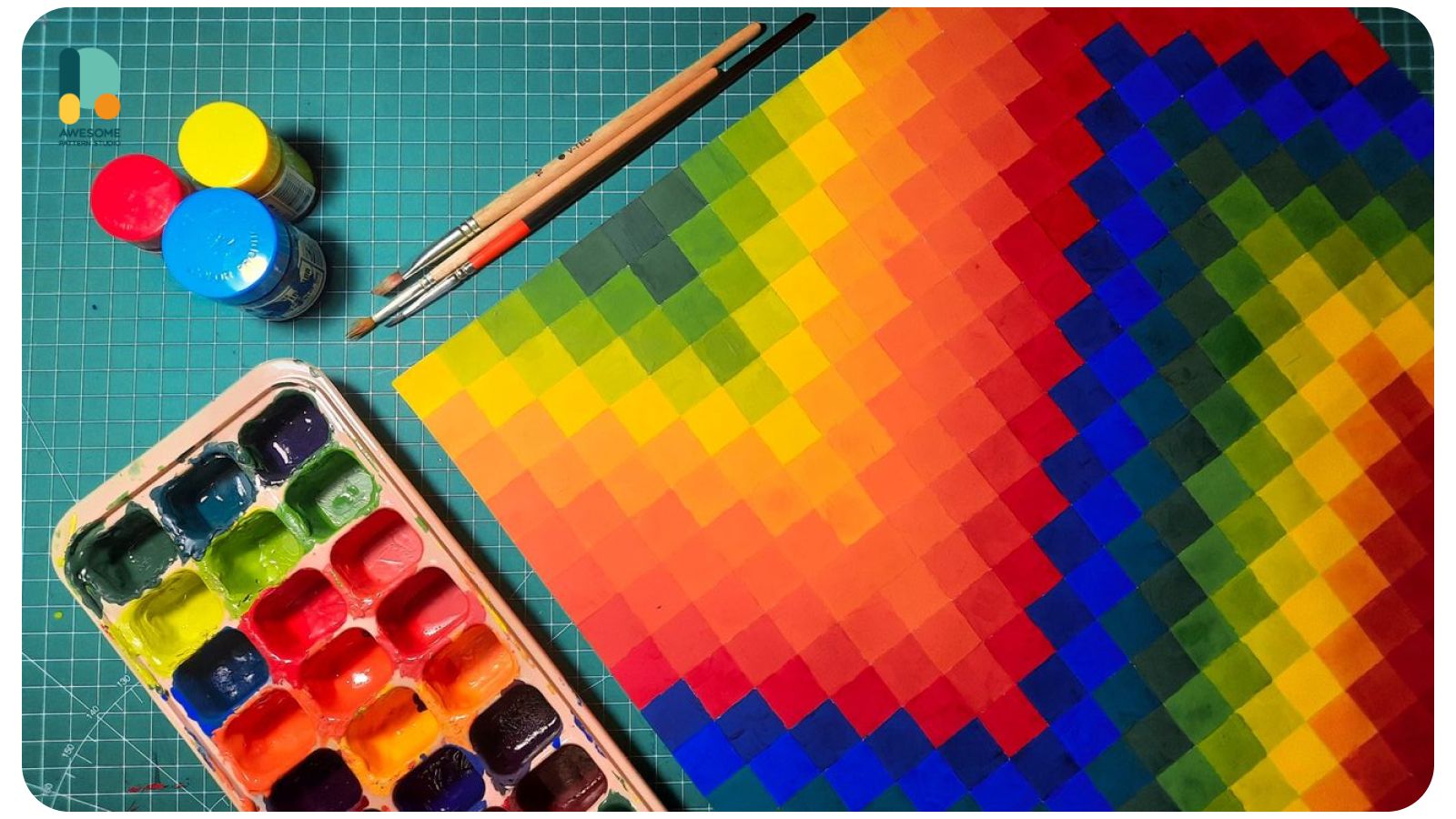
Contemporary artists push the boundaries of creativity by embracing mathematical concepts. Examining specific pieces allows us to unravel the mathematical intricacies within the work of artists who redefine the relationship between math and art in the 21st century.
COMMUNITY ENGAGEMENT: MATH-ART EXHIBITIONS
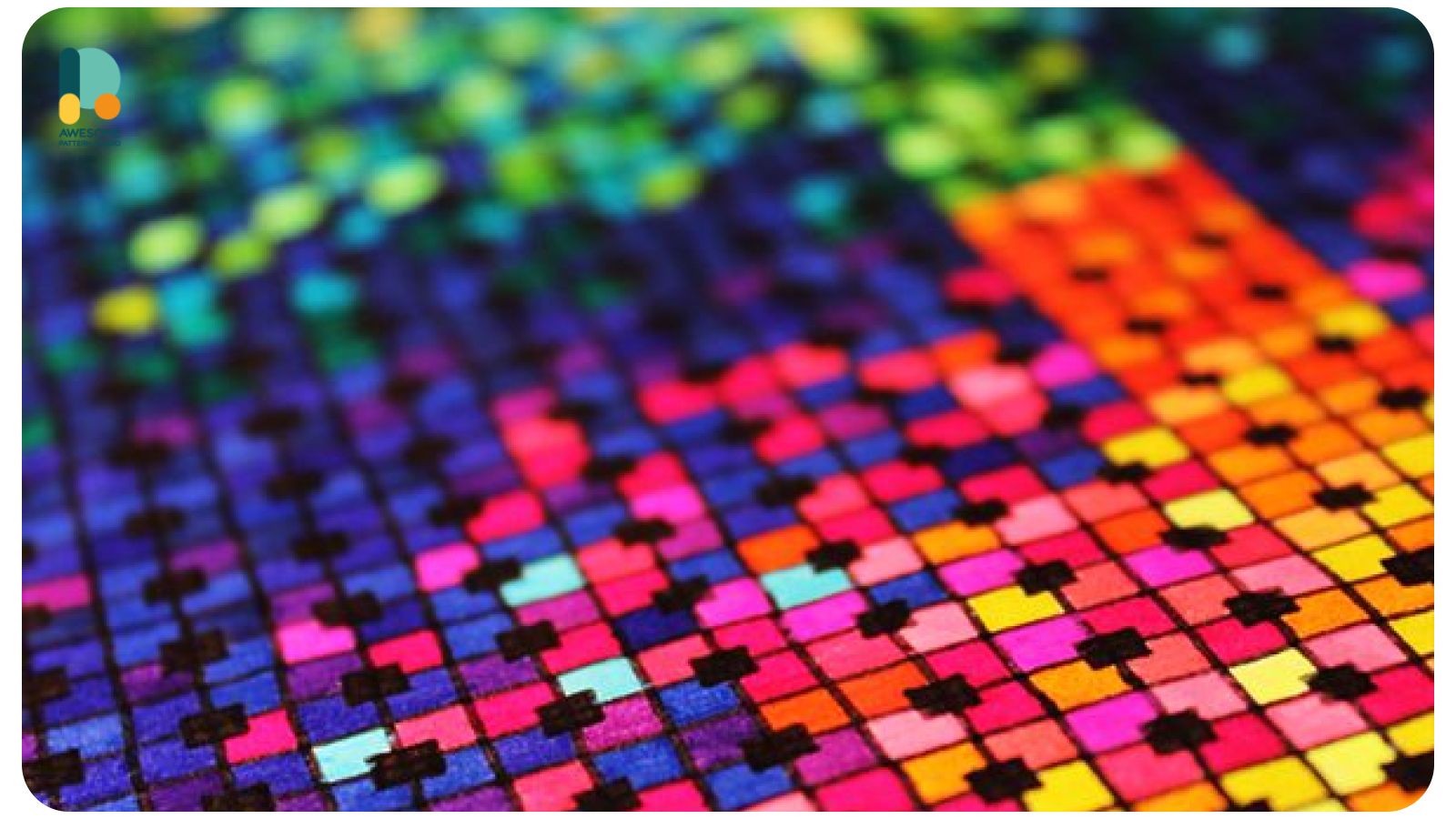
The article encourages readers to actively participate in events and exhibitions celebrating the union of math and art. These gatherings serve as platforms for artists to showcase their work, fostering a community that appreciates the beauty arising from the synergy of mathematics and artistic expression.
In conclusion, the integration of math in art, particularly through geometric patterns and tessellations, unveils a realm of boundless creativity. From historical masterpieces to contemporary innovations, the marriage of these disciplines continues to inspire and captivate. As we navigate the intricate threads connecting math and art, we discover a rich tapestry that speaks to the shared essence of human expression.
INCORPORATING MATH IN ART: GEOMETRIC PATTERNS AND TESSELLATIONS
Art and mathematics, seemingly distinct realms, share a fascinating connection that has intrigued creatives throughout history. This article delves into the intriguing intersection of math and art, with a focus on geometric patterns and tessellations, exploring their historical significance, principles, and the impact on contemporary artistic expressions.