


What is Mindfulness? Mindfulness is the practice of intentionally focusing one's attention on the present moment without judgment.

It involves bringing awareness to our thoughts, feelings, bodily sensations, and the surrounding environment. By cultivating mindfulness, we can develop a deeper understanding of ourselves and the world around us.
The Benefits of Mindfulness. Mindfulness has numerous benefits for our mental, emotional, and physical well-being. It can reduce stress, anxiety, and depression, improve attention and concentration, enhance self-awareness and empathy, and promote overall happiness and life satisfaction.

Mindful Breathing Techniques. One of the simplest ways to cultivate mindfulness is through mindful breathing techniques. By paying attention to our breath, we can anchor ourselves in the present moment and calm our minds. Practice deep belly breathing, where you inhale slowly through your nose, allowing your belly to expand, and exhale fully through your mouth, releasing any tension or stress.
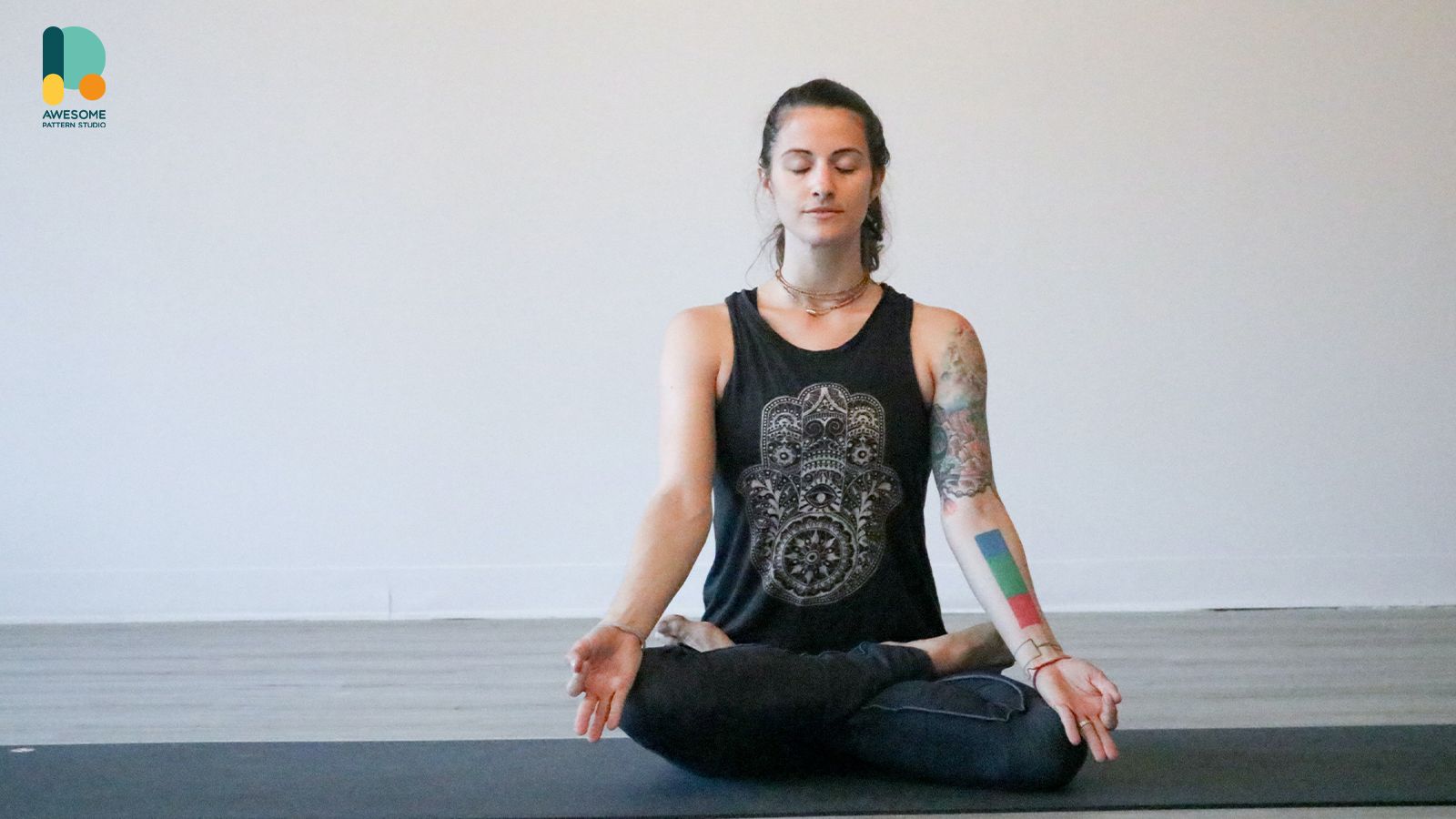
Bringing Mindfulness to Daily Activities. Mindfulness can be incorporated into various daily activities, such as walking, eating, and even washing dishes. Instead of being on autopilot, bring your full attention to the activity at hand. Notice the sensations, smells, and textures. Engage all your senses and savor the present moment.

Mindful Eating for Health and Well-being. Eating mindfully involves paying close attention to the taste, texture, and aroma of each bite. Slow down, chew your food thoroughly, and savor each mouthful. Notice the sensations in your body as you eat. By practicing mindful eating, you can develop a healthier relationship with food and make more conscious choices.

Practicing Mindfulness in Relationships. Mindfulness can greatly enhance our relationships by improving communication, empathy, and understanding. When interacting with others, be fully present and listen attentively. Notice your own reactions and emotions without judgment. Practice compassion and kindness towards yourself and others.

Mindfulness and Stress Reduction. Stress has become a common part of modern life, but mindfulness offers effective strategies for stress reduction. By cultivating mindfulness, we can develop a greater sense of resilience and learn to respond to stressors with clarity and calmness. Practice mindfulness meditation or engage in activities that bring you joy and relaxation.

Mindful Technology Use. In today's digital age, technology can often be a source of distraction and mindlessness. However, we can bring mindfulness to our technology use by setting boundaries and being intentional. Practice mindful scrolling by taking breaks, limiting screen time, and being aware of how certain content makes you feel.

Mindfulness Exercises for Beginners. If you're new to mindfulness, here are a few exercises to get you started:
- Body scan meditation: Bring your attention to different parts of your body, noticing any sensations or areas of tension.
- Mindful walking: Pay attention to the sensation of each step as you walk, feeling the connection between your feet and the ground.
- Loving-kindness meditation: Extend well-wishes and compassion to yourself and others, cultivating feelings of love and kindness.