



WHAT MAKES MANDALAS UNIQUE IN CROSS-STITCHING?
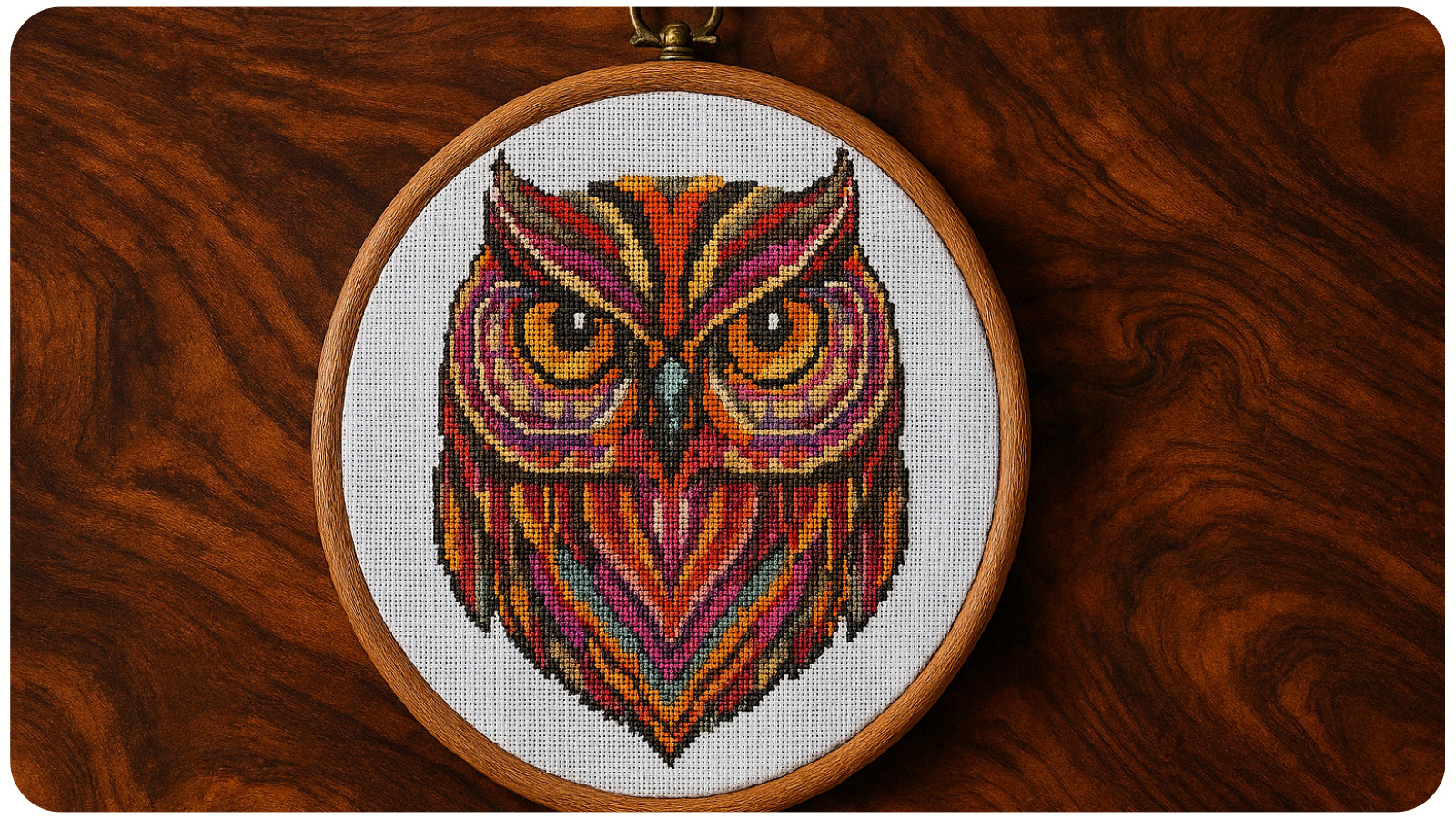
Unlike most linear cross-stitch designs, mandalas thrive on radial symmetry. The art is built from a central point and radiates outward with repetitive patterns. This makes them visually satisfying and perfectly suited for circular compositions.
Each layer of a mandala contributes to a greater meaning, often incorporating elements of nature, geometry, and color symbolism. The precision required to maintain balance challenges even experienced stitchers while rewarding them with mesmerizing results.
SYMBOLISM BEHIND COMMON MANDALA MOTIFS
Mandala elements each hold specific meanings:
- Lotus: Represents spiritual enlightenment and rebirth.
- Wheel (Dharmachakra): Signifies the cycle of life and the path to truth.
- Sun: A symbol of life energy and positivity.
- Flower Petals: Indicate growth, fertility, and the blossoming of life.
- Spiral: Denotes evolution, change, and consciousness.
- Eye: Suggests protection and divine awareness.
When stitching a mandala, choosing motifs based on their symbolism allows you to infuse deeper personal or spiritual meaning into your work.
CHOOSING THE RIGHT MANDALA PATTERN
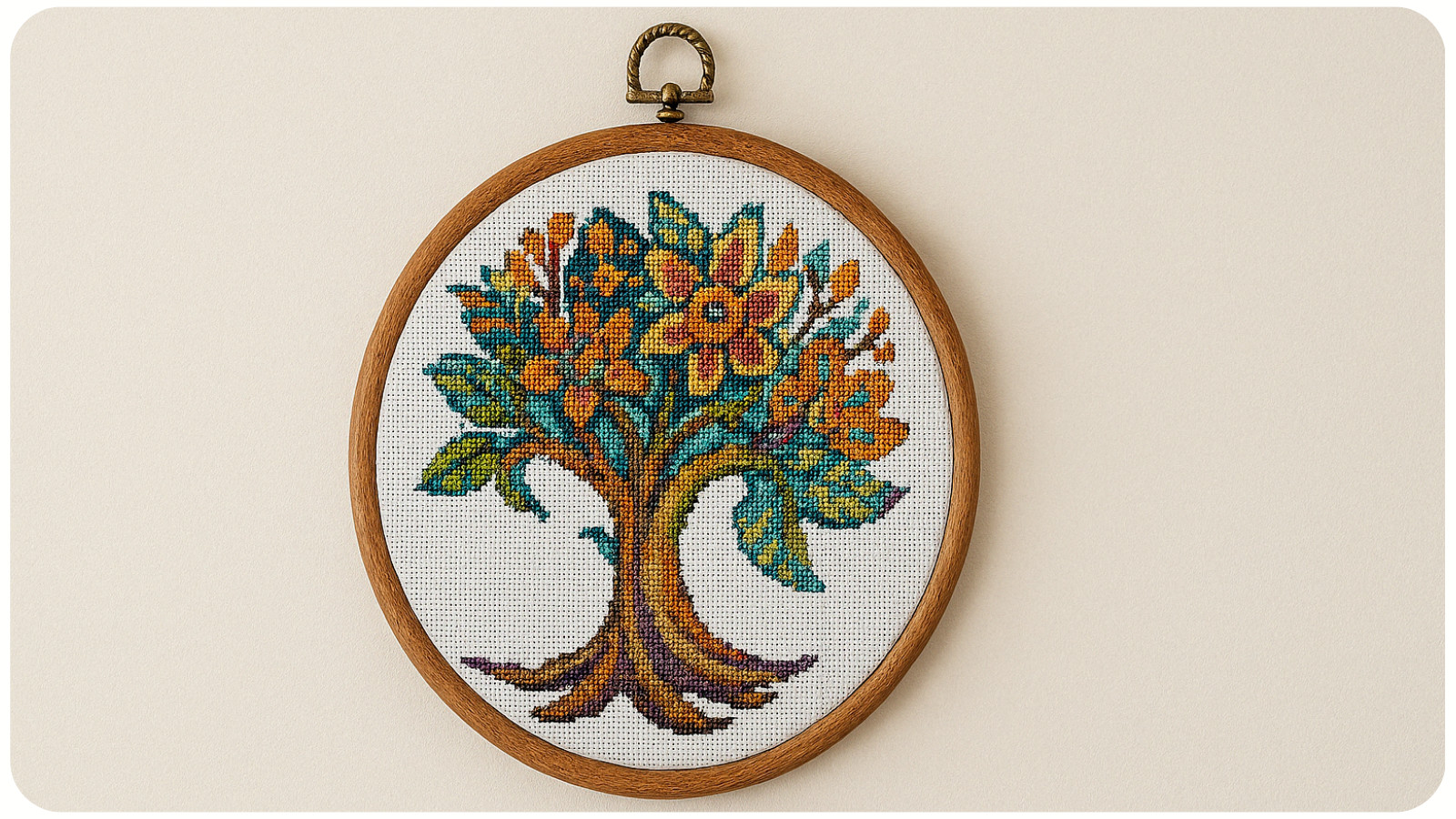
Beginners should start with simpler patterns—maybe a 50x50 grid with minimal color changes. Look for symmetrical shapes with clear color blocks. Advanced crafters may enjoy multi-color or 3D illusion-style mandalas.
Learning to read a cross-stitch chart is essential. These patterns use symbols or color codes to represent each stitch and thread. It's like learning a visual language, and once you understand it, you're free to explore limitless designs.
MATERIALS YOU’LL NEED FOR CROSS-STITCHING MANDALAS
Having the right tools is crucial to successfully stitching a mandala. Here's a breakdown of essentials:
Fabric Types
- Aida Cloth: The most common fabric for cross-stitching. Aida comes in different counts (e.g., 14-count means 14 holes per inch).
- Evenweave and Linen: Best for more advanced stitchers looking for a finer finish and more flexible grid.
Needles
- Use tapestry needles with a blunt tip and a large eye to accommodate embroidery floss.
- Sizes 24 to 26 are ideal for mandala cross-stitching.
Hoops and Frames
- An embroidery hoop keeps your fabric taut, making it easier to maintain precision.
- Q-snaps and scroll frames are alternatives for larger or more intricate mandalas.
Floss and Thread Types
- DMC, Anchor, and Cosmo are popular brands.
- Consider metallic, variegated, or glow-in-the-dark threads to add visual interest to specific mandala elements.
COLOR THEORY IN MANDALA CROSS-STITCHING
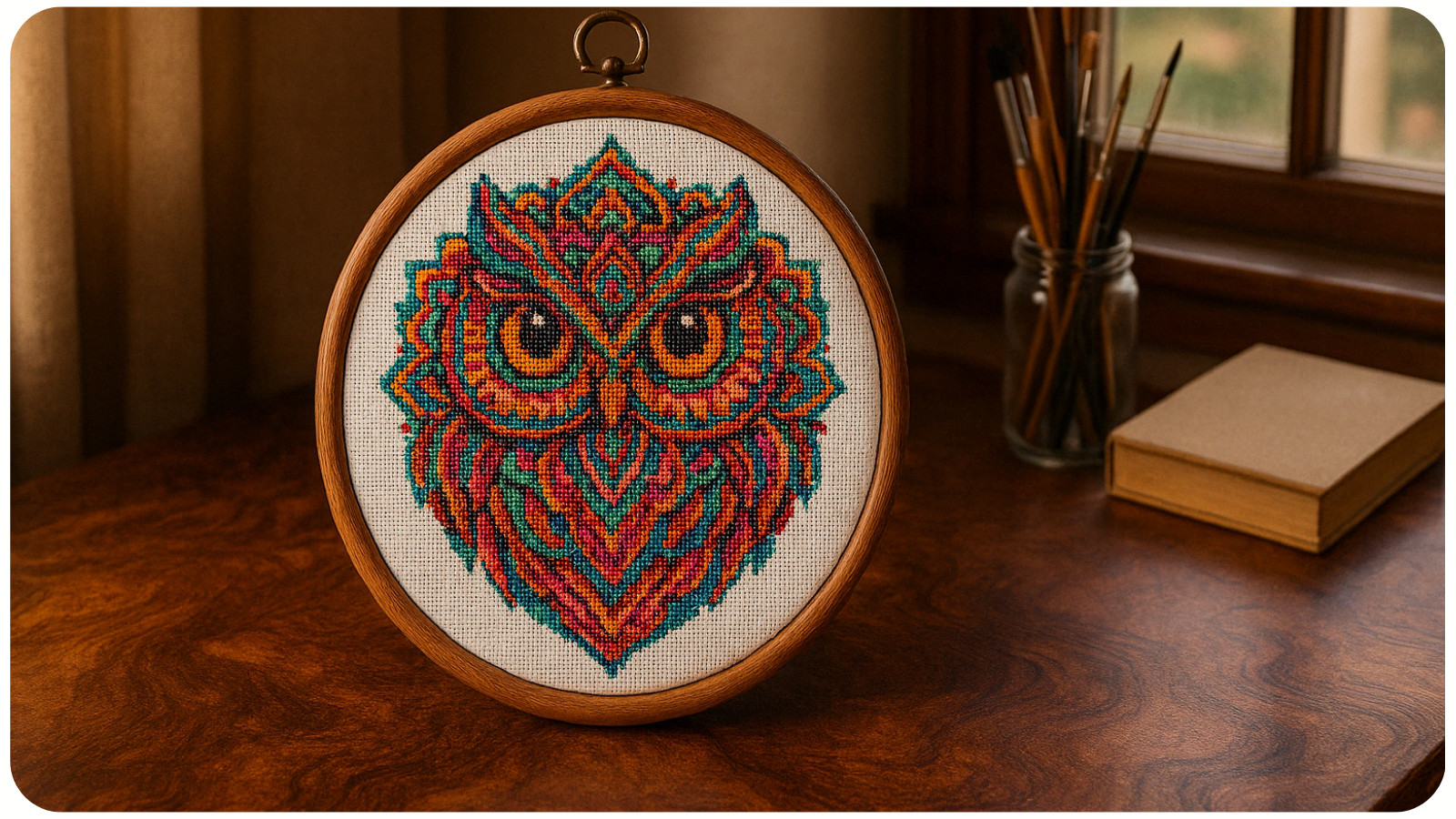
Colors evoke emotions and meaning—especially in mandalas.
- Warm colors (red, orange, yellow): Energizing, joyful, assertive.
- Cool colors (blue, green, purple): Calming, introspective, spiritual.
- Black and white: Often used for contrast, grounding, or symbolism of duality.
A balanced mandala uses complementary and contrasting colors to achieve harmony. Consider using a color wheel to plan your palette.
BASIC CROSS-STITCH TECHNIQUES
Even though mandalas appear complex, they’re stitched using a few core techniques:
- Full Cross Stitch: The “X” shape that forms the design's foundation.
- Half Stitch and Quarter Stitch: Useful for curves and intricate detailing.
- Backstitching: Adds definition to borders and enhances motifs.
- French Knots: Adds texture, often used for flower centers or embellishments.
Pro Tip: Always stitch in the same direction (e.g., bottom left to top right, then bottom right to top left) for a neat and uniform appearance.
ADVANCED TECHNIQUES FOR MANDALA DESIGNS
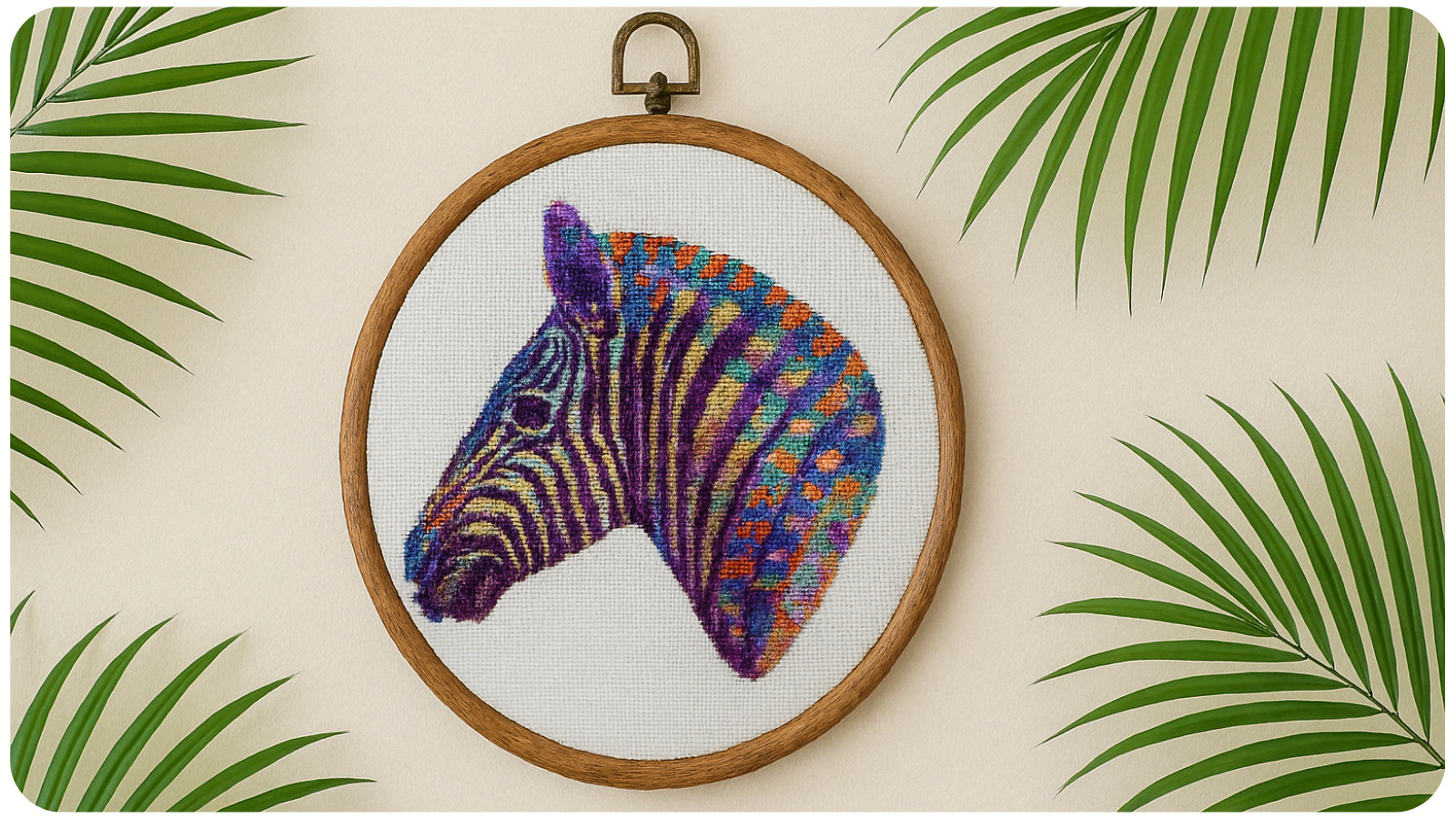
For more dynamic and realistic designs, advanced stitchers can incorporate:
- Blended Threads: Mixing two colors of floss for shading effects.
- Beading: Embellishments add sparkle and tactile dimension.
- Fractional Stitches: Useful in detailed areas for a smoother look.
You might also use metallic threads sparingly to highlight celestial or spiritual motifs within the mandala.
HOW TO MAINTAIN SYMMETRY IN CIRCULAR DESIGNS
Maintaining balance is crucial:
1. Center your fabric: Always begin stitching at the center of the mandala to ensure even spacing.
2. Use grid lines: Lightly mark the fabric with water-soluble pens to ensure alignment.
3. Check your work frequently: Step back to assess symmetry after every few rings or layers.
MANDALA COMPOSITION TIPS FOR STITCHERS
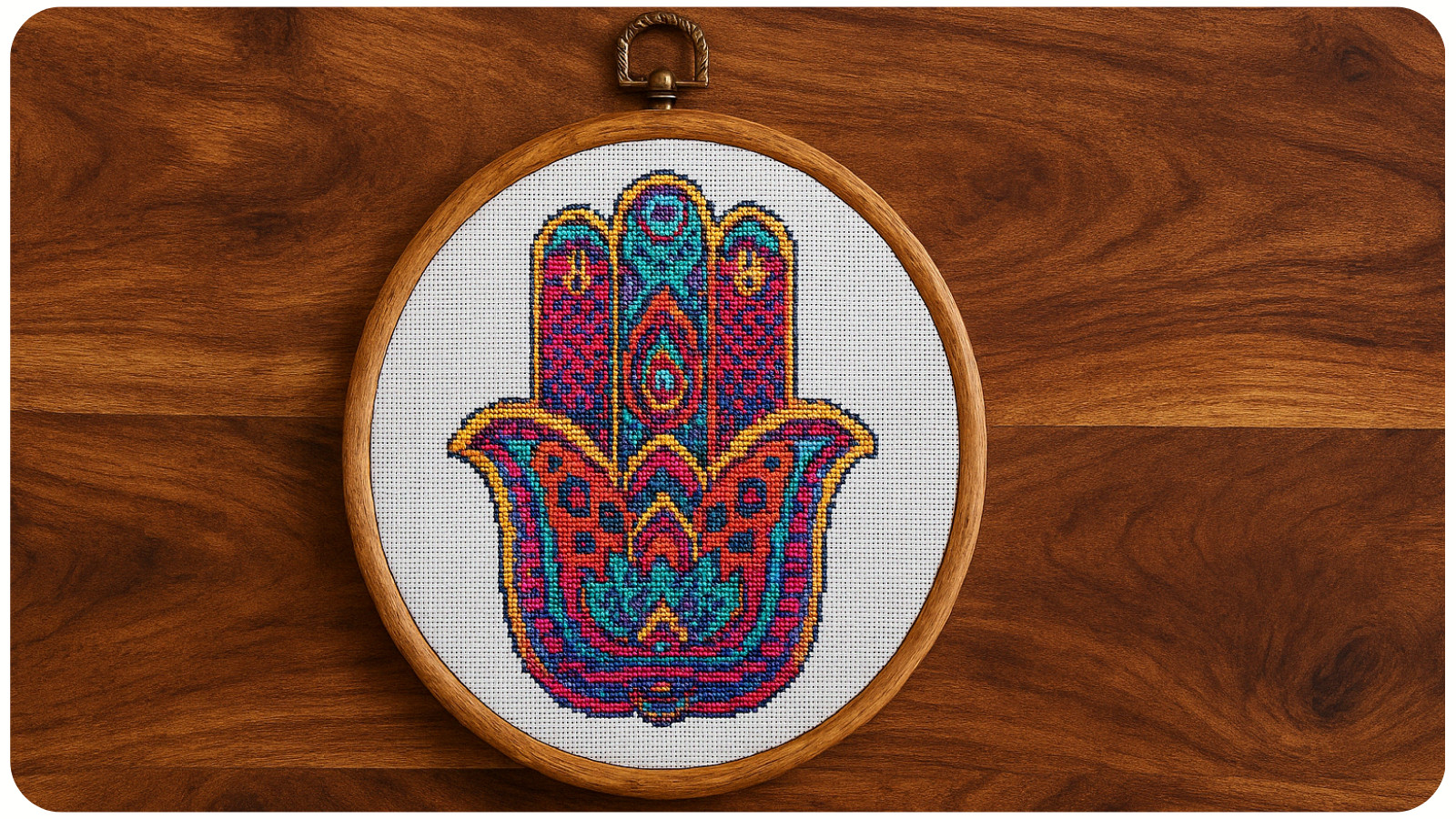
A beautifully composed mandala balances simplicity and complexity:
- Foreground vs. Background: Use lighter shades for backgrounds and darker, bolder colors to bring the center forward.
- Layering Techniques: Build depth by starting with base patterns and adding smaller motifs over time.
- Fractal Elements: Repeat smaller patterns within larger circles to create unity.
MEDITATION THROUGH STITCHING
Cross-stitching mandalas isn't just an artistic exercise—it’s therapeutic.
- Mindful Stitching: Focusing on each stitch helps reduce stress and anxiety.
- Creative Flow: Losing track of time while immersed in stitching is a form of meditative “flow.”
- Emotional Expression: Colors and shapes can reflect your emotions and inner state.
Many stitchers report a sense of calm and clarity after working on a mandala, making it a favorite project for mental wellness.
POPULAR THEMES IN MANDALA CROSS-STITCH KITS
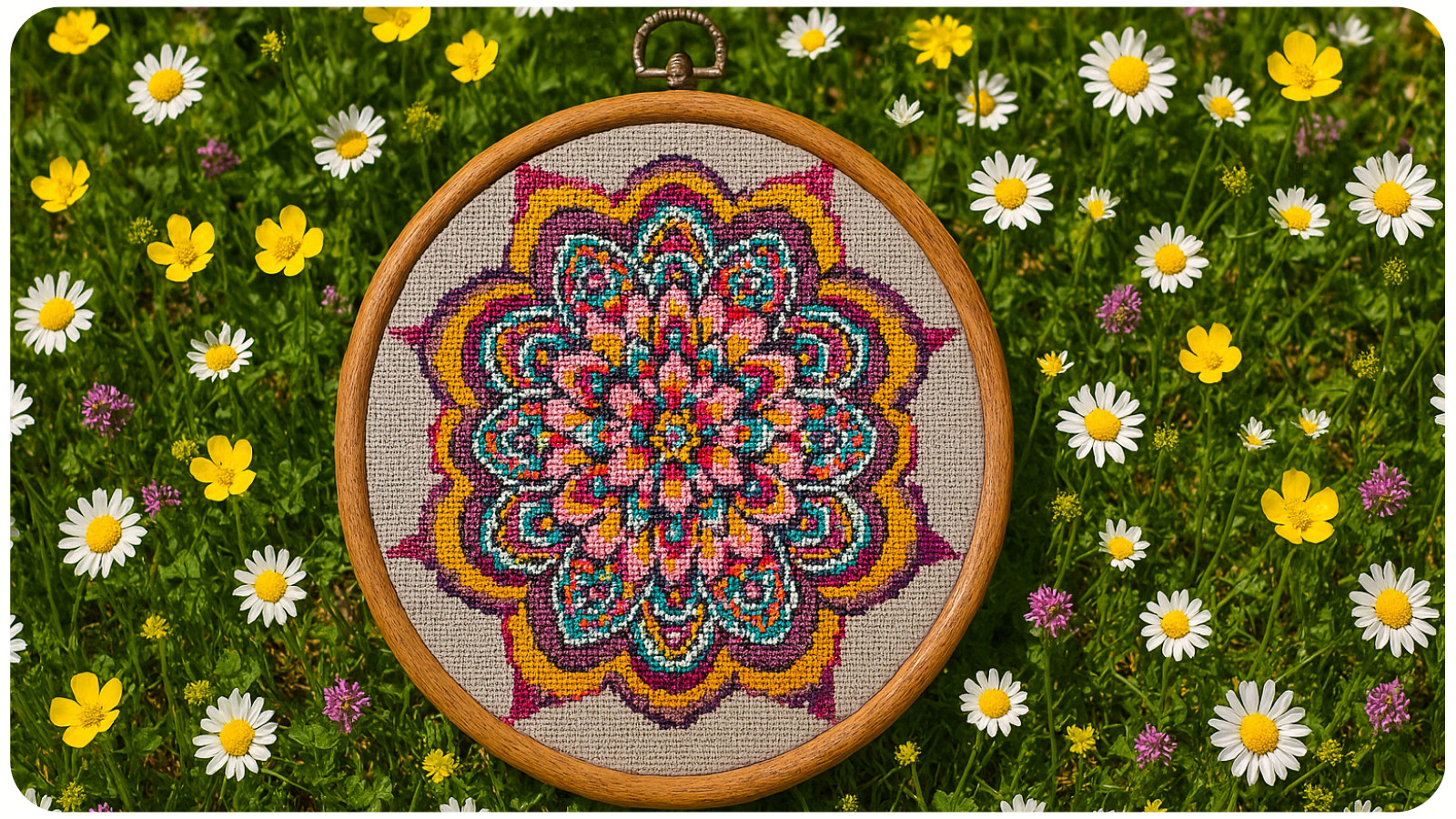
Modern kits often include themes such as:
- Nature Mandalas: Flowers, leaves, animals.
- Zodiac and Chakra Mandalas: Spiritually themed with symbols and meanings.
- Geometric Designs: Purely mathematical and visually balanced.
- Seasonal Mandalas: Featuring snowflakes, blossoms, sun motifs, or harvest tones.
These themes help you choose a pattern that resonates with your purpose or mood.
FRAMING AND DISPLAYING YOUR FINISHED WORK
Once your mandala is complete, showcasing it properly elevates its impact. Here are some popular display options:
Embroidery Hoop Framing
- Quick and easy.
- Keeps the circular nature of the mandala intact.
- Ideal for casual wall décor or gifts.
Canvas Mounting
- Stretch your finished piece over a canvas frame.
- Adds a gallery-like look.
- Allows for hanging or propping on shelves.
Traditional Framing
- Use acid-free mats and glass for preservation.
- Choose a frame that complements your color palette.
- Ideal for heirlooms or formal displays.
Be sure to iron your piece gently (face down on a towel) before framing to eliminate wrinkles.
CARING FOR YOUR STITCHED MANDALA
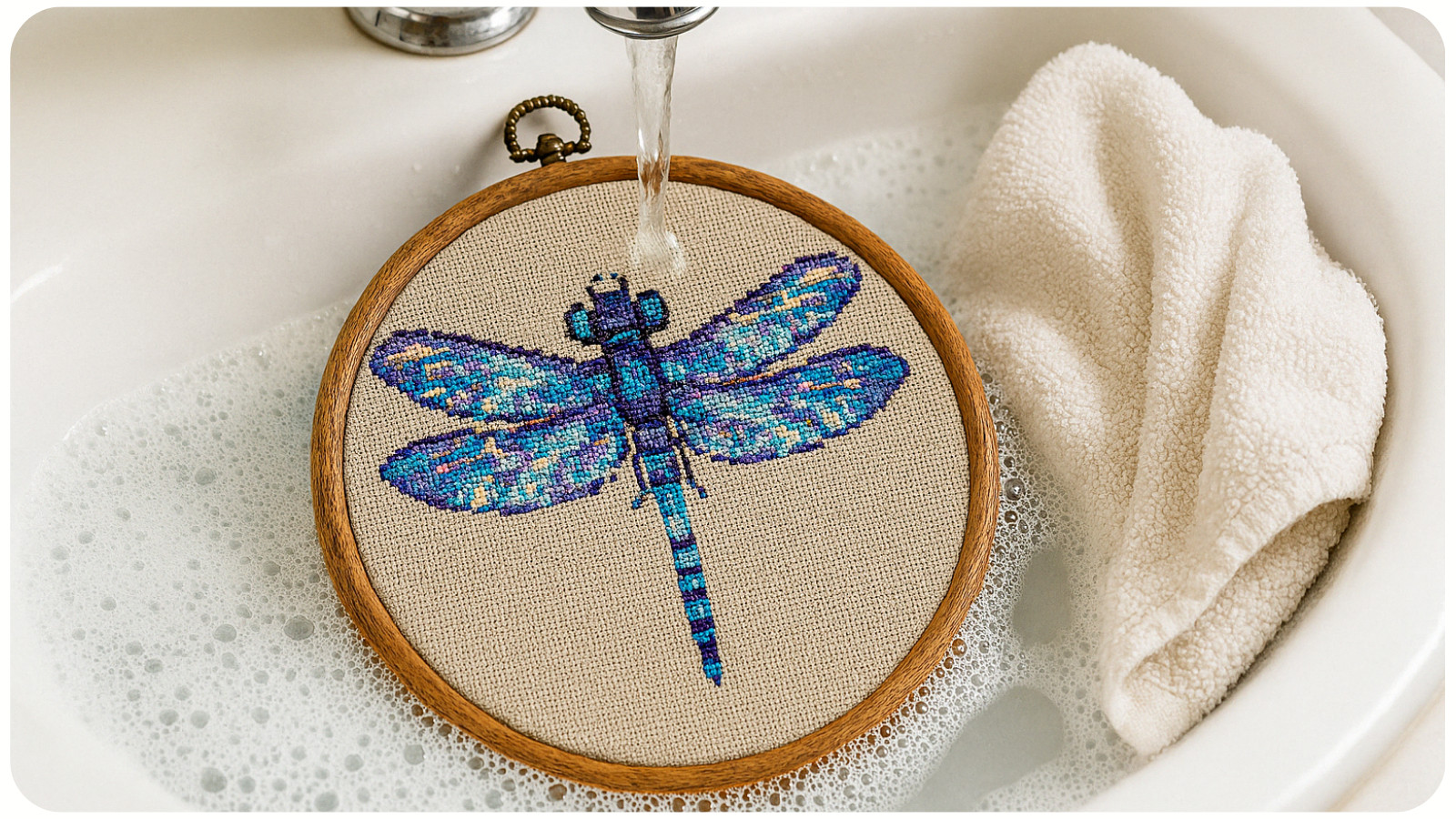
To maintain the longevity of your creation:
- Washing: Hand wash gently in lukewarm water with mild soap. Avoid scrubbing or wringing.
- Drying: Air dry flat on a clean towel—never hang.
- Ironing: Use a pressing cloth and press on the reverse side.
- Storage: Store in a clean, dry place away from sunlight and moisture. Use acid-free materials if storing long-term.
Proper care ensures your mandala remains vibrant and intact for years to come.
CROSS-STITCH MANDALAS AS GIFTS
A hand-stitched mandala makes a deeply meaningful gift. It’s personal, symbolic, and handmade—a trifecta of heartfelt creativity.
Gifting Occasions
- Weddings (symbolizing unity)
- Birthdays (personalized motifs)
- New homes (peace and harmony)
- Healing or memorials (restoration and reflection)
Customization Tips
- Incorporate initials or meaningful dates.
- Use the recipient’s favorite colors.
- Choose motifs that reflect their personality or beliefs.
These small touches turn your creation into a keepsake they’ll treasure forever.
MANDALAS IN GLOBAL CULTURES AND THEIR INFLUENCE ON MODERN STITCHING
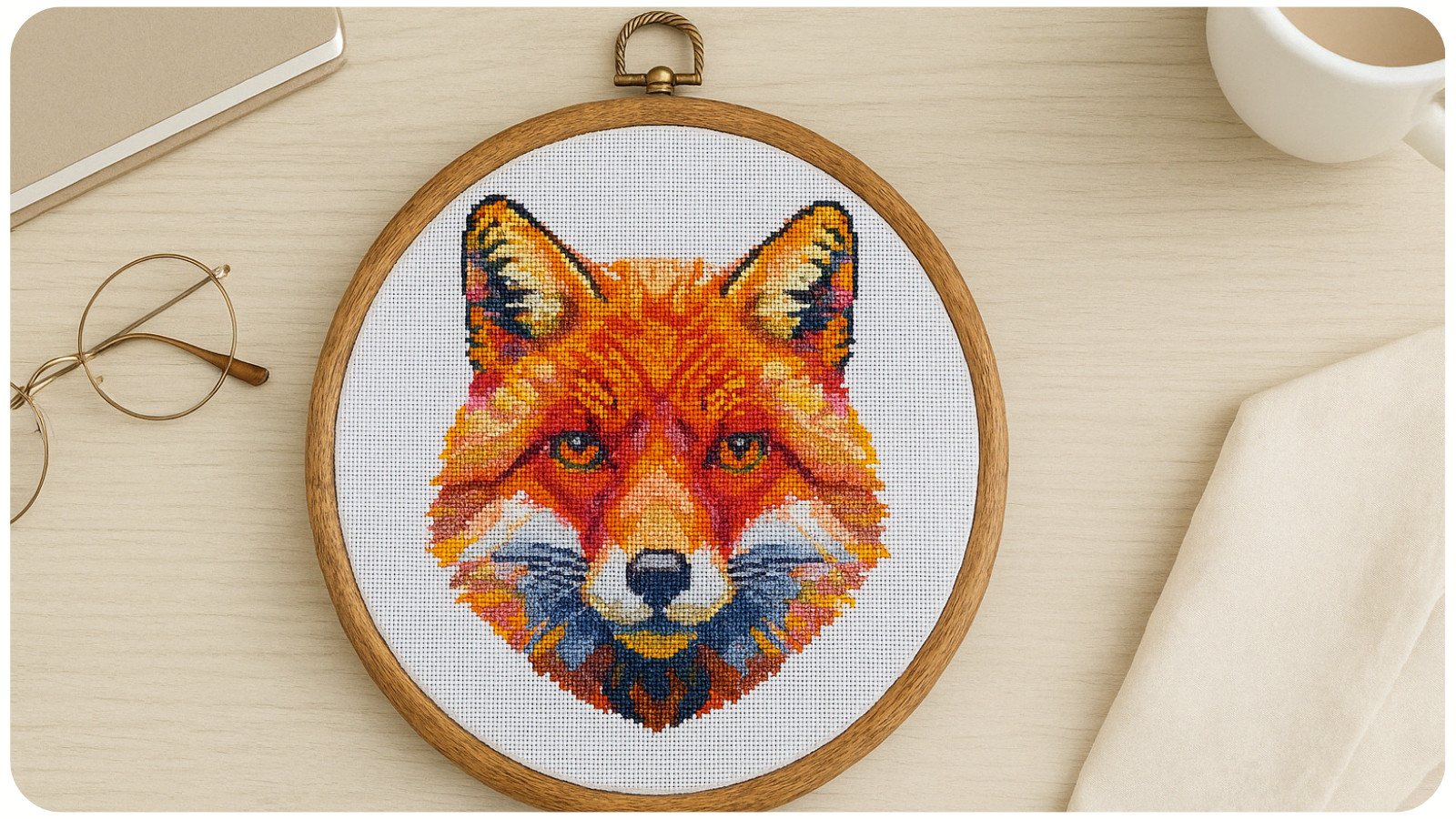
Mandalas appear across various cultures, each with its own interpretation and aesthetic:
- Tibetan Mandalas: Used in meditation, often incredibly intricate and symbolic.
- Indian Mandalas (Rangoli/Kolam): Decorative floor designs with rice flour or colored sand.
- Celtic Knots and Wheels: Symbols of eternity and interconnection.
- Native American Dreamcatchers: Circular with a central web, representing protection and spiritual guidance.
Modern cross-stitch mandalas often draw from these cultural patterns, adding spiritual and artistic depth to contemporary designs.
HOW TO DESIGN YOUR OWN MANDALA PATTERN
Feeling adventurous? Create your own cross-stitch mandala with these steps:
1. Start with a Sketch: Use graph paper to design symmetrical patterns radiating from a center.
2. Use Software: Programs like Stitch Fiddle, WinStitch, or PCStitch convert designs into cross-stitch charts.
3. Plan Colors Wisely: Limit your palette initially to avoid confusion.
4. Test Stitch: Try a small section first to assess thread combinations and density.
Designing your own mandala is not only creatively satisfying but allows for a fully personalized piece.
WHERE TO FIND MANDALA CROSS-STITCH PATTERNS ONLINE
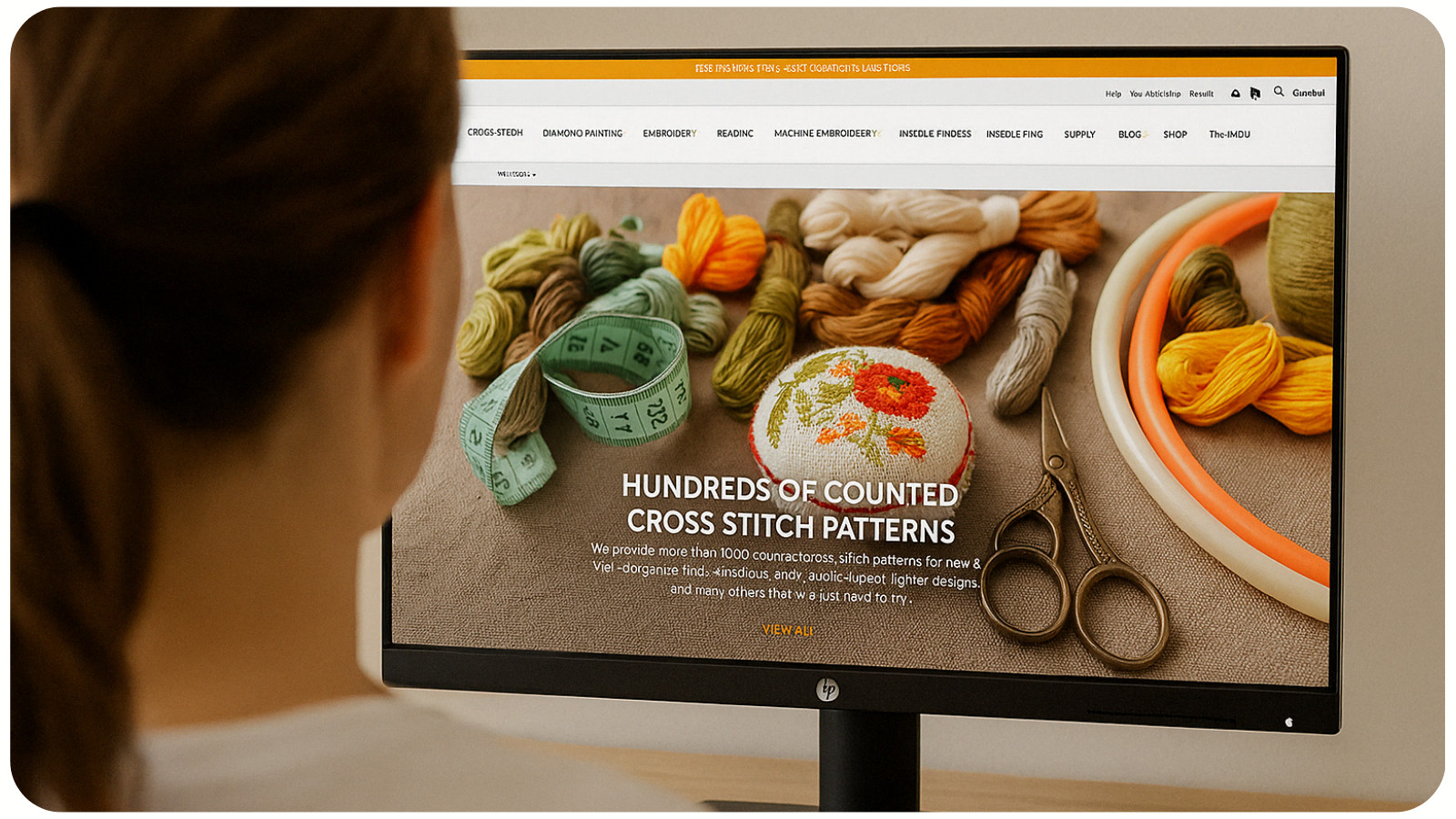
Here are trusted sources for finding or purchasing patterns:
- Etsy: Offers thousands of downloadable patterns, many from indie artists.
- Pinterest: A great place for inspiration and free chart links.
- Awesome Pattern Studio: You can see all our mandala designs here.
- Reddit (r/CrossStitch): A vibrant community with pattern recommendations and reviews.
- Stitching Apps: Stitchly and Cross Stitch Saga provide interactive pattern tracking.
Be sure to support designers by purchasing patterns legally and giving credit when sharing finished work.
COMMON MISTAKES TO AVOID WHEN STITCHING MANDALAS
Even experienced stitchers can run into trouble. Here’s what to watch out for:
- Miscounting Stitches: Leads to asymmetry. Double-check every layer.
- Incorrect Centering: Always find and mark the fabric center before you start.
- Inconsistent Tension: Pulling too tightly or loosely distorts the pattern.
- Skipping a Legend Check: Mixing up thread colors can alter the overall effect.
- Not Finishing Edges: Unfinished edges fray over time. Use fray check or a zigzag stitch.
Awareness of these issues can save time and frustration later.
CONCLUSION: EMBRACE THE ART AND SPIRIT OF MANDALA STITCHING
The Art of Cross-Stitching Mandalas: Symbolism and Techniques is a blend of creativity, culture, and contemplation. Whether you’re seeking mindfulness, decorative art, or a meaningful gift, mandala cross-stitching offers it all. With patience, the right tools, and a touch of imagination, your needle can become a meditative compass, guiding you through stitches of beauty and balance.