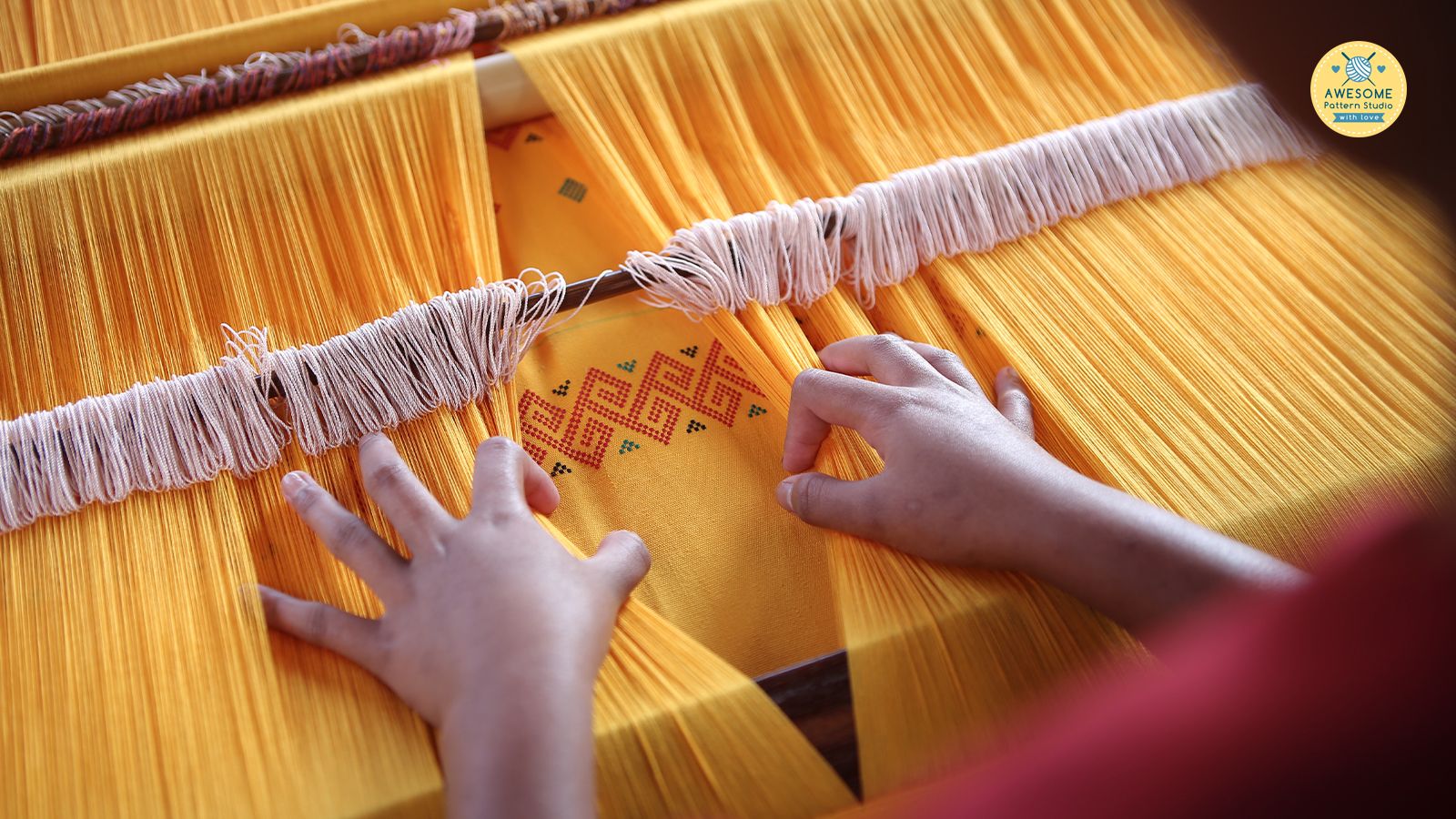

The earliest forms of handmade crafts can be traced back to ancient civilizations, where artisans created functional objects such as pottery, textiles, and jewelry. These crafts were often used in daily life and were also used in religious and ceremonial contexts.
As civilizations developed, so did the techniques and styles of handmade crafts. In the Middle Ages, guilds were formed to promote and protect the interests of artisans, and apprenticeships were established to pass on traditional techniques to the next generation.
During the Industrial Revolution in the 18th and 19th centuries, handmade crafts faced competition from mass-produced goods. However, a renewed interest in traditional art forms emerged in the late 19th and early 20th centuries, with the Arts and Crafts movement, which celebrated the beauty and simplicity of handmade crafts and encouraged a return to traditional techniques.
Today, handmade crafts and traditional art forms continue to evolve and adapt to changing cultural and economic conditions. Many artisans use traditional techniques to create contemporary designs, and there is a growing market for handmade crafts as consumers seek unique, high-quality products.
In addition to economic value, traditional art forms and crafts also have significant cultural, social, and often spiritual value. They help to preserve cultural heritage, promote cross-cultural understanding, and can play an important role in community building and social cohesion. Some traditional art forms are also used in healing practices and ceremonies.
Overall, handmade crafts and traditional art forms have a long and rich history and continue to play an important role in our lives today. They offer not just beautiful, functional objects, but also a connection to our cultural heritage and an appreciation for the skill and creativity of artisans.
THE HISTORY AND EVOLUTION OF HANDMADE CRAFTS AND TRADITIONAL ART FORMS
Handmade crafts and traditional art forms have a rich history and have evolved over time to become an important aspect of cultural heritage.