


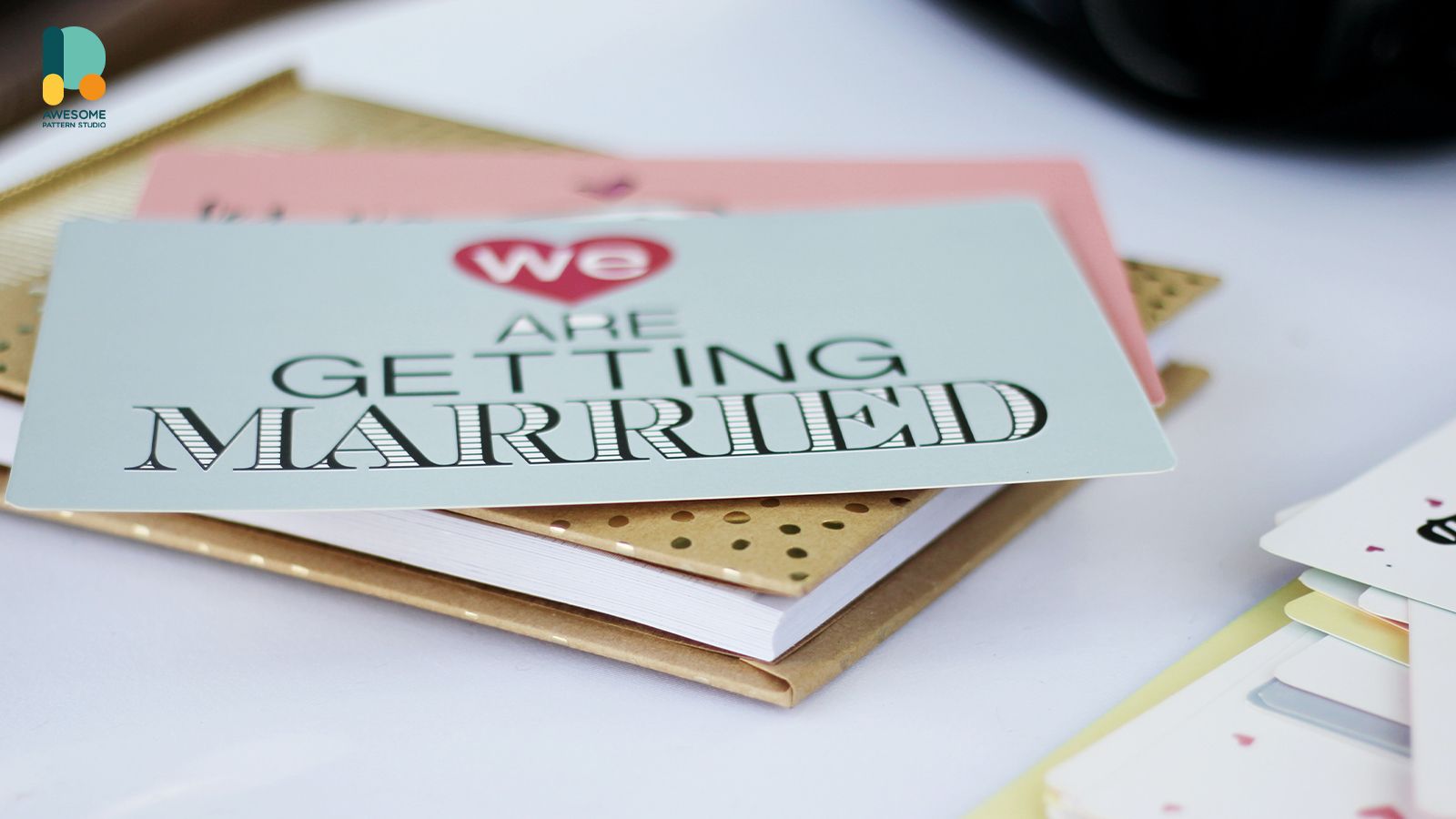
In this article, we'll explore the process of creating a handmade card, from brainstorming ideas to final touches.
Step 1: Gather Your Materials. Before you start creating your card, you'll need to gather all the necessary materials. This will depend on the design you have in mind, but some basic materials include:
- Cardstock or blank cards and envelopes
- Scissors
- Glue or double-sided tape
- Decorative paper or patterned scrapbook paper
- Stamps, ink pads, or markers
- Embellishments such as stickers, ribbons, or buttons
- Optional: a paper trimmer, punches, or a die-cutting machine
Step 2: Brainstorm Ideas. Once you have all your materials, it's time to start brainstorming ideas for your card. Think about who the card is for, the occasion, and any themes or colors that might be appropriate. You could also look for inspiration online or in magazines to help get your creative juices flowing.

Step 3: Plan Your Design. Once you have an idea in mind, it's helpful to sketch out your design on a piece of paper. This will help you visualize how your card will look and ensure that you have all the materials you need.
Step 4: Create the Card Base. Next, it's time to create the card base. You can either use blank cards and envelopes or cut a piece of cardstock to the desired size and fold it in half. If you're using a blank card, you can also decorate the front of the card with a piece of decorative paper or patterned scrapbook paper.
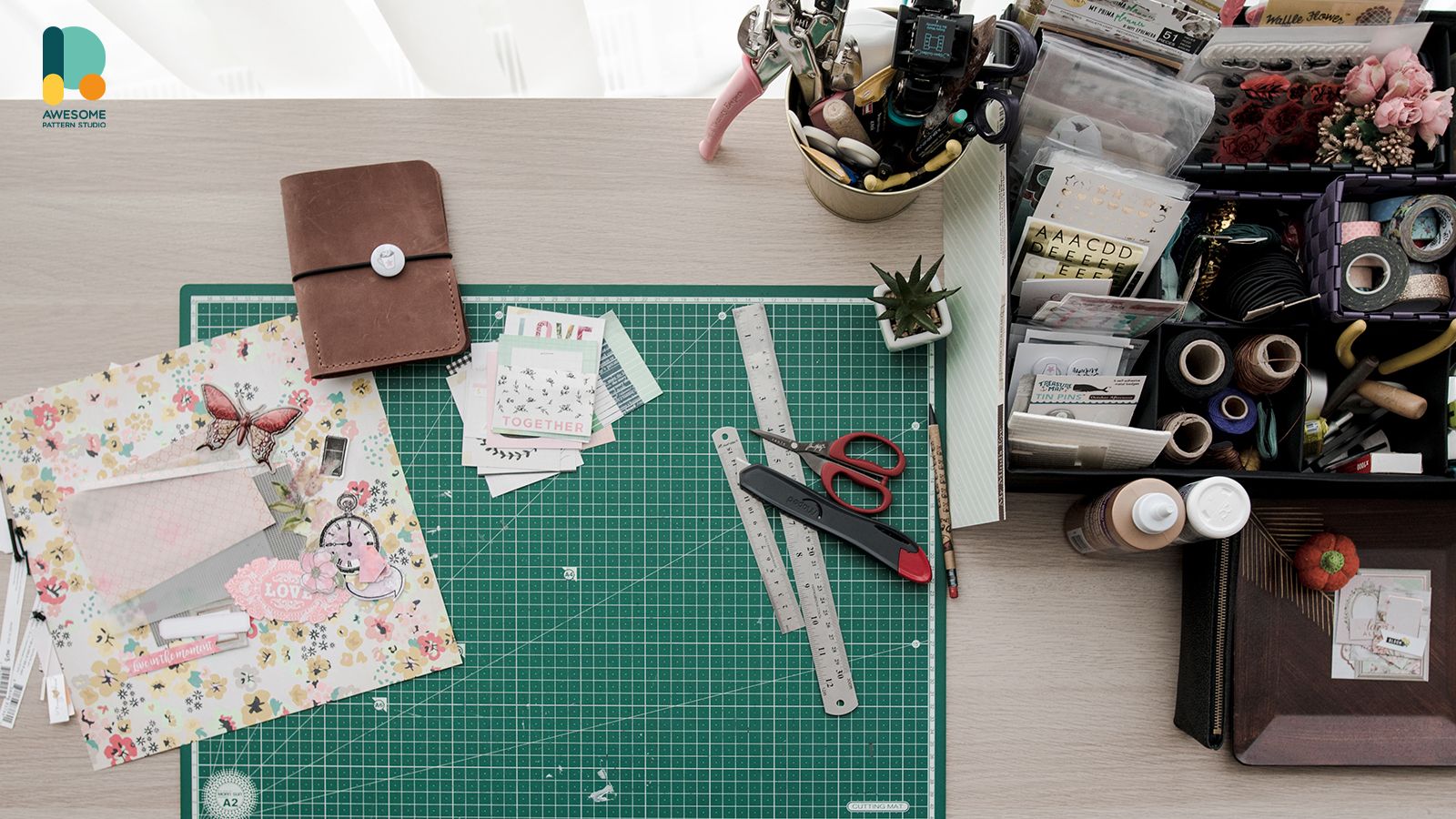
Step 5: Add Embellishments. Now it's time to add some embellishments to your card. This could include stickers, ribbons, buttons, or anything else that you think would add a personal touch. If you're using stamps or markers, now is the time to add any messages or designs to the card.
Step 6: Finishing Touches. Finally, it's time to add any finishing touches to your handmade card. This could include a handwritten message, a personalized note, or any other small details that will make your card special.
Step 7: Share Your Card. Now that your handmade card is complete, it's time to share it with someone special. Whether it's a birthday, anniversary, or just a way to say thank you, a handmade card is a thoughtful and meaningful way to show someone you care.
In conclusion, creating a handmade card is a fun and rewarding process that allows you to express your creativity and show someone you care. With a little bit of planning and some basic materials, you can create a unique and personalized card that will be cherished for years to come.
So the next time you're looking for a special way to show someone you care, consider creating a handmade card.