
You are in Wholesale Mode

WHAT ARE THE DIFFERENCES BETWEEN ROUND AND SQUARE DIAMOND DRILLS?

When it comes to diamond painting, enthusiasts often find themselves debating the merits of round versus square diamond drills. Understanding the nuances between these two types of drills is crucial for selecting the best option for your project. This comprehensive guide delves into the key differences, advantages, and considerations associated with round and square diamond drills.

WHAT ARE THE DIFFERENCES BETWEEN ROUND AND SQUARE DIAMOND DRILLS?

OVERVIEW OF DIAMOND DRILLS


Diamond painting, a craft that combines cross-stitch and paint-by-numbers, utilizes small resin diamonds to create intricate designs. These diamonds, referred to as "drills," come in two main shapes: round and square. Each type has unique characteristics that influence the overall appearance and crafting experience.


SHAPE AND SIZE


Round Diamond Drills. 
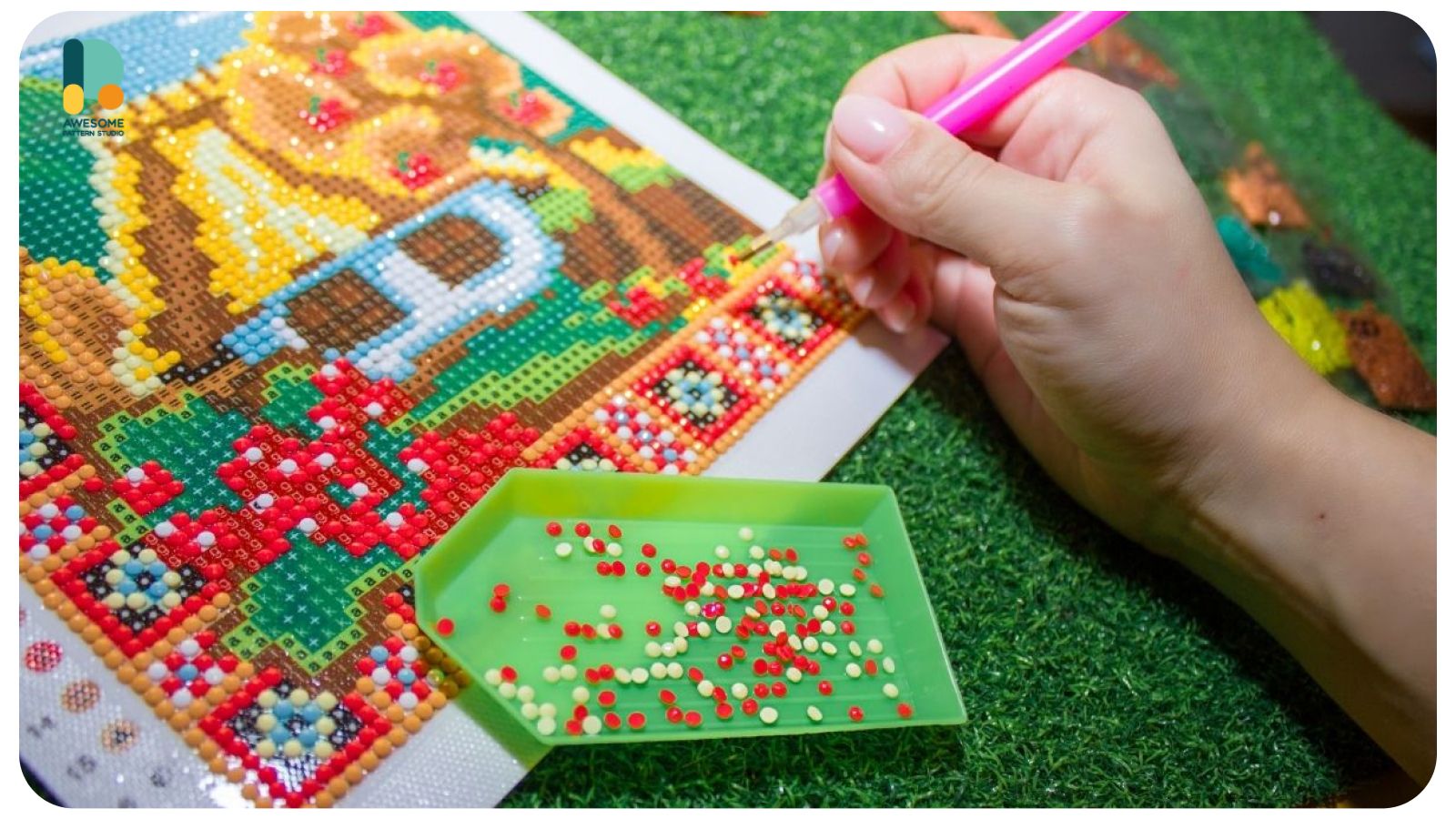
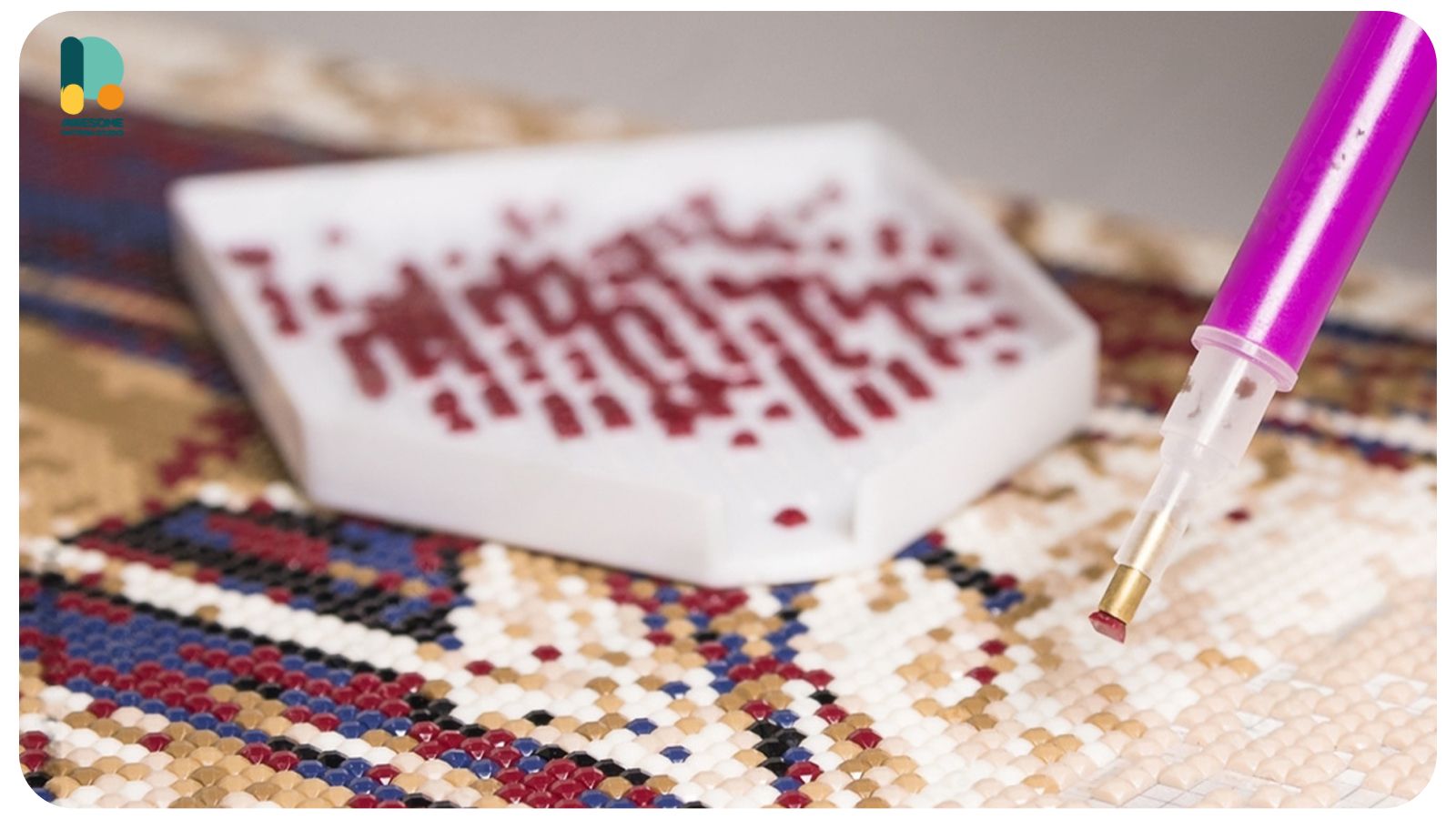
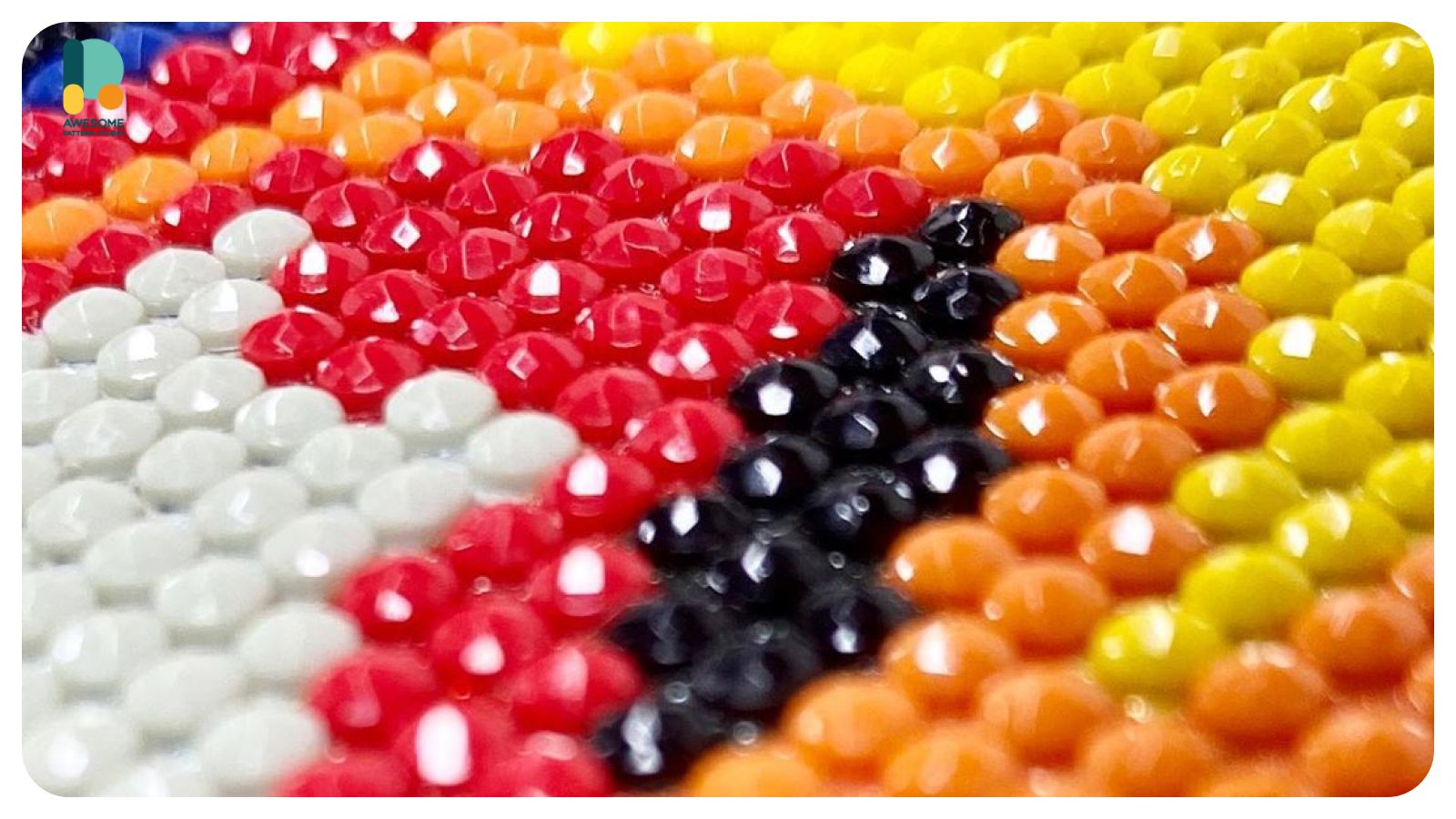
Round diamond drills are circular in shape and typically measure 2.8mm in diameter. Their rounded edges make them easier to handle, especially for beginners. When placed on the canvas, there are slight gaps between each drill, which can give a softer, more fluid look to the finished piece.


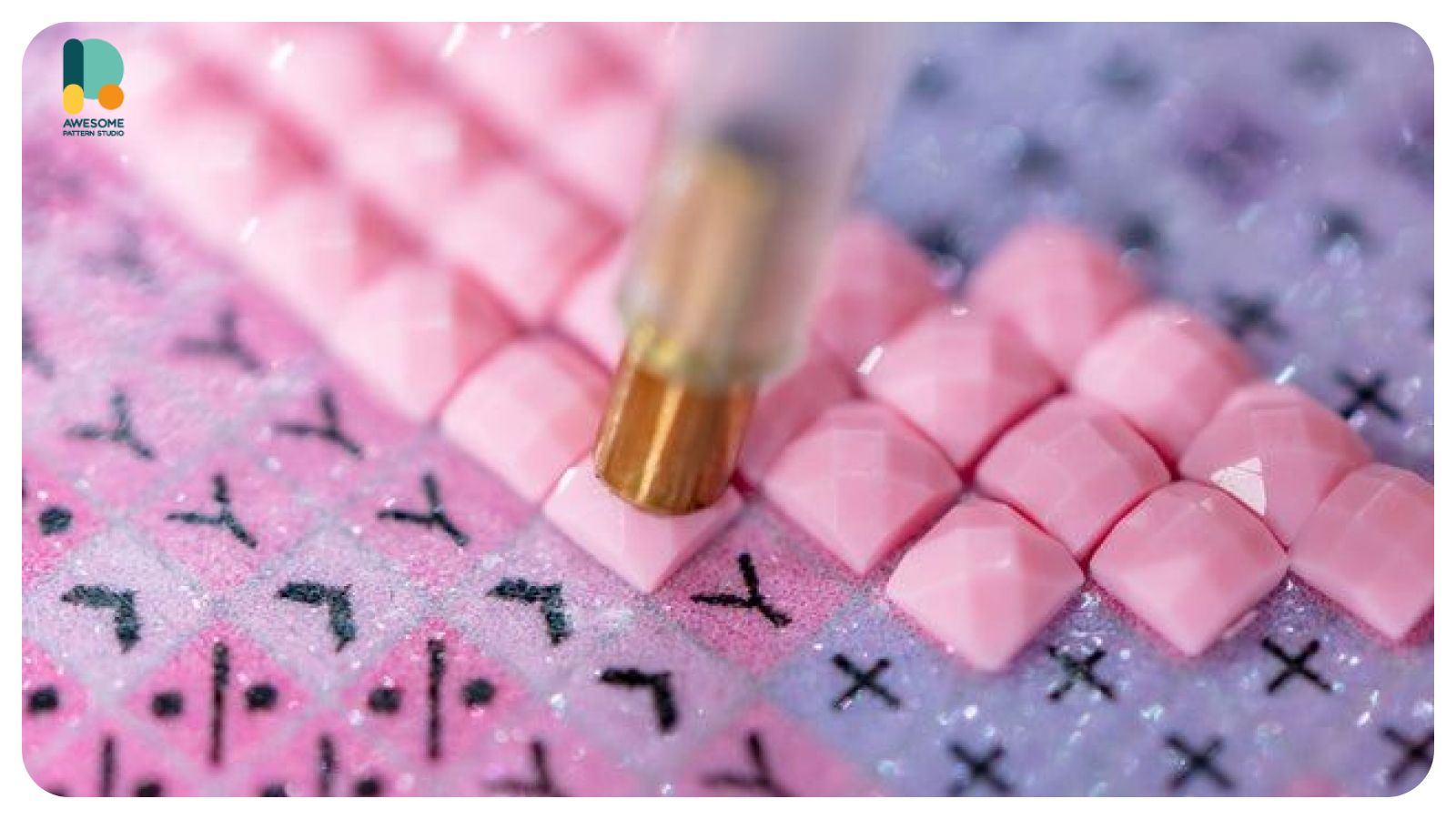
Square Diamond Drills. Square diamond drills, on the other hand, have straight edges and measure about 2.5mm. These drills fit closely together, leaving minimal gaps and creating a more uniform and polished appearance. The precise alignment required for square drills can be more challenging, but the end result is often more detailed and sharp.


EASE OF USE


Round Diamond Drills. 
Round drills are favored for their ease of application. Their shape allows for quicker placement on the canvas, and they do not require the same level of precision as square drills. This makes them ideal for large areas and backgrounds, where speed and efficiency are prioritized over intricate detail.


Square Diamond Drills. Square drills demand more precision during placement to ensure they align perfectly with the grid on the canvas. This can be more time-consuming and requires a steady hand, but the effort is rewarded with a highly detailed and cohesive final product. Enthusiasts who enjoy meticulous work and a challenge often prefer square drills for their projects.


VISUAL IMPACT


Round Diamond Drills. 
The slight gaps between round drills can result in a more textured and softer visual effect. This can be particularly appealing for certain types of artwork, such as those with gradients or softer color transitions. The finished piece may have a bit of sparkle due to the exposed canvas.


Square Diamond Drills. The seamless fit of square drills creates a solid, mosaic-like effect that enhances the clarity and detail of the image. The uniform surface reflects light evenly, resulting in a brilliant shine. This makes square drills a popular choice for detailed and high-resolution designs.


APPLICATION AND TECHNIQUE


Round Diamond Drills. 
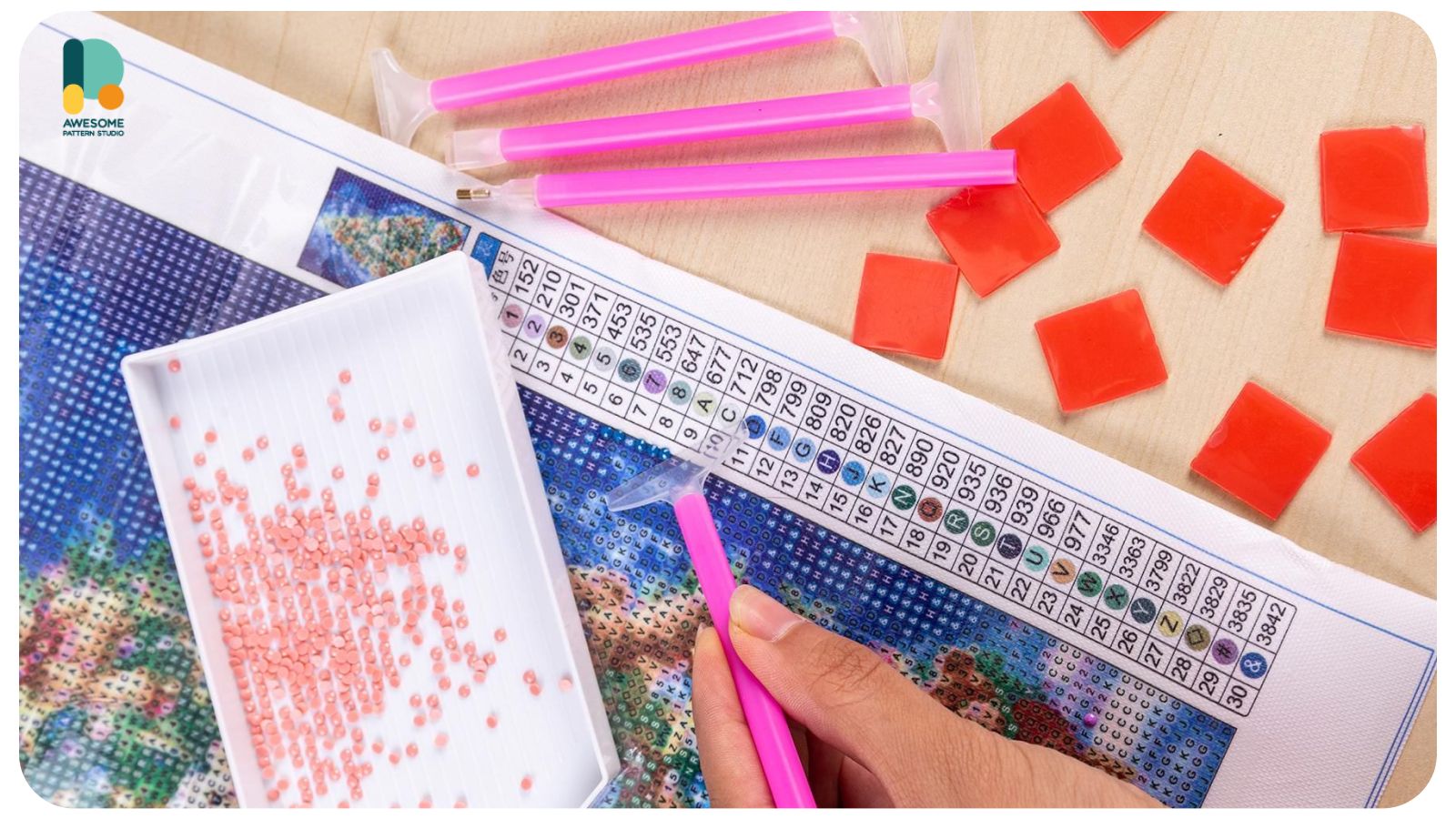
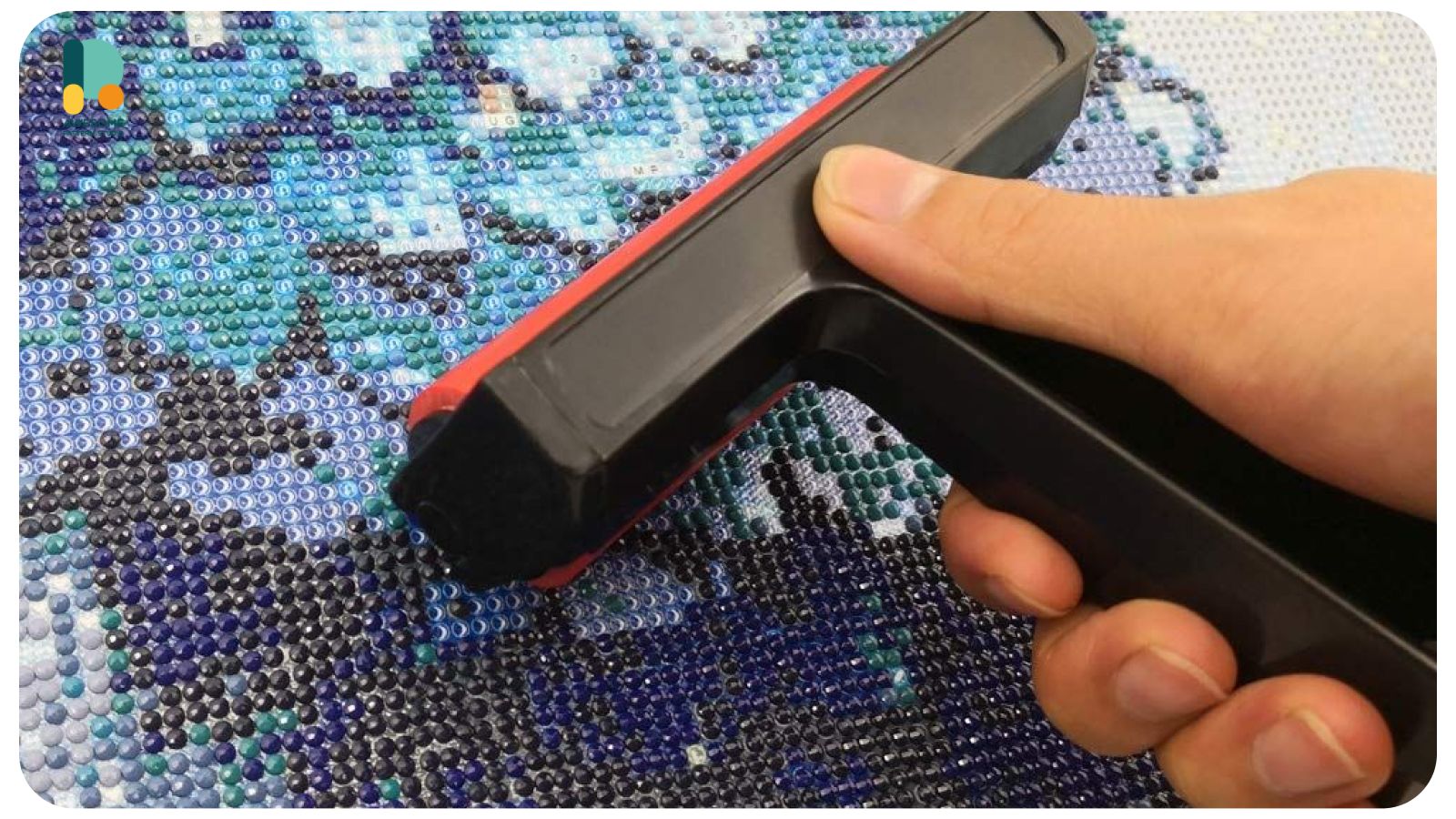
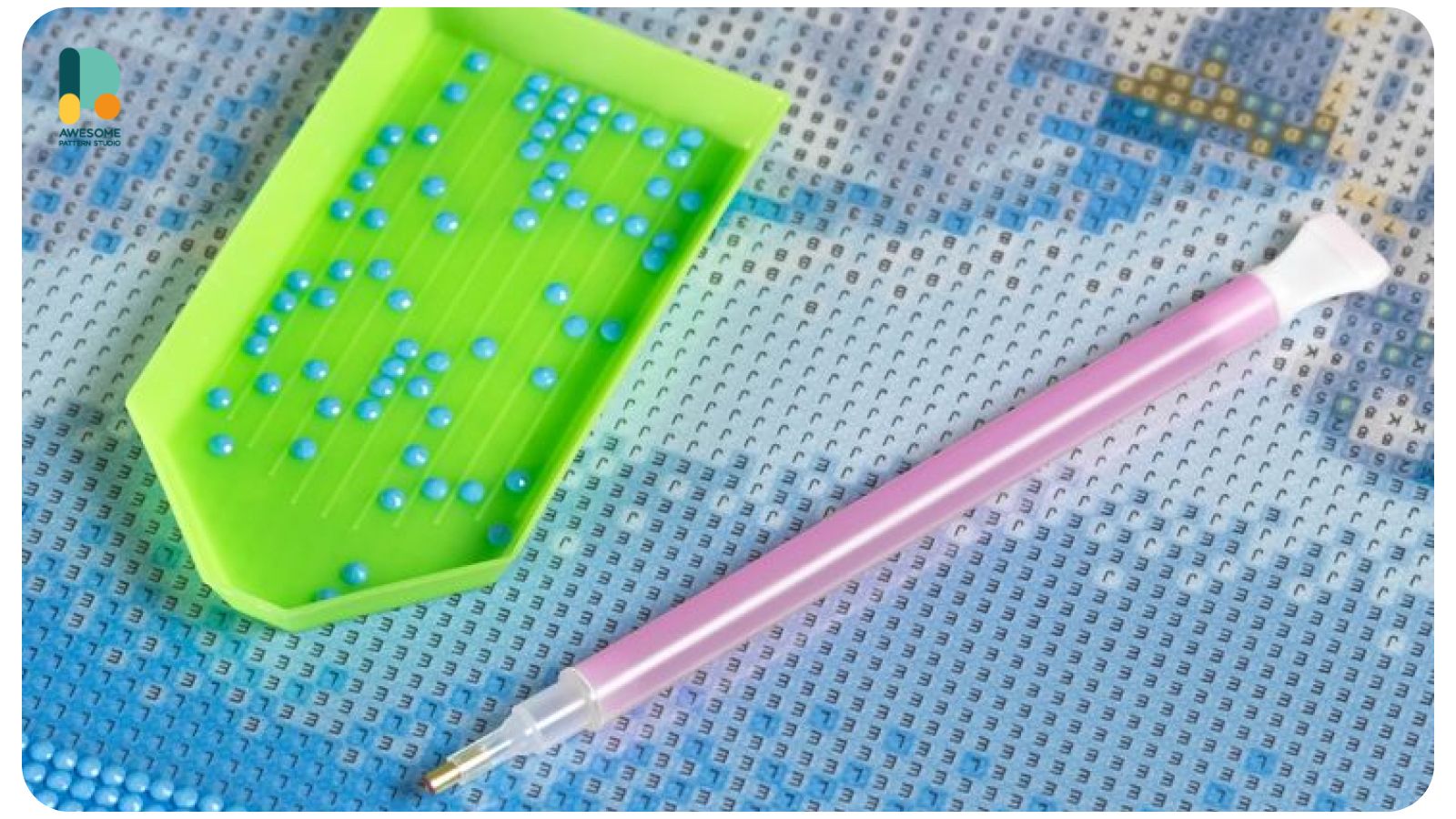
The application of round drills is generally faster and less demanding in terms of technique. Many crafters use a multi-placer tool to apply several round drills at once, speeding up the process. This makes round drills suitable for both beginners and those who enjoy a faster-paced project.


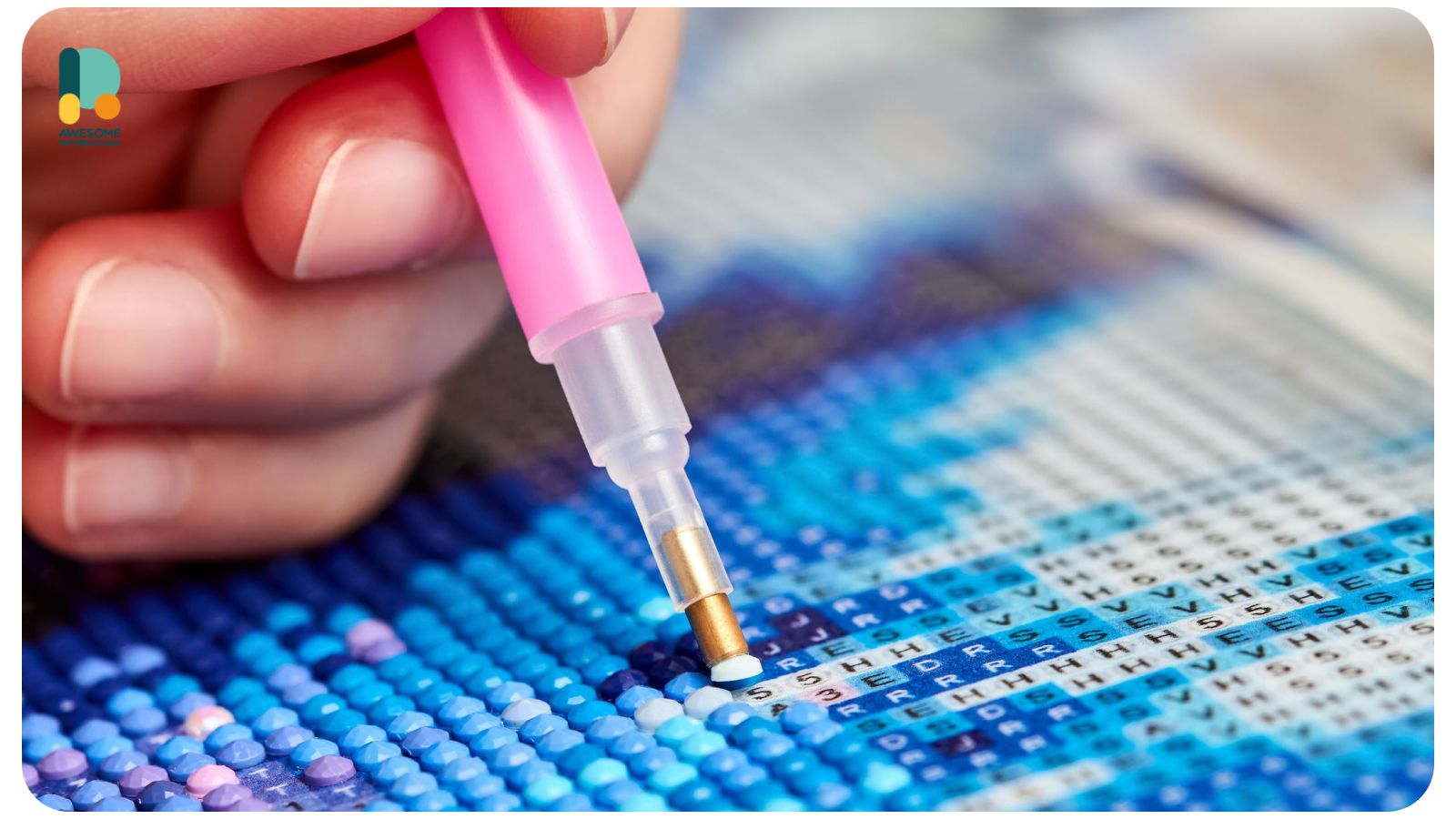
Square Diamond Drills. Applying square drills requires a more methodical approach, as each drill must be perfectly aligned with the others. Many experienced crafters use tweezers or single-placer tools to ensure precision. While this can be time-consuming, the technique results in a highly polished and professional-looking piece.


DURABILITY AND LONGEVITY


Round Diamond Drills. 
Round drills, due to their shape, may have a slightly lower adhesion to the canvas compared to square drills. However, they still provide a durable and long-lasting finish if applied correctly. The minor gaps do not significantly affect the overall durability of the artwork.


Square Diamond Drills. Square drills offer excellent adhesion due to their precise fit and straight edges. The lack of gaps ensures that the drills stay securely in place, making the finished piece more robust and less prone to losing drills over time. This durability makes square drills a preferred choice for pieces that will be displayed or handled frequently.


AESTHETIC PREFERENCE


Round Diamond Drills. 
The aesthetic appeal of round drills lies in their soft, slightly textured finish. This can add a unique visual interest and depth to certain types of artwork. The exposed areas of the canvas can create a subtle sparkle, enhancing the overall appearance of the piece.


Square Diamond Drills. Square drills offer a clean, highly detailed aesthetic. The solid, gap-free finish provides a professional and polished look that showcases the precision and effort invested in the project. For those who value sharpness and clarity in their artwork, square drills are often the preferred choice.


COST AND AVAILABILITY


Round Diamond Drills. 
Round drills are widely available and generally less expensive than square drills. Their popularity among beginners and casual crafters means they are readily stocked by most diamond painting suppliers. This accessibility makes them a practical option for many crafters.


Square Diamond Drills. Square drills, while slightly more expensive, are also widely available. Their higher cost is often justified by the detailed and professional finish they provide. Many advanced crafters are willing to invest in square drills for the superior quality of the final product.


IN CONCLUSION, the choice between round and square diamond drills depends largely on personal preference and the specific requirements of the project. Round diamond drills offer ease of use, speed, and a softer visual effect, making them ideal for beginners and larger areas.


Square diamond drills, while more challenging to apply, provide a highly detailed, polished finish with superior durability, appealing to experienced crafters and those working on intricate designs.


Both types of drills have their unique advantages and can produce stunning results. Understanding these differences allows crafters to make an informed decision, ensuring their diamond painting projects are both enjoyable and visually striking.